
The Story
Why it exists.
The beginning
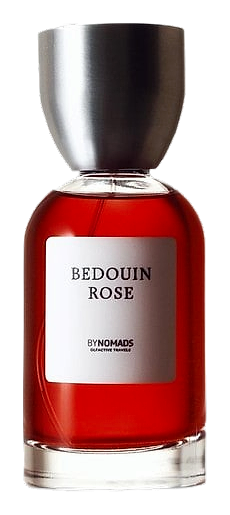
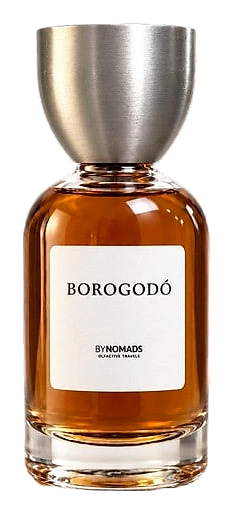
Borogodó arrived in 2026 under the creative direction of BYNOMADS co-founders Mehdi Achek and Milena Kroeff, whose perfume house turns culture, raw materials and personal identity into scent stories. This composition draws its inspiration from the Brazilian forest, with dense greenery, roots and vines shaping its central idea. The formula pairs that green, tropical reference with citrus brightness, rose, iris, pink pepper and priprioca. Cacao, tonka bean, resin and vetiver add darker notes, giving Borogodó the split character of fresh canopy above and damp earth below.
What makes Borogodó interesting is the balance between vivid fruit and grounded woods. Bergamot and orange bring light into the composition, while cinnamon adds warmth without turning the citrus into simple marmalade. Rose and iris soften the middle, but priprioca and cupuaçu keep it tied to the Brazilian material reference. At the base, cacao and tonka bean create a rounded gourmand warmth, then cedar, vetiver, ambergris and resinous notes pull it back toward bark, earth and something almost mineral. Sweet, green and woody, all at once.
The evolution
The opening starts on brisk citrus and orange, with cinnamon sliding in as a warm spice rather than a blunt sweet accent. That first brightness gives way to a floral-fruity heart: rose and iris add polish, pink pepper raises the voltage, and priprioca and cupuaçu bring green, tropical weight. As the composition develops, it turns darker and more tactile. Cacao and tonka bean make the center feel rounded and edible, while vetiver and cedar introduce dry earth and wood. Resinous notes and ambergris remain as an ambered trace, leaving a close, woody finish that feels more like warm forest soil than a generic sweet base. The scent settles into a woody gourmand trail, with its citrus brightness, floral heart and deeper woody notes shifting gradually into a textured drydown.
Cultural impact
Borogodó fits BYNOMADS' founder-led approach to perfumery as cultural storytelling. Its Brazilian forest reference gives the house's identity a South American register, while the name and composition connect that specificity to the brand's wider dialogue between place, material and personal identity.