Cupuacu
Cupuacu butter rises from the Amazon's largest rainforest fruit, carrying a sweet, cocoa-like aroma with hints of tropical florals and soft nuttiness that linger on skin.
Character
How it smells
Amazonian butter with a chocolate-honey soul
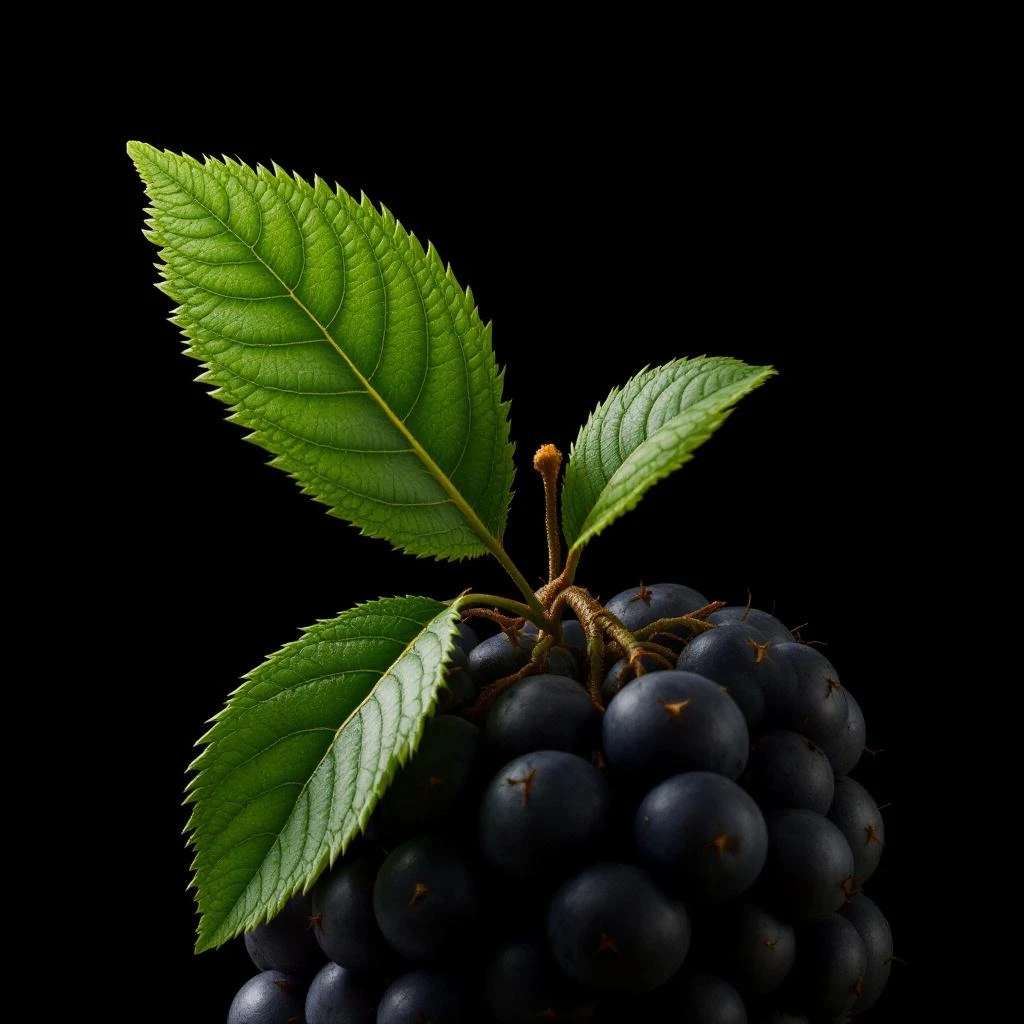
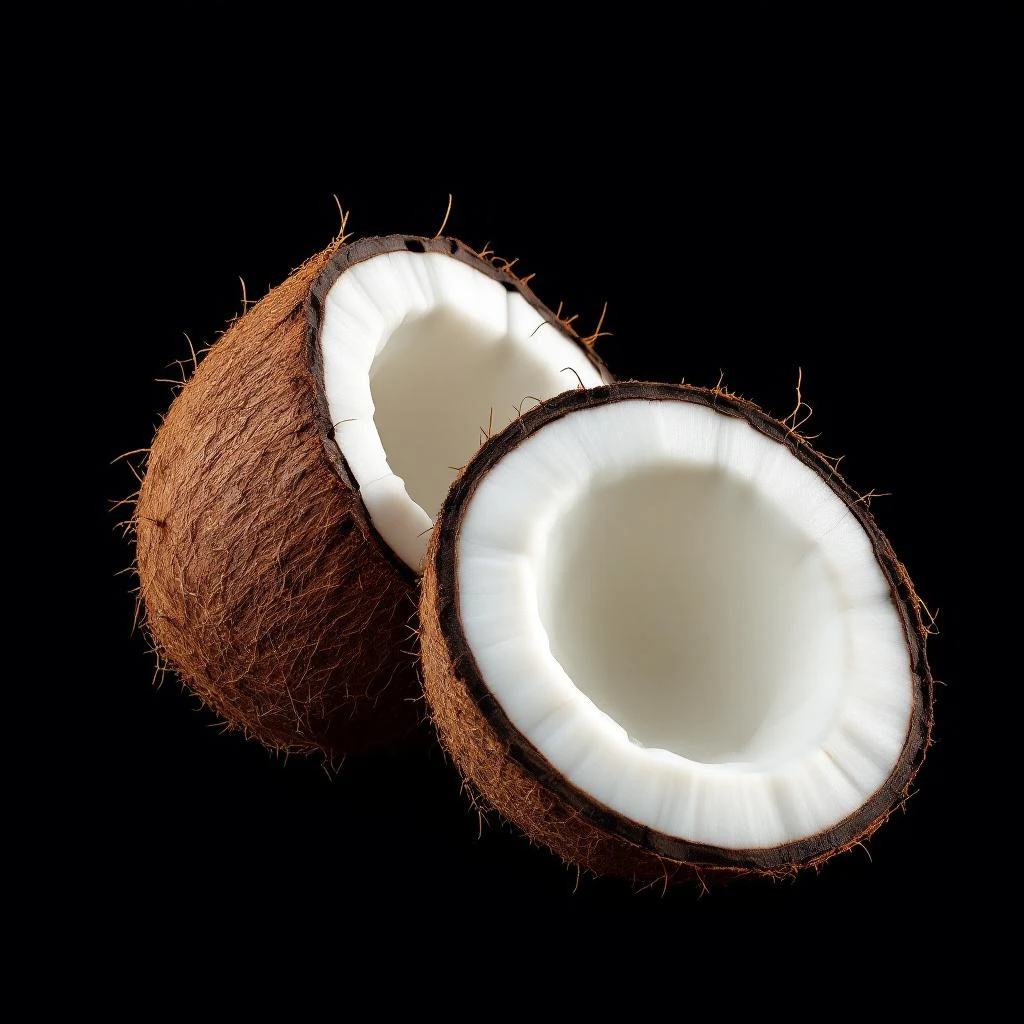
Cupuacu trees can reach 20 meters tall, and a single fruit can weigh up to 2 kilograms, making it one of the largest fruits in the Brazilian rainforest.



Origin
Brazil
Indigenous communities across the Amazon have harvested cupuacu for over a thousand years, long before any perfumery industry existed. The Tikuna, Kayapó, and other groups along the Tocantins and Amazon rivers gathered the wild fruit for food, medicine, and ceremonial body paints, pressing the seeds into a rich skin salve.
Portuguese colonists documented the fruit in the early 18th century, noting its size and unusual floral aroma, but it remained a regional curiosity until Brazilian agricultural research expanded in the 1970s. Cultivation began in Pará state, where cupuacu emerged as a flagship non-timber forest product.
Fragrance houses began experimenting with cupuacu butter in the early 2000s, drawn by its sustainable Amazonian sourcing and its ability to anchor gourmand and tropical floral compositions. Today, cooperative farming projects in the Tapajós and Xingu basins supply much of the world's cupuacu butter, linking perfumery ingredients directly to rainforest conservation economies.
Wears it best
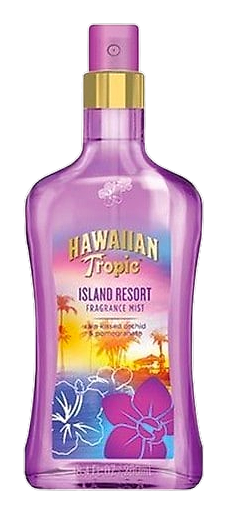
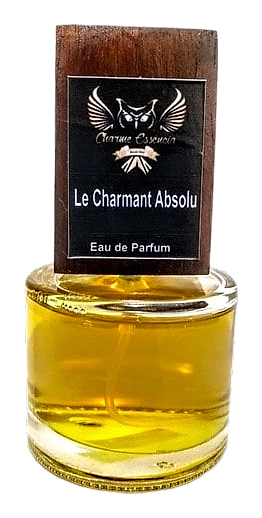
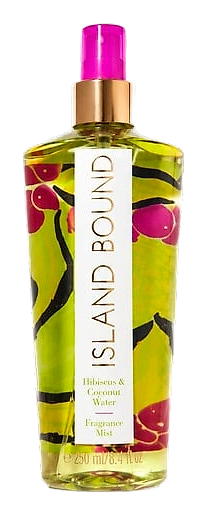
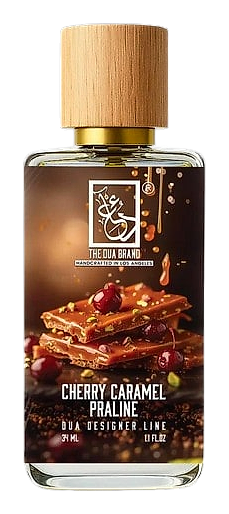
Fragrances featuring Cupuacu

Brands
Brands known for Cupuacu
Good to know
Questions, answered
The essentials on Cupuacu in perfumery: how it smells, where it comes from, and how it behaves on skin.
What does cupuacu smell like in perfume?
Cupuacu carries a soft, sweet aroma with cocoa-like warmth, creamy nuttiness, and faint tropical floral undertones. It blends smoothly with vanilla, sandalwood, and white florals, often serving as a gourmand base note rather than a dominant scent.
Is cupuacu a natural or synthetic fragrance ingredient?
Cupuacu butter is a natural ingredient, cold-pressed from the seeds of the Amazonian Theobroma grandiflorum tree. No synthetic equivalent fully replicates its specific fatty acid profile, though aroma chemists have studied individual aromatic molecules isolated from it.
Where does cupuacu come from?
Cupuacu grows wild and cultivated throughout the Brazilian Amazon Basin, particularly in Pará state. The region around Santarém and the Tapajós River basin remains the primary production zone, where cooperative farms supply most global harvesters.
What is cupuacu butter used for in fragrance?
Cupuacu butter functions as both a scent contributor and a carrier medium in solid perfumes and balms. Its skin-feel properties help distribute fragrance oils evenly, while its subtle sweet aroma supports gourmand and tropical compositions without overpowering them.
How is cupuacu butter extracted for perfumery?
Producers cold-press dried cupuacu seeds to extract the butter without heat damage. The process yields a pale solid fat that retains its delicate aromatic compounds, which perfumers prefer over solvent-extracted alternatives for scent fidelity.
Is cupuacu related to cacao?
Yes, cupuacu belongs to the same Theobroma genus as cacao. Both trees produce large pods with fermented seeds, though cupuacu is significantly larger and more aromatic, with a fruitier, less bitter profile.
Why is cupuacu considered sustainable?
Cupuacu grows as part of agroforestry systems in the Amazon, providing income that discourages deforestation. Harvesting requires intact rainforest, making it a model non-timber forest product linked directly to conservation economics.
Does cupuacu contain allergens?
Cupuacu butter itself shows low allergenic potential, containing no listed fragrance allergens under current EU regulation in significant concentrations. Its theobromine content is far lower than cacao, reducing sensitivity risks for most users.