The Story
Why it exists.
The beginning
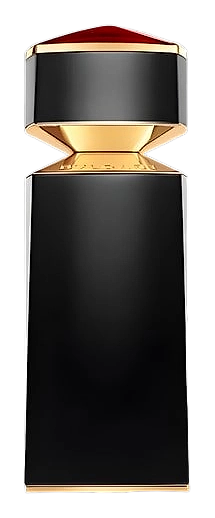
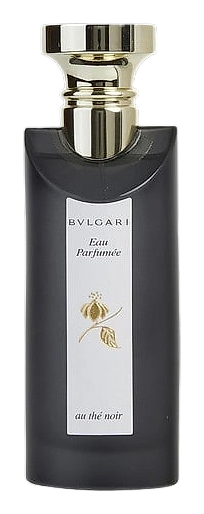
The Eau Parfumée collection began as Bvlgari's answer to something every perfumer dreams of: an ingredient so common it disappears. Tea. The kind you drink without thinking, everywhere, every day. In 2015, Jacques Cavallier-Belletrud reached for black tea, the fully oxidized kind, dark and mineral, with an edge of smoke that other perfumers avoid because it's difficult, temperamental, and doesn't cooperate with florals. He made it cooperate. The result is an oriental that smells expensive without trying. Noir completes the collection alongside Vert, Blanc, Rouge, and Bleu. Each fragrance a different tea, a different mood. This one is the evening argument you win without raising your voice.
The composition uses black tea not as an accent but as a foundation, the thing everything else rests on. Rose absolute and bergamot open the conversation, but they're asked to stay quiet. The real story is what happens when the tea takes over, when the bergamot fades and the mineral-smoky character of oxidized leaves becomes the main event. Oud appears here not as a statement but as a whisper, present, warm, with a slight animalic edge that experienced wearers recognize as quality rather than excess. The leather accord that develops mid-wear doesn't smell new; it smells like something that's been worn well.
The evolution
The opening is bright. Rose absolute and bergamot create something almost too polished, like seeing a person across a crowded room through glass. The oud hasn't arrived yet. It's waiting, patient, knowing it doesn't need to compete with bergamot's citrus brightness. Then the tea happens. Not green tea, not white tea, the black kind, the oxidized kind, mineral and smoky and quietly demanding. The bergamot recedes. The rose softens. The composition shifts from floral to something with more weight, more mineral. Within an hour, leather appears. Not polished leather, not new leather, leather that's been worn, leather with history. The magnolia doesn't announce itself; it softens everything around it, keeps the leather from becoming harsh. The oud is now unmistakable. Warm, dark, with that slight edge some people call skanky and others call the best part. The drydown is oud and patchouli, with tea still detectable underneath, tea that refuses to leave, that stays close to the skin long after the other notes have settled.
Cultural impact
The tea note in Thé Noir is distinctive, not the green or white varieties common in fragrance, but the fully oxidized black kind with mineral and smoky qualities that can become something refined and complex. What makes this fragrance notable is how the oud behaves: present but not aggressive, refined rather than loud, the kind of quality typically reserved for much higher price points. The leather and tobacco accords give it an evening character, but the tea keeps it from becoming heavy. It's the kind of fragrance that works in professional settings without being invisible, reserved enough for the office, interesting enough to reward closer attention.