
The Story
Why it exists.
The beginning
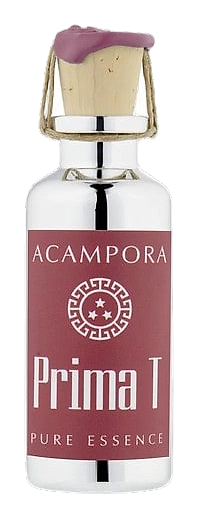
Giovanni Varon created Prima T in 1977 with a clear intention: a fragrance that wouldn't just be worn but performed. The name itself, T for the Italian title, Prima suggesting something primary, foundational, signals ambition. The brief was regal but grounded: something wearable that could hold a room, a floral composition that announced rather than whispered. The official copy from the era frames it plainly: "A royal essence, to be worn like a tiara studded with gems. Brightly colored flowers gathered in a luxurious bouquet that arouses the most forbidden of feelings: envy." That's not subtle language. Varon understood that in 1977, women's fragrance was allowed to want things, to be seen, to be remembered, to make someone slightly envious of the person wearing it. The chypre structure, that architectural Italian framework of bergamot, labdanum, and oakmoss, gave Varon the scaffolding.
Varon worked with natural floral absolutes, and the narcissus is the tell. This flower smells green and fresh, yes, but also slightly feral, that oily, compacted quality that makes it read as alive rather than constructed. Combine that with galbanum's bitter-green cut and you have an opening that announces itself before you've finished spraying. The heart builds from there: jasmine's indolic richness, rose's opulent depth, lily of the valley's dewy green counterpoint. Mandarin adds a flash of brightness that keeps the florals from becoming heavy. But it's the base that holds everything, amber's warm resinous anchor, Penang patchouli's camphorated earth, and a clean musk that reads as skin rather than detergent.
The evolution
The opening hits bright and immediate. Galbanum's green bite cuts first, like snapping a fresh stem, before the narcissus arrives with its strange dual nature: pollen dust and fertile honk, green florals that smell alive. Violet weaves through, softening the edges with its powdery sweetness. Twenty minutes in, the heart takes over. Jasmine rises, creamy and indolic, followed by rose's opulent depth. The lily of the valley keeps things fresh, almost dewy, while mandarin flashes briefly like light through stained glass. The musk begins to hum underneath, warm and clean, beginning its long residency. By the third hour, the florals have shifted but not disappeared. They're less a storm now and more a held position. Amber builds, smooth and resinous. The patchouli adds earth, a faint camphor, something medicinal and grounding. The musk tightens its grip, intimate and close. The fifth hour is musk and amber, skin-warm and persistent. The next morning: a ghost on fabric. Barely there unless you lean in. That's when you realize it outlasted the night.
Cultural impact
Prima T belongs to a generation of Italian women's fragrances that weren't afraid to assert themselves. The 1970s was a decade when a floral chypre could ambition to make someone envious, when presence was a feature, not a flaw. For the wearer who wants that kind of commitment from their fragrance, Prima T still delivers.