
The Story
Why it exists.
The beginning
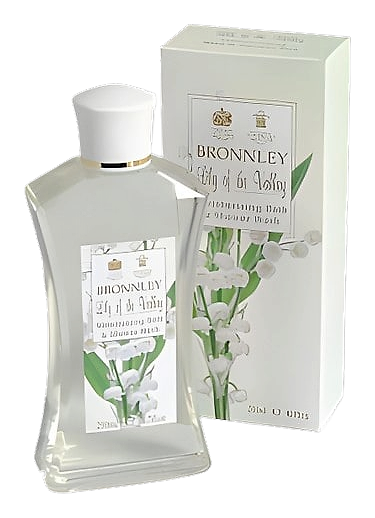
Lily of the Valley by Bronnley takes its name and its soul from one of England's beloved spring flowers, the muguet, whose small white bells have scented hedgerows and cottage gardens for generations. The fragrance was developed as part of Bronnley's classic collection, an homage to the flora that has long shaped the English landscape. Rather than imposing a contemporary vision onto lily of the valley, Bronnley focused on capturing its essential qualities: the crisp, dewy freshness of the stems, the delicate sweetness of the blossoms, and the subtle way the scent drifts and shifts in the air. The result is a composition that honors the flower's natural grace rather than amplifying it for spectacle.
What makes this interpretation notable is its restraint. Lily of the valley presents as a delicate note, heady without being heavy, green without being grassy. The green notes at the opening provide that cut-stem immediacy, the sensation of holding a handful of fresh growth. The heart layers freesia, jasmine, and the lily of the valley itself into something that reads as garden rather than perfume, an intimate floral mist rather than a fragrance counter display. The white musk base keeps everything close to the skin, offering presence without projection.
The evolution
The opening arrives green and immediate, not citrus-bright but vegetable-fresh, the smell of stems broken at the base. Within minutes the lily of the valley emerges, sweet and clean, with freesia adding a translucent floral layer that keeps things airy. The jasmine arrives quietly around the twenty-minute mark, lending warmth without heaviness, a gentle presence that supports the composition. By the second hour, the composition has settled into something skin-close, a whisper of white musk and precious woods. What surprises is the coherence: no single phase fights for attention. It all moves together like weather passing, each element taking its turn before yielding to the next.
Cultural impact
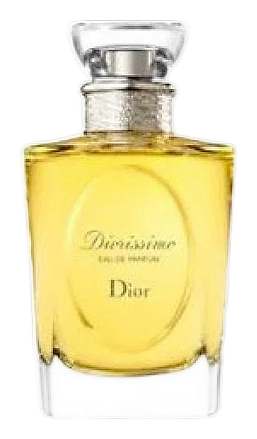
Lily of the Valley occupies a specific niche in the landscape of floral fragrances: the authentic interpretation, as opposed to the commercial one. The enthusiast review that compared it favorably to Diorissimo speaks to its quality, it is regarded as the real thing, or close enough that it satisfies where others have fallen short. Within Bronnley's range, it represents the house's commitment to traditional British scent profiles: green, floral, and refined. Those who seek it out tend to appreciate the nuanced approach to botanical fragrance, finding in it a counterpoint to sweeter, more synthetic alternatives on the market.