
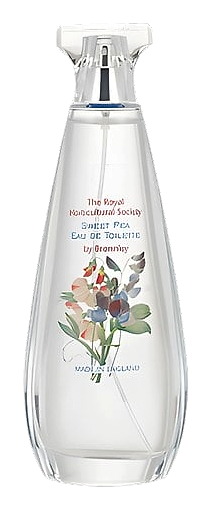
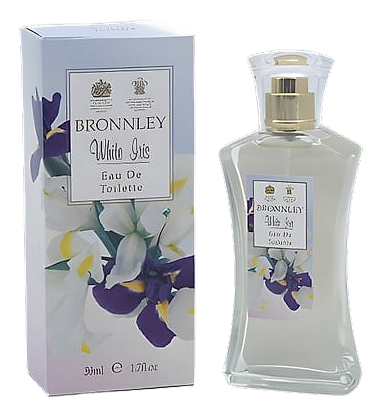
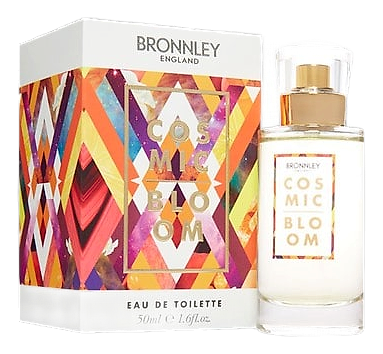
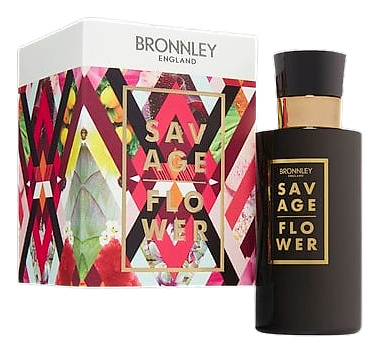
The Heritage
The Story of Bronnley
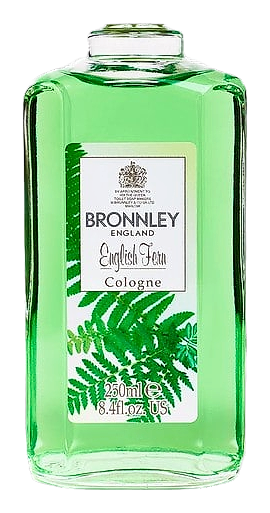
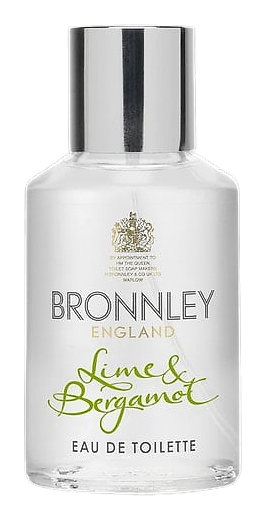
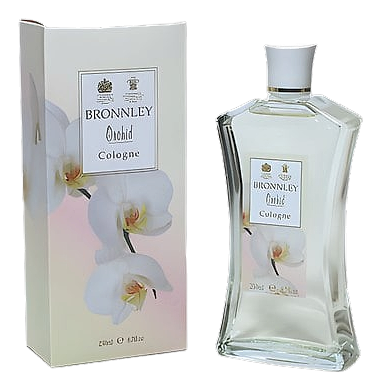
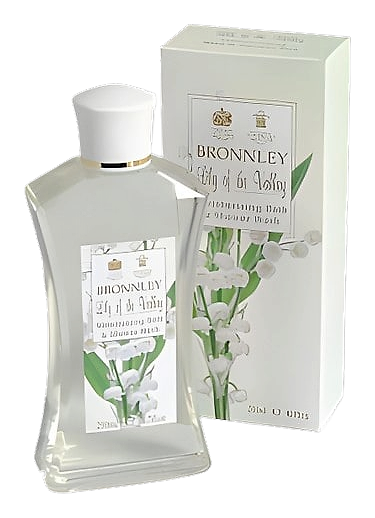
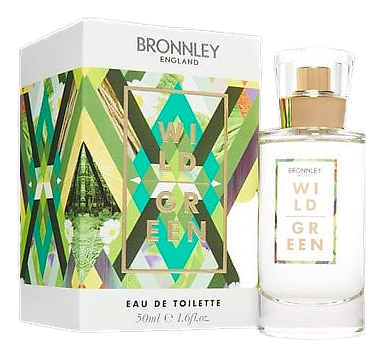
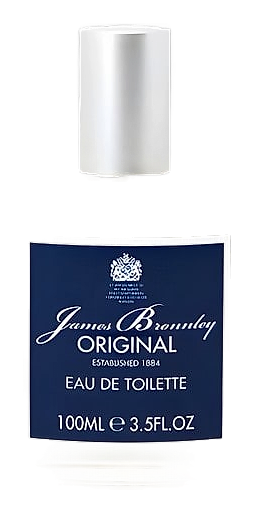
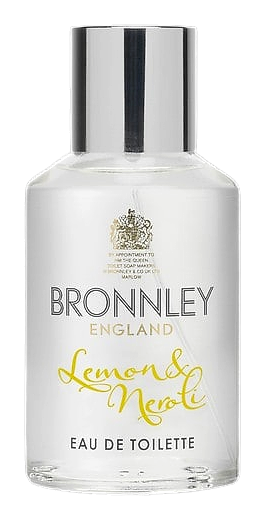
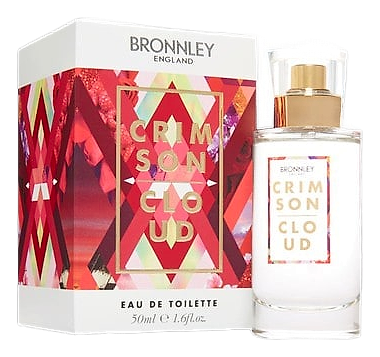
Bronnley is a British fragrance house that has been creating scented gifts for more than a century. Founded in 1884, the company began as a small workshop in London and grew into a family‑run operation known for its elegant eau de toilette, scented candles and body care. Its portfolio includes classics such as English Fern and newer releases like Azure Bliss, each designed to sit comfortably on a vanity or a gift box. The brand balances a respect for traditional British scent palettes with a willingness to experiment in modest, well‑measured steps, offering a quiet confidence that appeals to collectors and casual users alike.
Heritage
James Bronnley opened his first shop in 1884 on London’s Oxford Street, offering bespoke perfume blends to a clientele that valued discretion and quality. Four years later, in 1904, he moved production to a purpose‑built factory in Acton, a neighbourhood that supplied the city with a steady stream of scented soaps, candles and colognes. The business stayed within the family when James’ daughter, Gladys Rossiter, inherited the company in the 1920s. Gladys expanded the range to include seasonal gift sets and introduced a modest advertising campaign that highlighted the brand’s British roots. Her daughter, Ann Rossiter, took the helm in the 1960s, steering Bronnley through a period of cultural change while preserving the original formulas that had earned the brand its reputation. In 2015 the house launched a limited edition line that revisited the 1987 Camelia scent, demonstrating a willingness to look back as it moved forward. By 2025 Bronnley celebrated 140 years of continuous operation, marking the milestone with a series of archival letters that traced the evolution of its packaging, scent profiles and market positioning. Throughout its history the company has remained privately owned, allowing it to make long‑term decisions about sourcing, design and distribution without the pressure of public shareholders.
Craftsmanship
Production at Bronnley begins with a careful selection of raw materials. Natural essential oils are purchased from certified farms in France, Italy and the Mediterranean, while synthetic aroma chemicals are used only when they provide a stability that natural extracts cannot achieve. The ingredients are blended in small batches in the Acton facility, a practice that allows the master perfumer to monitor each stage of development. After blending, the mixture undergoes a maturation period of several weeks, during which the scent evolves and any inconsistencies are corrected. Quality control includes both laboratory analysis and sensory evaluation by a panel of trained noses. Bottles are hand‑filled, sealed with a screw‑top that was introduced in the 1930s to preserve freshness, and then packaged in boxes that feature recycled paper and a foil stamp of the Bronnley crest. The company also runs a limited‑run refill service for its most popular fragrances, reducing the need for new glass production. Throughout the process, traceability is recorded, ensuring that each batch can be linked back to its source ingredients, a practice that supports both consumer confidence and regulatory compliance.
Design Language
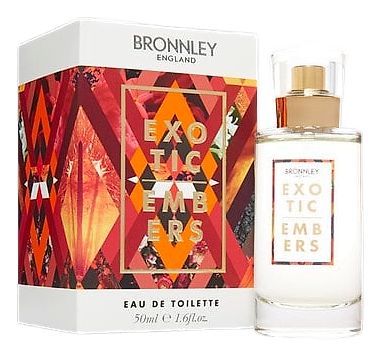
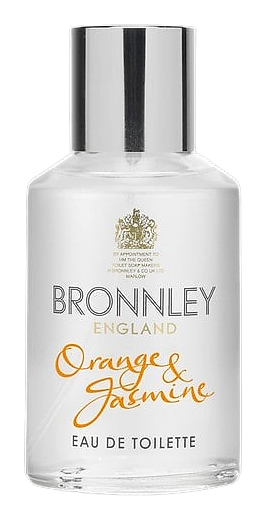
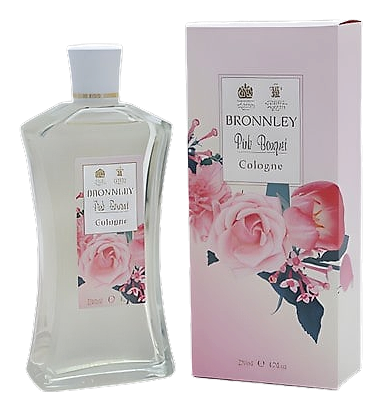
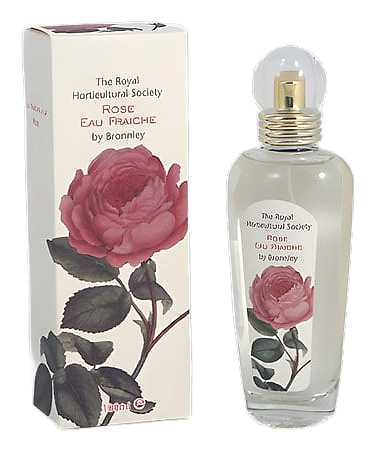
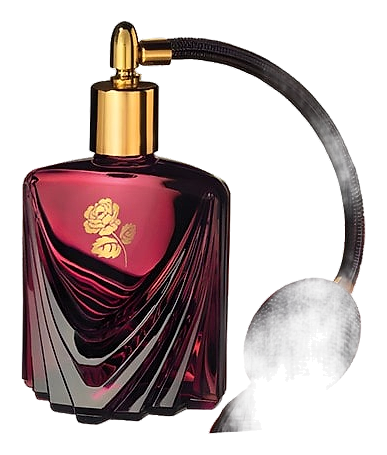
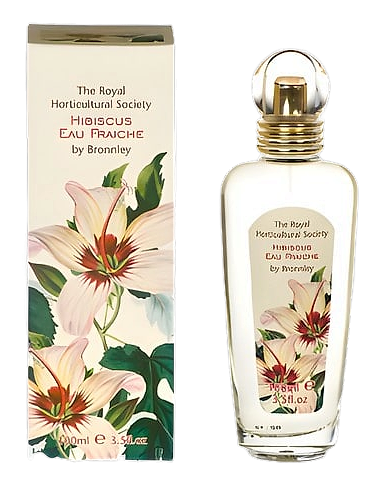
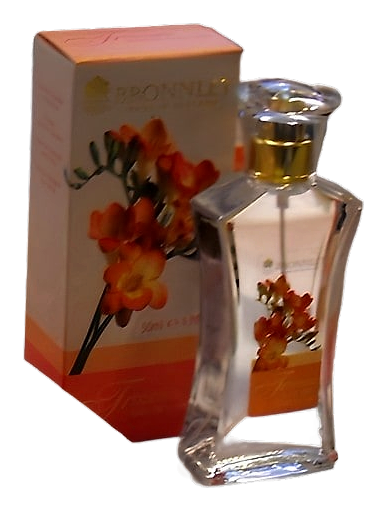
Visually, Bronnley leans on a restrained palette of deep navy, muted gold and crisp white, colors that echo the brand’s British heritage. Bottle shapes are simple cylinders with a slightly tapered shoulder, a silhouette that has remained largely unchanged since the early 20th century. The label features a stylised version of the family crest, rendered in a thin line that conveys both tradition and modernity. Packaging often incorporates textured paper that feels substantial in the hand, while gift boxes include a satin ribbon in a tone that matches the fragrance’s key note – for example, a soft green ribbon for English Fern. Seasonal releases may add a subtle pattern inspired by British garden motifs, but the overall visual language stays consistent, reinforcing the idea that Bronnley products belong on a polished dressing table as well as on a holiday gift shelf. The brand’s advertising, when it appears in print, favours black‑and‑white photography of classic interiors, allowing the scent itself to become the focal point rather than a flashy visual gimmick.
Philosophy
Bronnley’s creative vision rests on a belief that fragrance should be both personal and shareable. The house describes its approach as a dialogue between the wearer and the scent, where each note is chosen to complement everyday moments rather than dominate them. Sustainability features in the brand’s values; ingredients are sourced from growers who meet recognised environmental standards, and waste is minimised through refillable packaging where possible. The company also places a strong emphasis on gifting culture, designing each product with a presentation that encourages giving. Rather than chasing fleeting trends, Bronnley prefers to develop scents that reference classic British gardens, coastal breezes and historic interiors, allowing a sense of place to emerge in each bottle. Collaboration with external perfumers is selective, focusing on artisans who share an appreciation for balance, restraint and the subtle interplay of natural extracts.
Key Milestones
1884
James Bronnley opens his first perfume shop on Oxford Street, London.
1904
Construction of the first dedicated Bronnley factory in Acton, establishing large‑scale production.
1920s
Gladys Rossiter inherits the company and expands the product line to include scented candles and gift sets.
1960s
Ann Rossiter becomes head of the house, modernising operations while preserving classic formulas.
2015
Release of a limited edition revisiting the 1987 Camelia fragrance, signalling a renewed interest in archival scents.
2025
Bronnley marks 140 years with a public exhibition of historic letters and packaging archives.
At a Glance
Brand profile snapshot
Origin
United Kingdom
Founded
1884
Heritage
142
Years active
Collection
1
Fragrances released
Avg Rating
3.7
Community sentiment
Release Rhythm


