
The Story
Why it exists.
The beginning
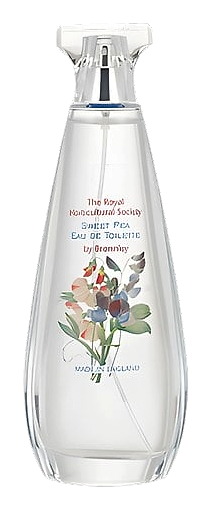
Bronnley partnered with the RHS to translate botanical heritage into fragrance. Sweet Pea was a natural candidate: beloved by British gardeners, this delicate bloom carries an ephemeral quality that perfumers find endlessly compelling. The flower produces a stress hormone when cut, which begins to alter its scent almost immediately after picking. To capture sweet pea authentically, Bronnley approached the challenge with careful attention to the flower's natural behavior, seeking to honor its character in a form that would last beyond the garden gate. The resulting fragrance recreates that garden-fresh essence, offering something that feels genuinely rooted in the living flower rather than a distant approximation.
Sweet Pea marks a departure from Bronnley's usual structure. Rather than layering complexity, the house opted for a soliflore approach, sweet pea as the singular obsession, everything else in service to it. Lilac and carnation provide the nostalgic English garden texture; neroli adds a clean, slightly bitter citrus lift; jasmine rounds the heart with warmth. The white musk base is lean and clean, keeping the composition skin-close rather than projecting. It's a restrained palette that trusts the flower to do the work.
The evolution
The opening is fresh-cut stems and morning dew, green without sharpness, sweet without sugar. Sweet pea announces itself immediately, joined within minutes by lilac's powdery cool air. There's a brief moment where neroli cuts through, clean and bright, before the florals settle into a warmer middle ground where jasmine's creaminess takes over. The drydown belongs to white musk, a skin-close warmth that wraps the last traces of sweet pea and jasmine. The fragrance lingers close throughout its wear, maintaining its character from first spray to final whisper. It's a composed evolution, each stage flowing naturally into the next without jarring transitions, offering the quiet satisfaction of a flower moving through its natural cycle in miniature.
Cultural impact
Sweet Pea holds a particular position as part of the Royal Horticultural Society collection. Its presence in perfumery adds to its appeal; sweet pea remains a distinctive choice for those seeking something beyond the ordinary floral. The fragrance offers a garden-fresh character that feels both familiar and quietly special. This is a scent for someone who appreciates the trusted over the trendy, a composition that rewards attention to detail and a preference for subtlety over spectacle.