The Story
Why it exists.
The beginning
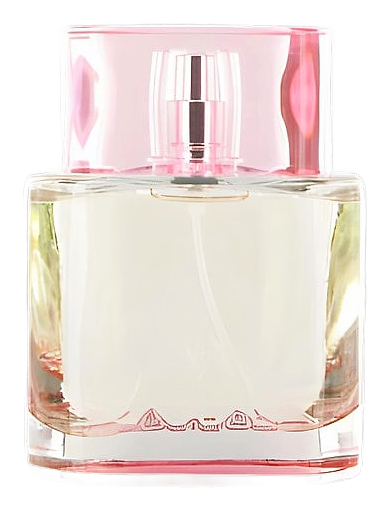
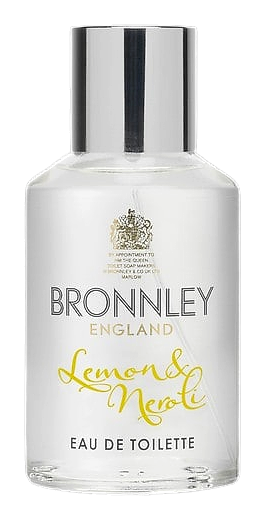
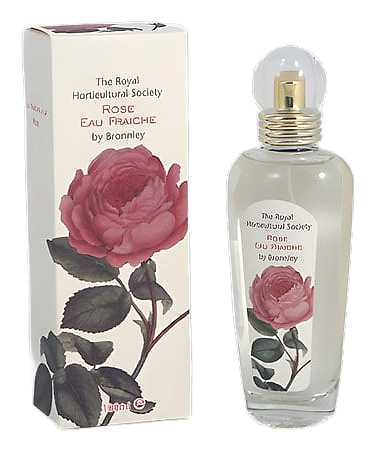
Part of the Royal Horticultural Society collection, Rose Eau Fraiche was conceived as a fragrance that captured a rose at its most honest, not the romantic abstraction of rose petals in amber, but the living flower with its stems and green reality intact. The RHS collaboration brought horticultural expertise to the brief: which variety, which stage of bloom, which part of the plant carries the most character. The answer was a fresh English rose, harvested in the morning when its oils are most volatile, backed by green notes that preserve that just-cut quality. Bronnley's century of British fragrance-making provided the framework for translating botanical precision into something wearable, a rose that behaves like a rose, not a rose-shaped perfume.
What makes Rose Eau Fraiche distinctive is the refusal to resolve. Most rose fragrances move from brightness to softness, petals to powder. This one holds its green note longer than expected, that stem-wet, almost herbal quality doesn't vanish at the heart, it informs the entire development. The geranium introduces a subtle spice that prevents the honey from becoming saccharine, keeping the composition grounded rather than sweet. White musk in the base is barely there, more a memory of skin-warmth than a structural element. The pyramid is simple: green, rose, geranium, honey, spice, musk. No complications. No woodsyoudriness to anchor it. Just the rose, behaving the way roses actually do.
The evolution
The opening hits immediately with green, not citrus-bright but vegetable-green, the smell of stems crushed between fingers. Ten minutes in, the rose arrives properly, warm and slightly honeyed but still holding that green backbone. The geranium becomes more apparent around the 30-minute mark, adding a quiet herbal spice that prevents the composition from sliding into sweetness. By the second hour, the honey has settled into the composition rather than leading it, and the white musk begins its slow work, not projecting outward but staying close, intimate, skin-adjacent. The drydown is the quietest part of the fragrance's life: just a trace of rose and clean musk, the ghost of the garden rather than the garden itself. On fabric, it fades within four hours. On skin, it holds longer, the oils absorb differently, and the rose seems to linger in the warmth rather than the air.
Cultural impact
Rose Eau Fraiche arrived during a period when British perfumery was reexamining its relationship with botanical heritage. While France dominated luxury fragrance and Italy pushed artistic boundaries, England had long produced understated florals rooted in horticultural tradition rather than fashion cycles. The green rose concept challenges the conventional rose fragrance archetype, which typically centers on sweetness or richness. By foregrounding green notes, this scent aligned with broader cultural movements toward naturalism and authenticity in the 2000s. It represents a distinctly British approach to perfumery: restraint, botanical precision, and a preference for suggesting rather than announcing.