The Story
Why it exists.
The beginning
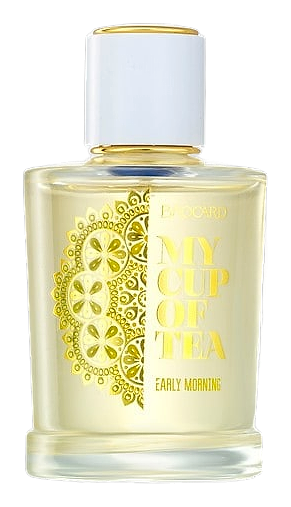
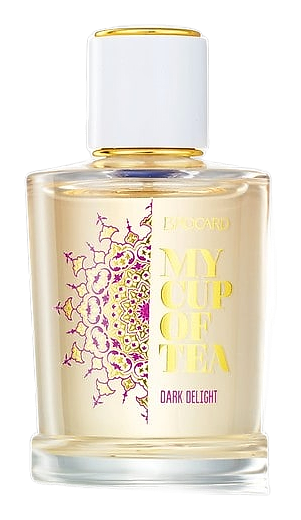
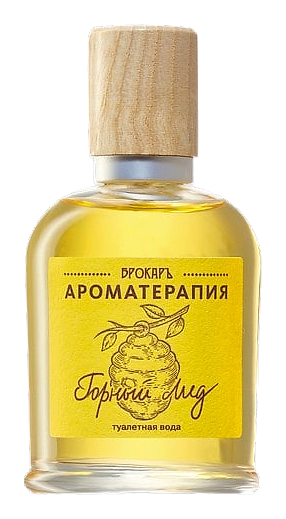
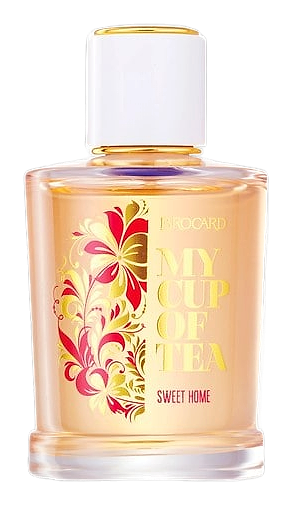
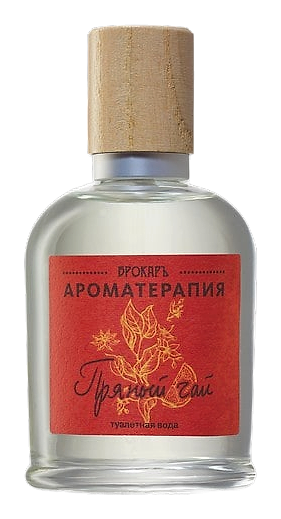
Tea culture in Russia runs deeper than habit. It is ritual. It is the hour when the kettle begins its quiet work and the room becomes yours. Christine Lucas built Spiced Tea around that feeling, not the act of drinking, but the warmth that settles in once you have. The 2019 launch arrived with a composition structured around contrast: bright citrus at the opening, warm spice at the heart, and a base that earns patience. It is a fragrance about arriving somewhere comfortable, then staying.
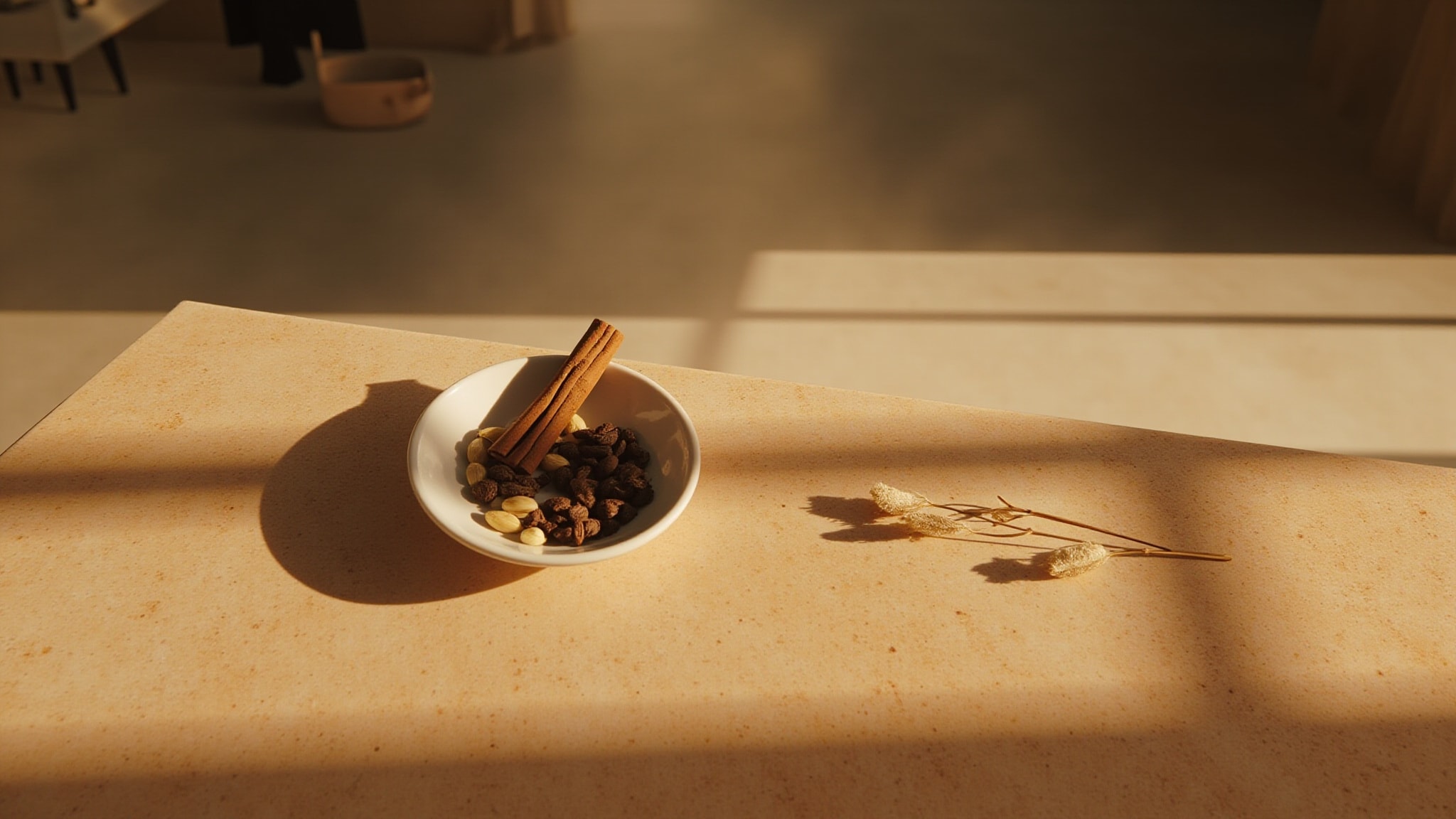
What makes Spiced Tea work is not any single note but the way the heart holds together. Cinnamon and clove provide the heat. Cardamom and nutmeg add complexity without noise. Nutmeg especially, it shows up late, after the cinnamon has made its entrance, and softens the sharpness into something rounder. The tea note does not lead; it bridges. It connects the citrus opening to the woody base without ever announcing itself. Rose and jasmine keep the florals restrained, present but not blooming. They quiet down as the spices take over, which is the right move for a fragrance named after warmth rather than flowers.
The evolution
The opening is brief and bright, mandarin orange and bergamot arriving together, clean and clear. Within minutes the spices push through. Cinnamon announces itself first, then clove, then cardamom settling underneath. The tea note appears around the 20-minute mark, not as a main character but as context, it makes the spices feel like they belong to a cup, not a candle. The rose and jasmine hold on for the first hour, then fade as the woody base begins to establish itself. Patchouli and cedar arrive around the second hour, with sandalwood and vanilla following. The drydown is where it earns its name: warm, slightly sweet, with the vetiver and ambergris adding a quiet depth that stays close to the skin for several more hours. On fabric, the spice fades but the warmth remains overnight.
Cultural impact
Spiced Tea arrives within a broader cultural reappraisal of Russian perfumery, moving beyond Soviet-era associations with heavy florals toward lighter, more internationally resonant compositions. Brocard, founded in 1864, occupies a unique position as one of Russia's oldest continuously operating perfume houses, and the 2019 launch reflects a deliberate effort to modernize the brand's identity while maintaining its historical roots. Christine Lucas's composition draws from a tradition of aromatic spice blending that has deep cultural resonance across Eastern Europe, where mulled wine, spiced teas, and warm herbal infusions have shaped olfactory preferences for centuries.