
The Story
Why it exists.
The beginning
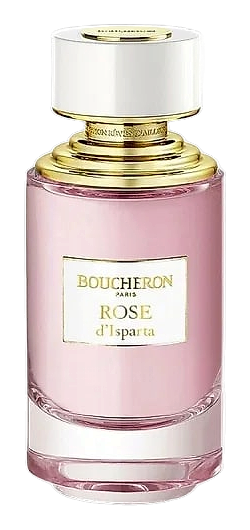
Rose d'Isparta takes its name from Isparta, a city in Turkey's Lakes Region where roses have been cultivated for centuries. The climate, the altitude, the particular mineral quality of the soil, it all contributes to a rose prized in perfumery for its depth and velvety character. Boucheron didn't just borrow the name. The house drew on the region's aromatic heritage, combining Turkish rose with Somalian frankincense, another material with roots in the ancient incense routes that once passed through this part of the world. The result is a fragrance that carries the weight of place: rich rose, warm spice, and a resinous backbone that feels grounded rather than fleeting. Perfumer Sonia Constant built the composition around this tension between floral softness and aromatic sharpness, never letting either dominate completely.
What makes Rose d'Isparta interesting is the unlikely pairing of Turkish rose and Somalian frankincense. These materials don't naturally belong together, frankincense tends toward smoky, austere compositions while rose reads as romantic and floral. Here, the incense gives the rose an almost medicinal quality, a slight sharpness that prevents it from feeling precious or predictable. The ambrette seed bridges the top and heart, its musky, slightly nutty character adding continuity without weight. In the base, vanilla, amber, and tonka bean create a warm, powdery register that closes the fragrance into something soft and intimate.
The evolution
The opening is all business. Somalian frankincense announces itself with a sharp, resinous quality, the smell of smoke before it catches. Ginger amplifies this with a clean, almost citrus-like heat. Ambrette softens the edges slightly, but only slightly. The first twenty minutes are assertive, almost confrontational. Then the hand-off. Turkish rose arrives and deepens the composition with its jam-like richness. Saffron, cinnamon, and hawthorn add complexity, a warm, slightly bitter spice that makes the rose feel substantial rather than delicate. Freesia provides a brief floral brightness before the heart settles into its full warm register. The drydown is where this fragrance earns its reputation. Vanilla, amber, and tonka bean create a creamy sweetness that absorbs the earlier sharpness. The sandalwood and ambrette linger longest, extending the fragrance's presence on skin for 8-10 hours without ever becoming loud. The final impression is warm, powdery, and close, something that stays with you the next day if you sleep in it.
Cultural impact
Wearers describe it as the fragrance of someone who walks into a room and doesn't need to announce themselves. The comparison to Narciso Rodriguez Rose Musc comes up often, both share a musk-rose-ambrette core, but Rose d'Isparta adds more oriental warmth and smoky spice that makes it feel distinct rather than derivative.