
The Story
Why it exists.
The beginning
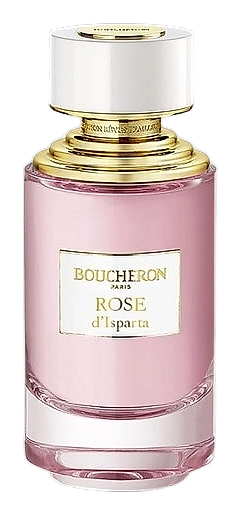
Rose d'Isparta takes its name from Isparta, a city known for its rose cultivation. Boucheron paired Turkish rose with Somalian frankincense, creating a fragrance that carries rich rose, warm spice, and a resinous backbone that feels grounded rather than fleeting. The composition balances floral softness with aromatic sharpness, never letting either dominate completely. Turkish rose brings depth and velvety character, while frankincense adds an aromatic quality that provides contrast. The result is a fragrance with complexity and presence, where the sweetness of rose meets the resinous quality of incense. Sonia Constant crafted the blend to create layered depth, with each material contributing to an overall impression that is both floral and aromatic.
The pairing of Turkish rose and Somalian frankincense creates an interesting dynamic in Rose d'Isparta. Frankincense brings a smoky, resinous quality that contrasts with the floral richness of rose, resulting in something that feels neither purely romantic nor austere. Ambrette seed plays a role in the composition, its musky character adding continuity as the fragrance develops. The base features vanilla, amber, and tonka bean, which create warmth and softness in the final stages.
The evolution
The opening of Rose d'Isparta makes an immediate impression. Somalian frankincense announces itself with a sharp, resinous quality, the smell of smoke before it catches. Ginger adds a clean heat that amplifies the effect. Ambrette softens the edges slightly, but only slightly. The first moments are assertive and confident. Then the transition begins. Turkish rose arrives and deepens the composition with its rich floral character. Saffron, cinnamon, and hawthorn add complexity, warm spice that makes the rose feel substantial rather than delicate. The heart settles into its full warm register as these materials blend together. The drydown is where this fragrance develops fully. Vanilla, amber, and tonka bean create a creamy sweetness that absorbs the earlier sharpness. Sandalwood and ambrette extend the fragrance's presence, creating a lingering warmth that stays close to the skin.
Cultural impact
Rose d'Isparta offers something distinctive in the landscape of rose-based fragrances. The combination of musk, rose, and ambrette creates a particular character that sets it apart from more straightforward floral compositions. The oriental warmth and smoky spice give it a different feel, something more grounded and complex than many alternatives in the category. Those who discover it tend to appreciate how it avoids the predictable qualities often associated with rose fragrances.