
The Story
Why it exists.
The beginning
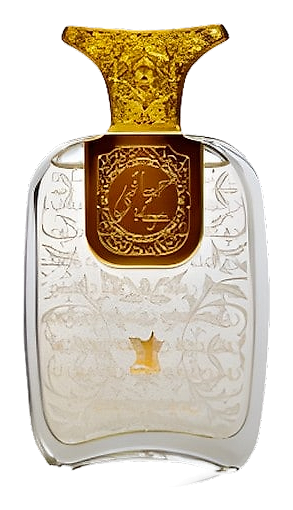
Hayati, Arabic for "my life", arrived in 2012 from Arabian Oud, the Saudi house that built its reputation on oud oil mastery and a network of over 1,200 stores across 37 countries. The name is the point. This is not a fragrance for someone else. It is a fragrance for the person wearing it, built from the inside out. The brief seems to have been simple: take the rose-citrus-golden warmth that makes florals feel like morning light, and anchor it in something that lasts. Sandalwood and patchouli do that work quietly, without drama. The result is a composition that reads as both intimate and expansive, the kind of scent that belongs to a specific person but registers from across a room.
What makes Hayati interesting is not what it contains but how it moves. The top accord, rose, mandarin, bergamot, tuberose, sounds familiar until you smell it. The rose arrives first, which is unusual; usually it's a supporting player in oriental compositions. Here it sets the tone, bright and almost green before the citrus sweetens it. Tuberose adds a creamy thickness that prevents the opening from reading as delicate. The structure is built for longevity: warm woods arrive early and stay late, which explains the 8-10 hour performance that wearers consistently report. Ambergris in the base adds a salty, animalic depth that keeps the drydown from becoming purely linear.
The evolution
The first five minutes are all rose and citrus, bright, clear, the kind of opening that announces presence without demanding attention. Mandarin orange softens as bergamot arrives, and the tuberose begins to show itself, not screaming, just present. Around the thirty-minute mark, the floral heart deepens. Musk emerges, not powdery but warm and skin-adjacent. The citrus doesn't disappear; it recedes, becoming a memory rather than a statement. The base arrives gradually, patchouli first, earthy and grounding, then sandalwood arriving like warmth from a closed door. The oud, if present, stays subtle, more texture than character. Eight to ten hours on skin means the drydown begins around hour four: ambergris, warm wood, and the ghost of rose still there, softened by then into something almost intimate. On fabric, it lasts longer. The next morning, traces remain.
Cultural impact
Hayati sits in the lineage of Arabian Oud's mixed-oriental expressions, fragrances that blend traditional Middle Eastern materials with floral-forward compositions designed for global wear. Released in 2012, it preceded the brand's rapid scaling that brought its retail presence to over 1,200 locations. The fragrance occupies a specific space: oriental enough to feel rooted in the brand's heritage, floral enough to read as modern and accessible. Wearers consistently describe it as the scent of someone who doesn't need to announce themselves, a quiet confidence that aligns with the brand's positioning of heritage depth over trend-chasing luxury.