The Story
Why it exists.
The beginning
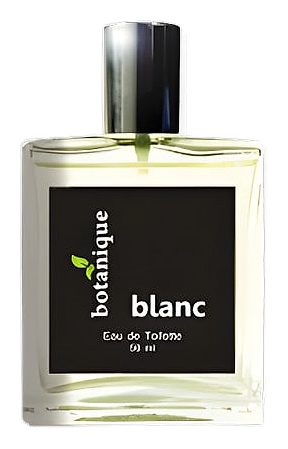
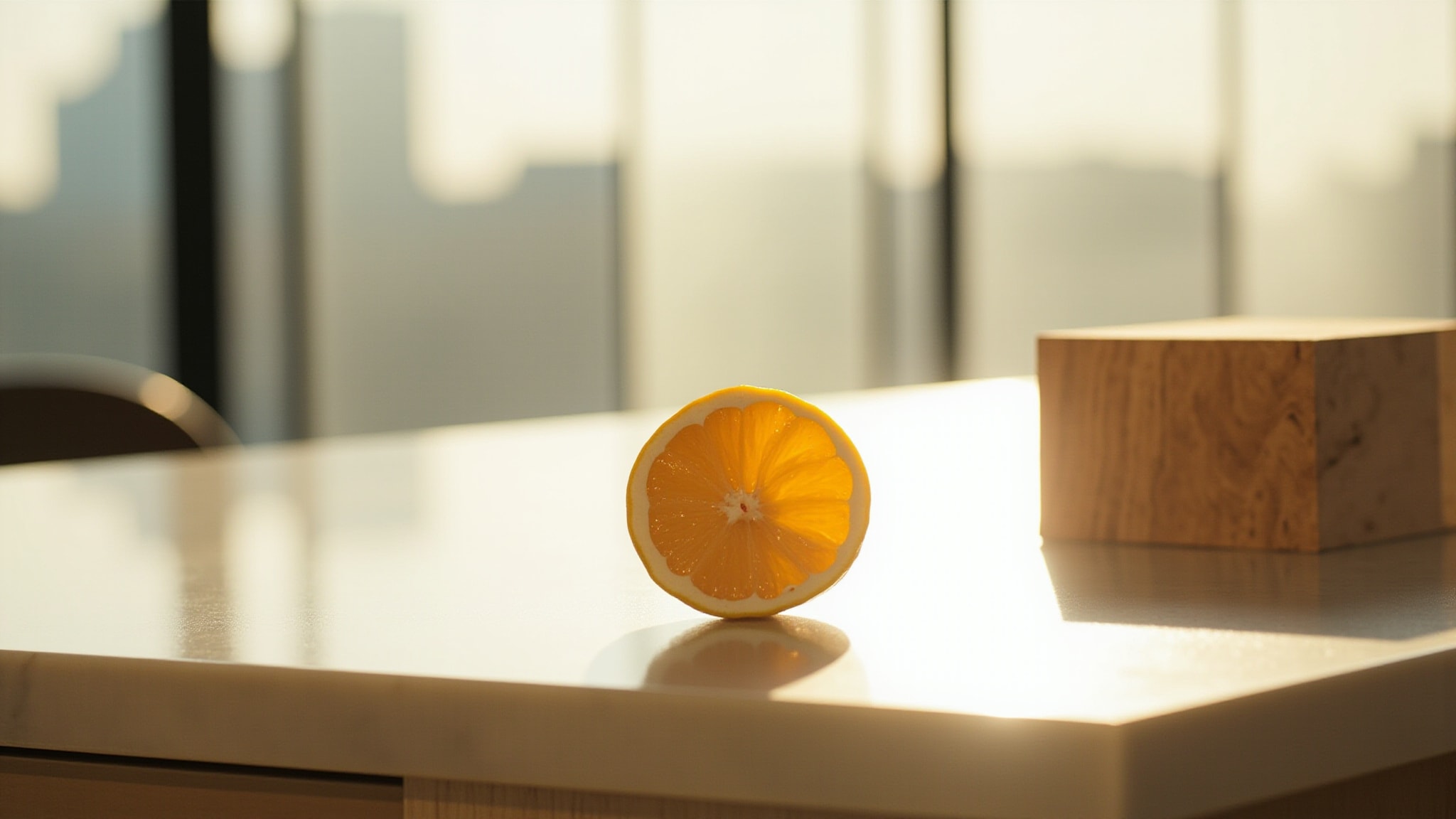
Blanc finds its place in a quieter register, where confidence comes through restraint rather than spectacle. The idea is a composition that feels polished without becoming overstated, balancing freshness with a soft warmth and leaving room for the wearer to discover its details over time. It presents itself gradually, with a clean surface and subtle movement underneath. Blanc is less about announcing itself and more about rewarding attention. Its character comes from the way the elements settle together: brightness is tempered by softness, sweetness is held in check, and the composition keeps shifting between freshness and warmth. The result feels composed, elegant, and easy to return to, with a sense of clarity that suits everyday wear and leaves the fragrance open to interpretation.
The composition unfolds in layers, moving from a bright impression toward warmer, more rounded territory while retaining a clean sense of space. Early freshness gives way to softer texture, and the different facets begin to interact rather than compete. That gradual transition gives Blanc its sense of movement: it can read as airy and polished at first, then more intimate and enveloping as it settles. The sweetness remains controlled, never becoming sugary or heavy, while the woody warmth provides structure beneath it. This is what makes the scent feel coherent rather than simply layered.
The evolution
Blanc changes gradually on the skin, beginning with a fresh, polished impression that feels bright and composed. That first impression is not the whole story, though. As the fragrance settles, its character becomes softer and more continuous, with a gentle sweetness entering the composition without overwhelming it. The early brightness gives way to a warmer, rounder quality, and the different facets settle into a more intimate accord. The movement feels smooth rather than abrupt: what begins as a clean opening gradually becomes a softer, more enveloping presence. Its sweetness remains measured, while a subtle textural quality gives the composition depth. Over time, Blanc appears to move closer to the skin, becoming less about immediate impact and more about atmosphere. This makes it feel versatile without being anonymous.
Cultural impact
Blanc can be understood as part of a broader interest in fragrance that feels modern without relying on loudness or excess. Its appeal lies in the way it occupies a middle ground between freshness and warmth, offering an impression that is polished yet approachable. This kind of composition encourages wearers to engage with scent gradually, discovering how the opening settles, how the sweetness is restrained, and how the later stages create a more intimate atmosphere. Blanc’s presence in contemporary fragrance culture is therefore less about a single cultural moment and more about changing expectations around what a fragrance can communicate.
The House
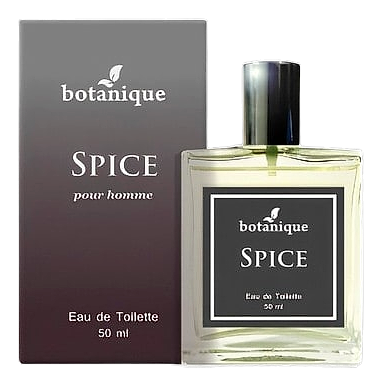
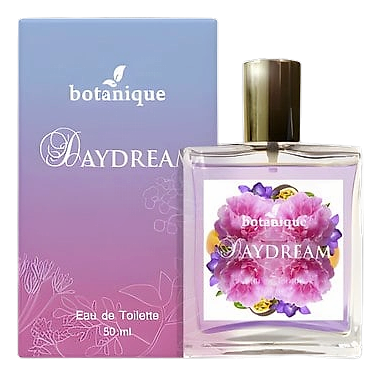
BotaniqueBotanique presents itself as a niche fragrance house that builds each scent around a single botanical theme. The label offers a compact catalogue that includes Daydream (2013), Spice (2011), In Bloom (2011) and several other releases from 2011‑2013. Its bottles carry a clean, minimal silhouette, while the aromas aim to translate garden walks, orchard breezes and coastal air into wearable art. Though the brand’s public records are limited, it is believed to have emerged in the early 2000s and to operate out of France, where it draws on local flora and traditional extraction methods. Botanique positions its creations as an invitation to explore nature’s palette without the clutter of heavy marketing, focusing instead on the scent story itself.
The Creator
Armando AlonzoAlonzo favors a restrained palette anchored by earth tones, leather, and resin. He often layers a base of cedar or sandalwood with a whisper of spice before introducing a surprise note that challenges the composition's logic.