The Story
Why it exists.
The beginning
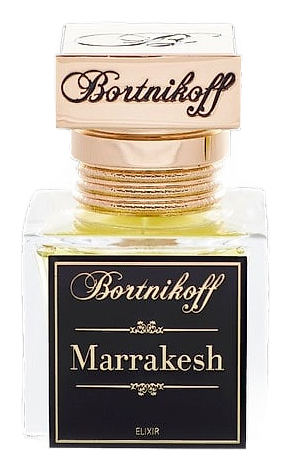
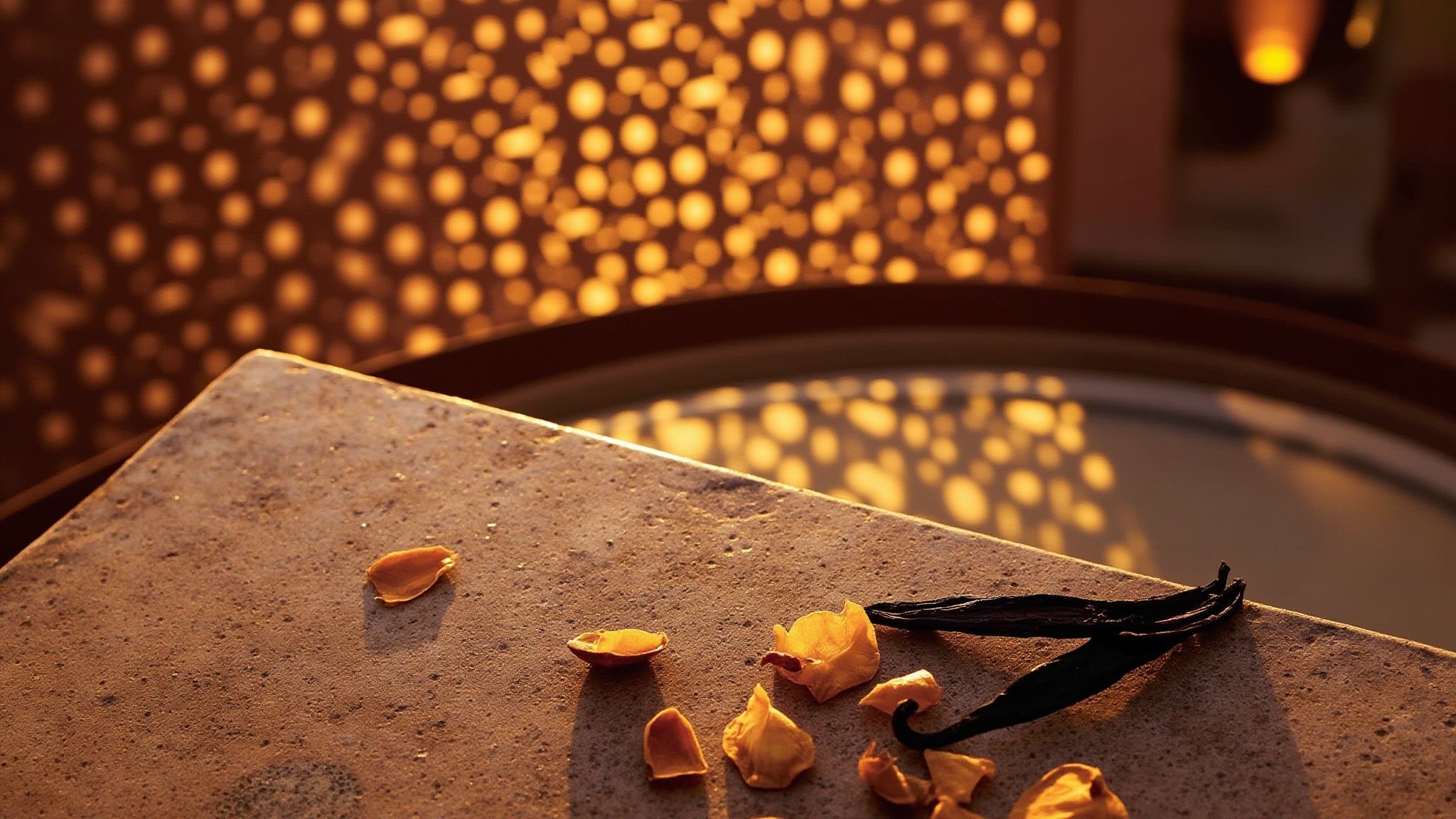
Marrakesh takes its name from the Moroccan city itself, a place of sensory extremes where spice souks and jasmine-draped riads occupy the same evening air. Dmitry Bortnikoff composed the fragrance as an extrait de parfum, which means concentration isn't an afterthought. The brief was contrast: spice against nectar, shadow against light. What emerged is a scent that opens confrontational and ends intimate, holding the full arc of its development close to the skin for hours. The name isn't literal, it doesn't smell like Marrakech. It feels like arriving there at dusk, when the heat breaks and something softer takes over.
Tunisian orange blossom absolute carries more weight than its Neroli cousin. It's darker, more indolic, almost waxy, a material that demands attention rather than asking politely. Bortnikoff paired it against black pepper and nutmeg in the opening, which creates immediate tension: the bright, almost medicinal quality of the orange blossom pushed against the dry spice of the pepper. Neither dominates. They argue, then settle. The hedione in the heart does what hedione does best, it lifts the jasmine, extends the florals, makes everything feel like it's lasting longer than it should. Borneo oud in the base is where the brand's DNA shows most clearly: smoky, animalic, unapologetically present.
The evolution
The opening announces itself with pepper and nutmeg, a dry, almost austere spice that hits before you've finished applying. The orange blossom follows within minutes, but it doesn't soften the spice so much as complicate it. The florals arrive next: jasmine and the subtle stone-fruit note of nectarine, carried by hedione's transparent lift. This middle phase is the most graceful part of the development, everything feels airy and connected, like the scent is deciding what it wants to be. Then the Borneo oud enters. It's not a surprise, the smoky, slightly barnyard warmth has been building, but its arrival shifts the entire gravity of the fragrance downward, toward the skin. Benzoin and vanilla absolute take over from there, creating a resinous, sweet drydown that stays intimate for the remaining hours. Moderate sillage throughout. The kind of fragrance that someone two feet away might catch when you move, not one that announces itself across a room.
Cultural impact
Marrakesh draws from Morocco's historic role as a crossroads between East and West, channeling the aromatic heritage of North African spice trade routes into a contemporary niche context. The use of Tunisian orange blossom absolute, a material prized in Mediterranean perfumery since antiquity, anchors the fragrance in a specific cultural geography while Borneo oud brings Southeast Asian material traditions into dialogue with it. This cross-cultural material sourcing reflects niche perfumery's broader 21st-century project of assembling global aromatic traditions into coherent artistic statements.