The Story
Why it exists.
The beginning
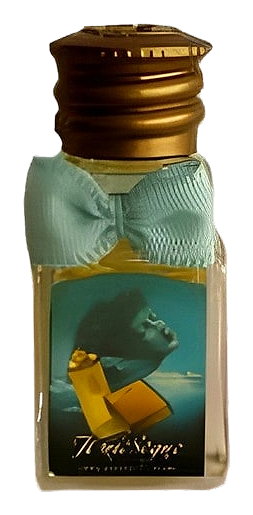
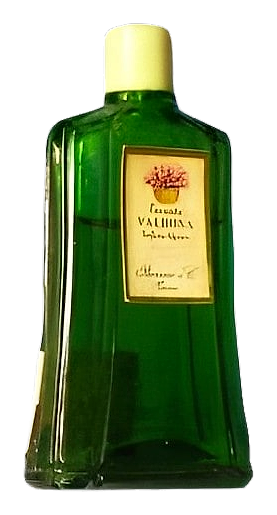
Lavanda Valbona arrived in 1950, a launch that said everything about what a single raw material could carry when trusted to speak without interruption. The name itself points to the intent: lavender presented without embellishment, the kind of composition that trusts its own material rather than reaching for structural support from neighboring notes. No pyramids to decode, no clever layering. Just one note, one intention, one fragrance that understood restraint as a form of confidence. What makes a single-note lavender worth wearing isn't novelty. It's the discipline of letting one ingredient carry the whole composition, and watching what lavender actually does when nothing else competes for attention.
What makes a single-note lavender interesting isn't the lavender itself, but the refusal to complicate it. The accords tell the rest: aromatic, fresh spicy, herbal, floral, a combination that signals raw material complexity rather than added ingredients. Lavender, when it's good, contains all of these registers internally. The sharp camphor at the top, the green herbal density in the body, the soft floral warmth underneath, all of it latent in the same oil, waiting for temperature and time to draw them out. A fragrance like this rewards patience. It doesn't announce itself and then disappear.
The evolution
Lavanda Valbona opens at full brightness. Lavender at its most articulate, the camphoraceous edge that hits before anything else has a chance to settle. The first impression is sharp and clean, the kind of clarity that announces a single material with confidence rather than apology. There's something distinctly old-fashioned about it, the kind of opening that smells like it belongs in a glass apothecary jar rather than a modern bottle, unhurried and precise. As the composition moves past the opening, it begins to loosen. The camphor edge softens and the herbal body of the lavender takes over, greener and quieter, denser without losing its clarity. This is where the fragrance finds its center, a warm, slightly creamy lavender that feels grounded rather than fleeting, less like an aromatic ingredient and more like a living plant still rooted somewhere dry and sun-exposed.
Cultural impact
Lavanda Valbona occupies a particular corner of the fragrance world, a vintage piece known to collectors and devotees of regional Italian houses, less visible to mainstream discovery than contemporary designer releases. Its appeal is quiet rather than amplified: lavender stripped to its essentials, interesting precisely because so few modern releases trust a single note this completely. What draws attention to a fragrance like this isn't marketing or visibility.