The Story
Why it exists.
The beginning
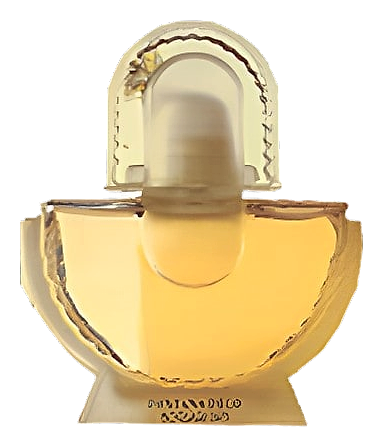
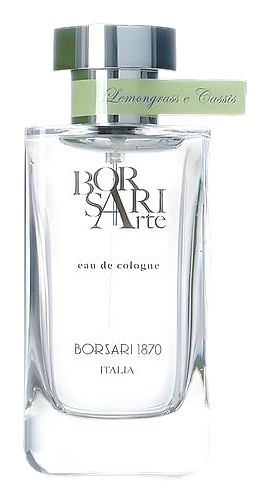
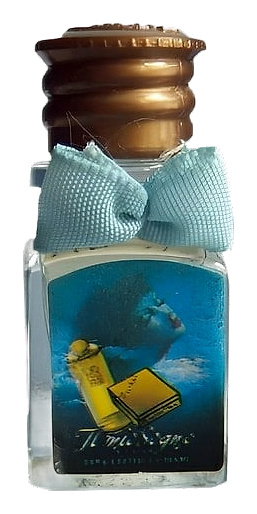
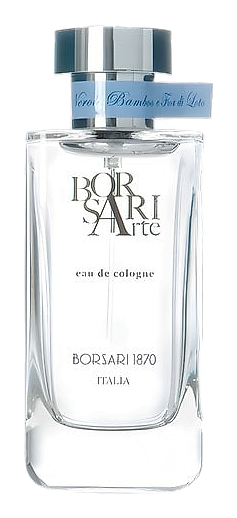
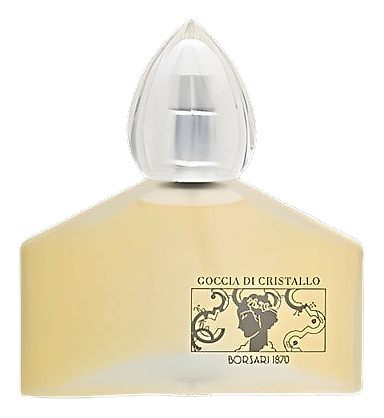
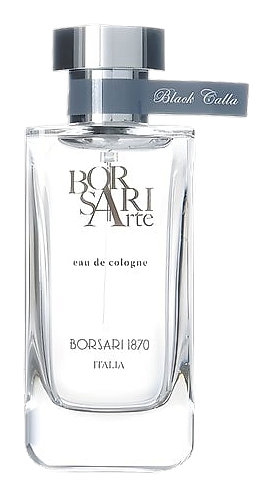
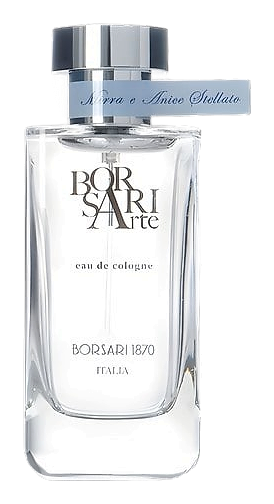
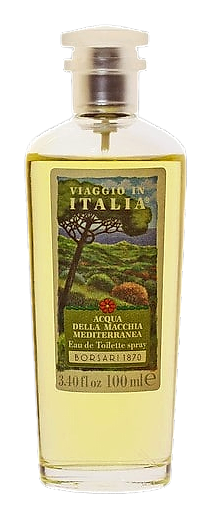
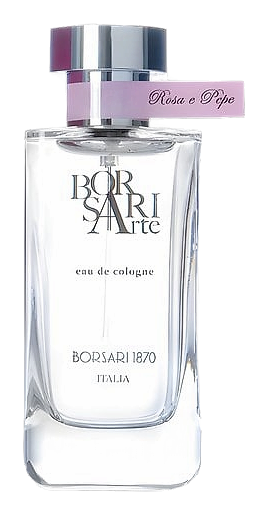
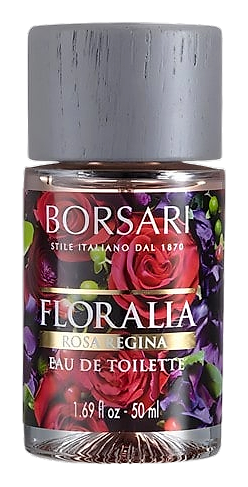
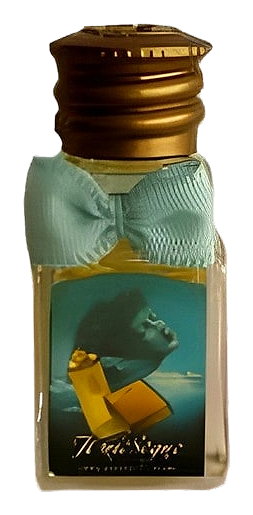
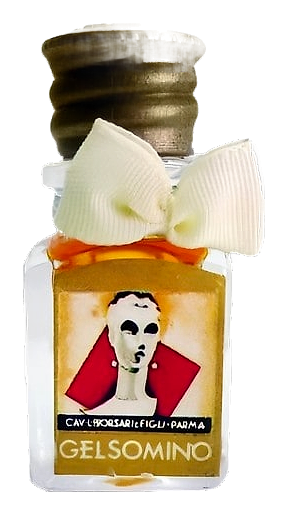
Arussat arrived in 1940 from Borsari 1870, a Parma-based house whose name carries a date that may be brand nomenclature rather than a verified founding year. The name doesn't trace to a known place or figure in the record, which is fitting for a composition this unadorned. It came out of a house shaped by northern Italian craft traditions, built around the kind of straightforward perfumery that doesn't need to announce itself. A wartime-era release aimed at women, it leaned entirely on what Parma perfumery already did well: citrus lifted by florals, kept tight and bright. The production is reported as discontinued today, putting Arussat firmly in the category of fragrances you encounter rather than reach for off a current shelf.
What's worth noting is how thin the composition chooses to be. Floral Notes and Citrus, nothing else officially listed. That restraint is on full display from the first spray, where the citrus arrives bright and immediate without the usual chaperone of heavier base notes to round it out. The accords flagged as floral, citrus, fresh, fresh spicy, and aromatic give a slightly fuller picture of what's happening on skin, even though no individual materials are pinned to those descriptors in the formal note list.
The evolution
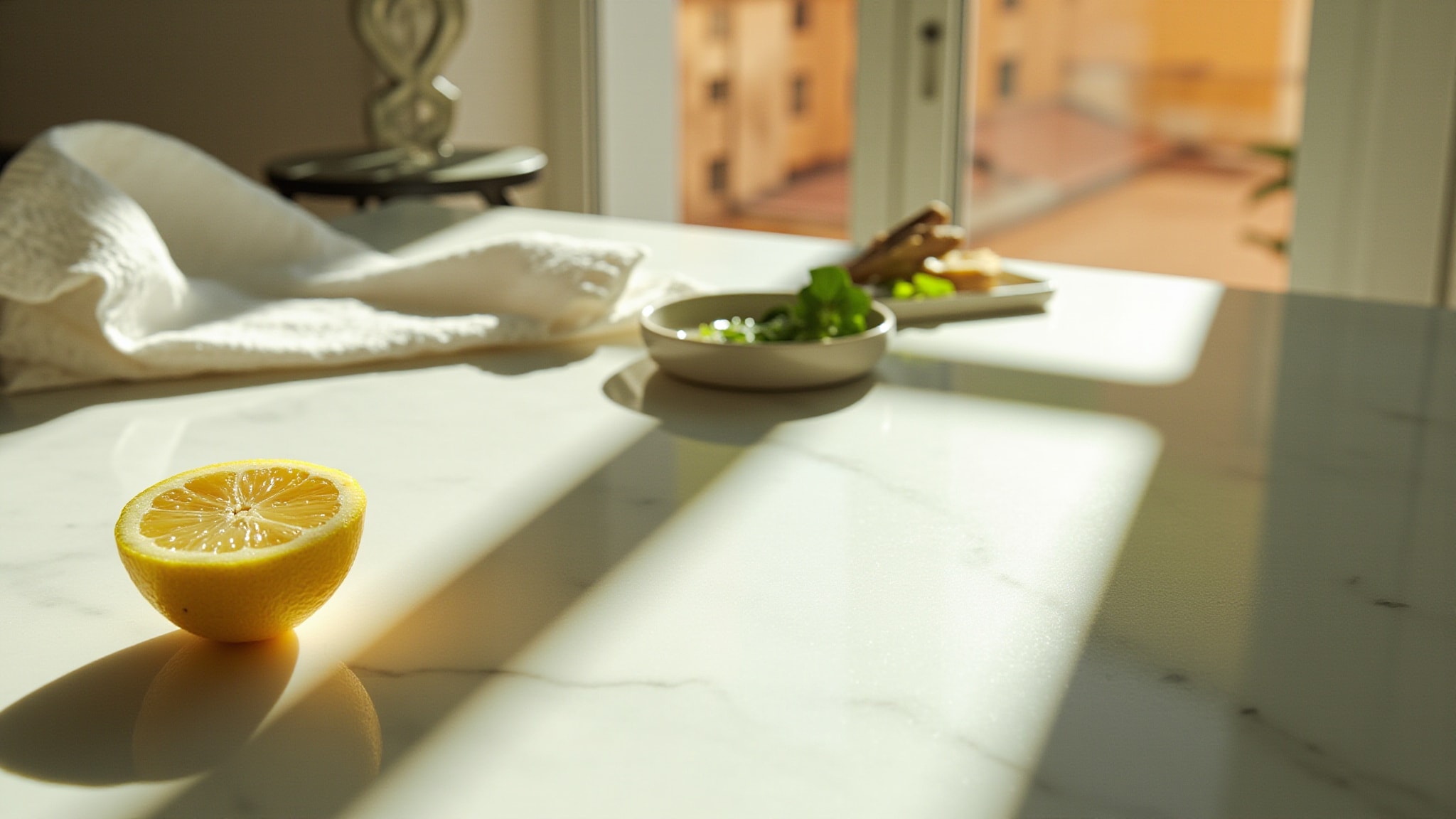
On skin, Arussat opens the way a glass of cold water looks on a hot day. The citrus is sharp and immediate, not the candied kind, more like zest just broken under a thumb. That first 20 minutes is a study in brightness, with the citrus holding the foreground while something softer begins to lift underneath. The florals arrive gently around the 30-minute mark, not as a wall but as a breath of petals, maybe rose, maybe something greener, woven through the citrus rather than replacing it. What surprises is how the fresh spicy element surfaces mid-wear, a faint pepper-ginger heat that suggests the composition has more underneath than the note list admits. The drydown, somewhere past the 3-hour mark, keeps the citrus but softens it into something more like lemon balm than lemon peel, warmer, less aggressive, still clean. Wearers describe a personal, close-to-skin sillage that earns it a loyal following rather than crossing the room as a loud statement.
Cultural impact
Arussat is a small archival entry in Italian perfumery rather than a cultural landmark. Its 1940 release places it in a specific moment of Italian feminine fragrance output, the kind of release that captures what regional perfumery was producing during a constrained period. The composition's minimalism reads as characteristic of smaller Parma houses that worked with straightforward formulas and let the materials speak for themselves, a citrus-floral that doesn't reach for ornamentation or structural complexity.