The Story
Why it exists.
The beginning
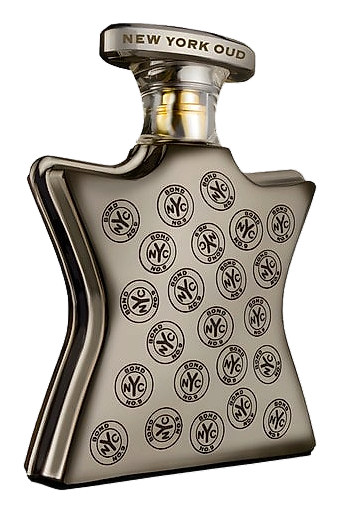
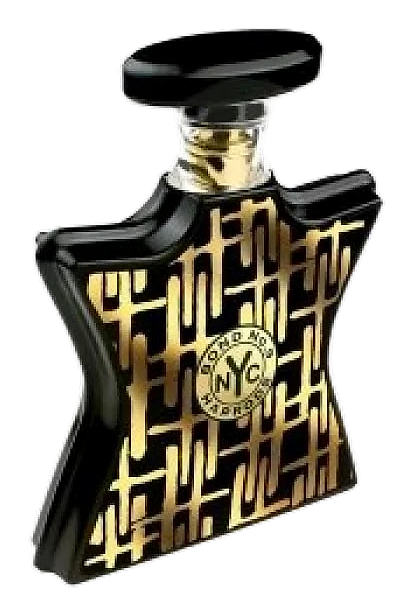
Harrods Agarwood arrived in 2013 as part of a collaboration between Bond No. 9 and Harrods, the London retailer. Bond No. 9, the New York fragrance house, had already established a reputation for releasing scents tied to a sense of place. This release turned that lens toward one of perfumery's most storied materials: agarwood, a resinous heartwood produced when Aquilaria trees are infected and respond with a dense, fragrant resin. The wood's oily, almost medicinal richness has made it a cornerstone of luxury fragrance for generations, prized for the smoky, animalic warmth it lends to a composition. On skin, the agarwood opens with a sharp, almost bitter darkness before softening into something warmer, the resin's natural sweetness pulling forward as the hours pass.
What makes this composition worth noting is how it handles oud. Rather than drowning the agarwood in the smoky, barnyard-leaning style common to traditional Arabic perfumery, Bond No. 9 builds around it with gourmand-adjacent spices. Black tea and saffron open with a warmth that reads almost edible, like a spiced confection cooling on a marble counter. The oud arrives later, darker and quieter, propped up by sandalwood and amber instead of fighting for the spotlight. It's oud reimagined for someone who finds the classic treatment too aggressive but still wants the depth.
The evolution
The first thirty minutes belong to black tea and saffron, and they're not subtle. The opening smells like a cup of chai where someone swapped the cardamom for something richer, dustier, almost leathery. Nutmeg buzzes underneath, adding a dry heat that keeps the sweetness from going syrupy. By the forty-minute mark, the saffron has settled and patchouli surfaces with suede. This is the most textured phase, almost a brushed fabric feeling, warm but not heavy. Violet adds a faint dusty sweetness that keeps the heart from going too dry. Then the base takes over. Amber, sandalwood, musk, and oud arrive together like a late-evening ensemble. The oud here is smooth and resinous rather than barnyard, layered against sandalwood creaminess. Hours five through eight are mostly the base, and the base does not leave. On skin the next morning, what remains is a warm amber-oud skin scent, close and almost powdery. On fabric, the longevity extends well past twelve hours, with the oud holding its shape long after the spices have gone quiet.
Cultural impact
Harrods Agarwood carries a dual identity that sets it apart from much of Bond No. 9's catalog. It is a fragrance built around oud, one of perfumery's most ancient and storied materials, and it does so with a composition that feels approachable rather than austere. The agarwood reads as dark and resinous from the first spray, with a sharp, almost smoky bitterness that softens into something warmer and sweeter as the hours pass. The drydown settles into a deep, woody warmth that clings close to the skin, the resin's natural sweetness rebalancing against the wood's heavier, animalic undertones throughout the wear.