The Story
Why it exists.
The beginning
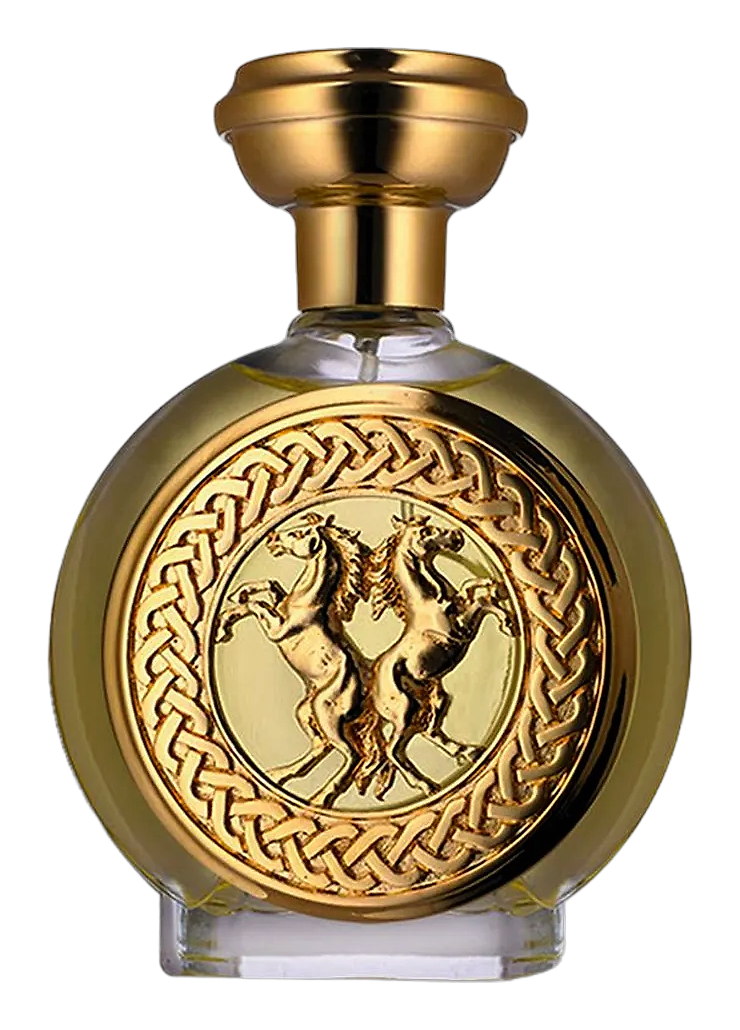
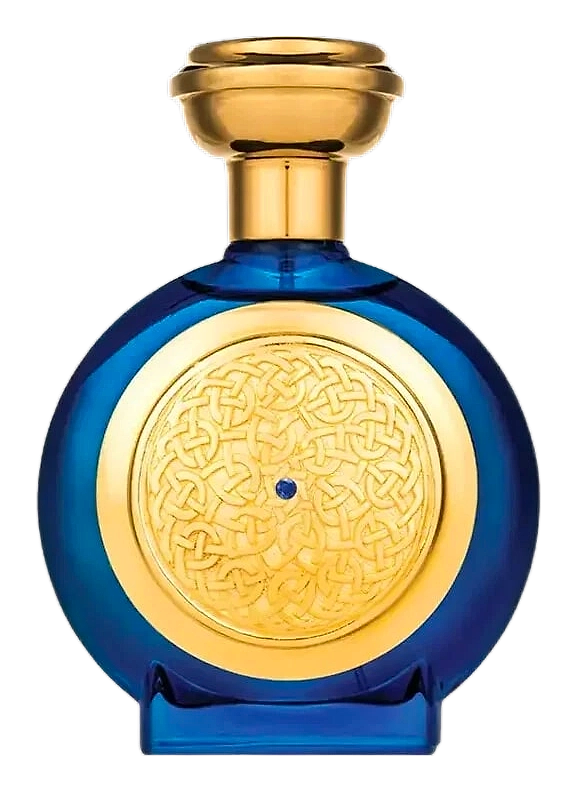
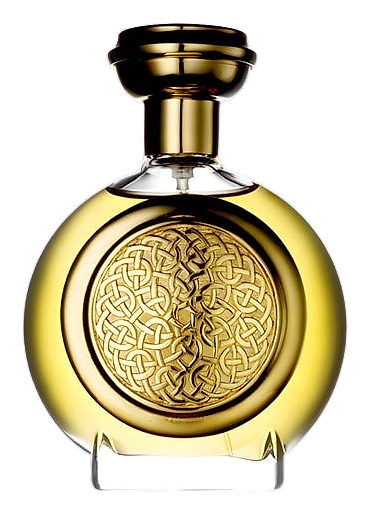
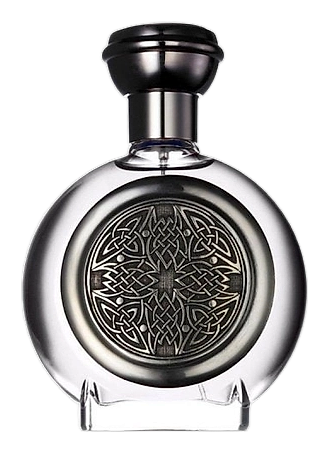
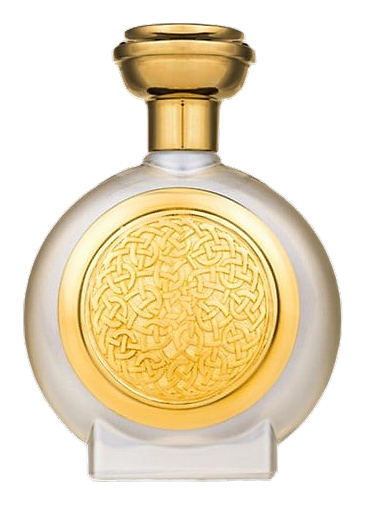
Amber Sapphire arrives as part of the Eternal Sapphires collection, Boadicea the Victorious's ongoing study in contrasts. Where other entries in the line lean into single registers, sharp mineral or heady floral, Amber Sapphire splits the difference. The brief seemed simple: warmth that doesn't go soft, coolth that doesn't go cold. The house named it for the gemstone, but the real reference is the colour shift, a stone that holds light differently depending on the angle. That became the fragrance's structure. Spicy and fruity at first, floral and green in the middle, woody and resinous at the end. Three chapters that don't fully agree with each other, which is exactly the point.
The pairing of rum with blackcurrant is unusual. Rum brings sweetness and a faint alcoholic bite; blackcurrant adds a tart, almost medicinal darkness that keeps the opening from feeling like dessert. They pull in opposite directions, and the bergamot arrives just in time to mediate. The cinnamon does what cinnamon always does, announces itself, then retreats, but here it's working as a bridge between the cool, fruity top and the warm, resinous heart. Mastic is the quietest decision in the pyramid. Resinous without being aggressive, it stops the rose and magnolia from going too soft, keeps them grounded in something that reads as green rather than sweet.
The evolution
The first thirty minutes belong to the rum. It opens sweet and a little sharp, the kind of sweetness that announces itself rather than sneaks in. Within ten minutes the blackcurrant appears, brief, dark, almost astringent, and the cinnamon kicks harder, as if the fragrance has decided to stop being polite. The bergamot sits underneath, not rescuing anything, just keeping the temperature from going fully warm. Then the florals arrive. The rose doesn't wait for permission. Magnolia and jasmine follow, and the mastic is the one that earns its place here, it cuts through the sweetness with something green and slightly bitter, the smell of resin on a warm afternoon. By hour two the top notes are gone. What remains is a floral heart that has quietly absorbed the cinnamon's warmth and is now doing something unexpectedly cool. The oud appears around hour three, not dramatically, but as a settling, smoky, deep, a little medicinal. It takes its time. Cashmeran and vanilla build underneath, and the drydown that follows is where the fragrance earns its name.
Cultural impact
Amber Sapphire occupies a specific corner of niche perfumery: the collector who has already worked through the safe choices and wants something with genuine structural tension. The pairing of warm vanilla and cool oud is common enough in the category, but Amber Sapphire's execution, where the two notes coexist rather than blend, sets it apart. Community reception is divided on the blackcurrant note, which some find sharp and off-putting in the opening before the florals arrive. Those who stay past that first thirty minutes tend to become advocates. The fragrance skews toward autumn and winter wear, with enough projection to fill an evening setting, though the value-for-money rating suggests the price point gives people pause.