
The Story
Why it exists.
The beginning
John Stephen built Alluring in 2009 as a study in density. The brief wasn't subtlety, it was how much rose a composition could hold before it collapsed under its own weight. Summer fruits opened the question: a dusty plum, the kind that stains your fingers, a raspberry note bright enough to catch light. Then the rose arrived, tinctured in honey, heavy with intention. Stephen wasn't interested in a delicate floral. He wanted the rose to feel earned, substantial, real, the kind that has been growing long enough to matter.
What makes Alluring unusual is the structural logic of the heart. Tincture of rose isn't rose water or rose absolute, it's rose suspended in alcohol or oil, extracting the fullest aromatic range of the material. Combined with ylang-ylang's creamy, almost narcotic warmth and a honey note that reads more like a resin than a sweetener, the heart becomes a dense, golden thing. The top notes, plum, summer fruits, red berries, exist to soften the entrance. Once you're in, the rose doesn't share the stage.
The evolution
The opening is fruity and immediate, plum sweetness, a burst of summer berries. It reads bright for about twenty minutes before the honey-rose heart takes over, and that's when Alluring changes register. The ylang-ylang adds a tropical creaminess that keeps the rose from being precious. Then the base arrives: patchouli, woody notes, musk. The patchouli is earthy without being dirty. The resins linger. On most skin, the drydown holds for eight to ten hours, a full workday, then some. The musk stays closest, closest to the skin, the last thing left behind.
Cultural impact
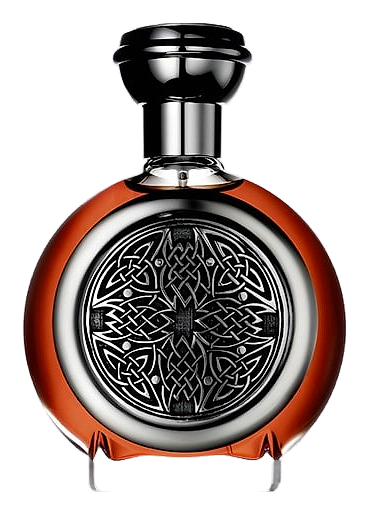
Boadicea the Victorious emerged in 2008 as a distinctly British response to the French niche fragrance movement, positioning itself at the intersection of heritage and exclusivity. The house chose Harrods for its debut launch, a strategic move that immediately signaled its luxury positioning. Alluring arrived in 2009 as the brand's second fragrance, following the introduction of the eponymous Boadicea. The British niche market at that time was still finding its footing, with consumers beginning to distinguish between designer mainstream releases and artisanal compositions. Boadicea's approach, opaque bottles, warrior queen branding, and a focus on dense florals, represented a particular British aesthetic that stood apart from Italian opulence or French elegance.