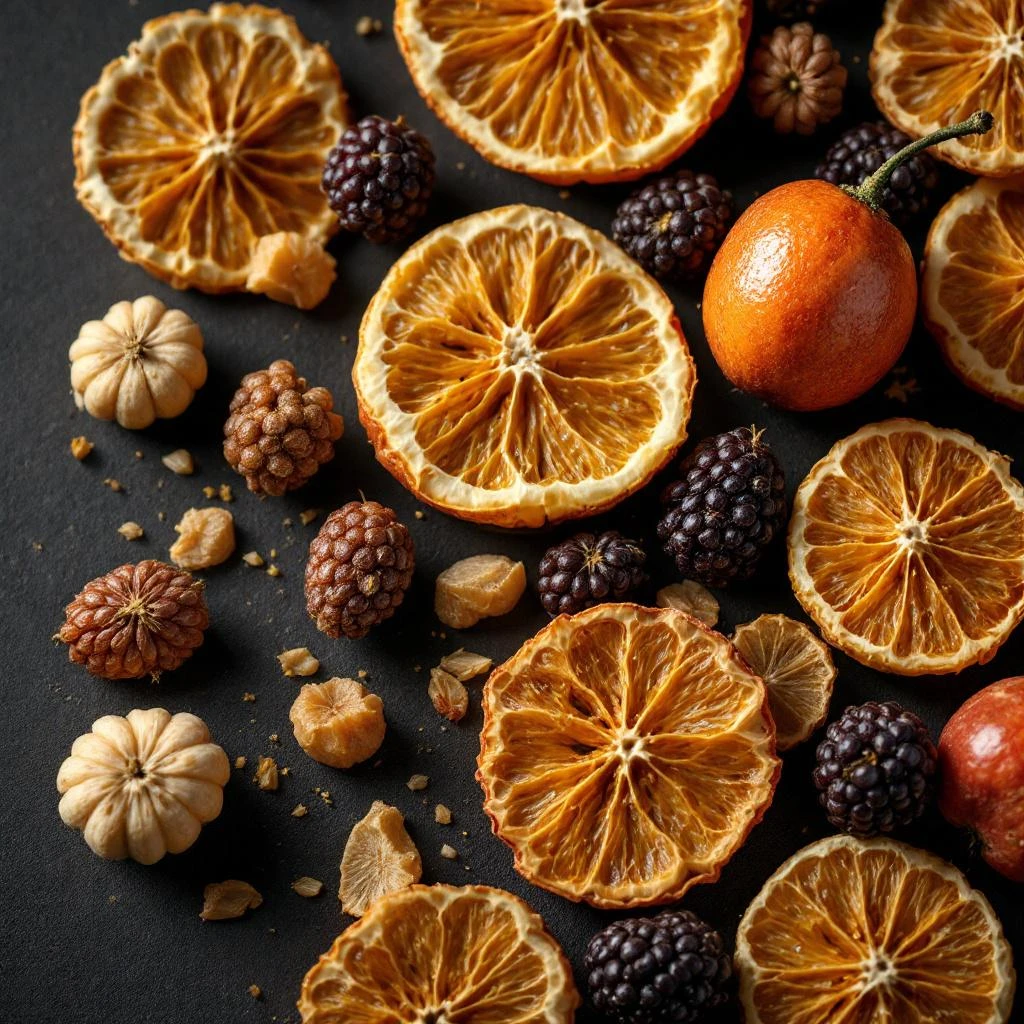
Summer fruits
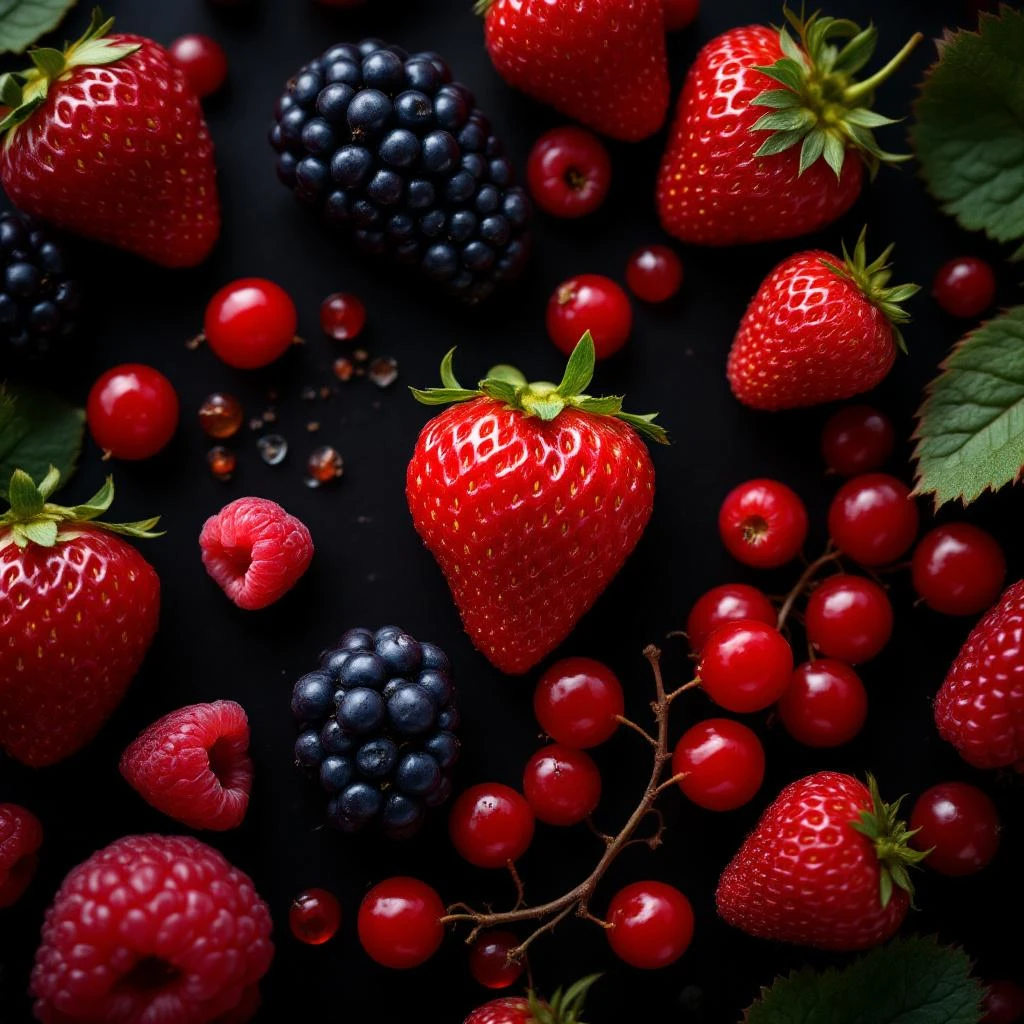
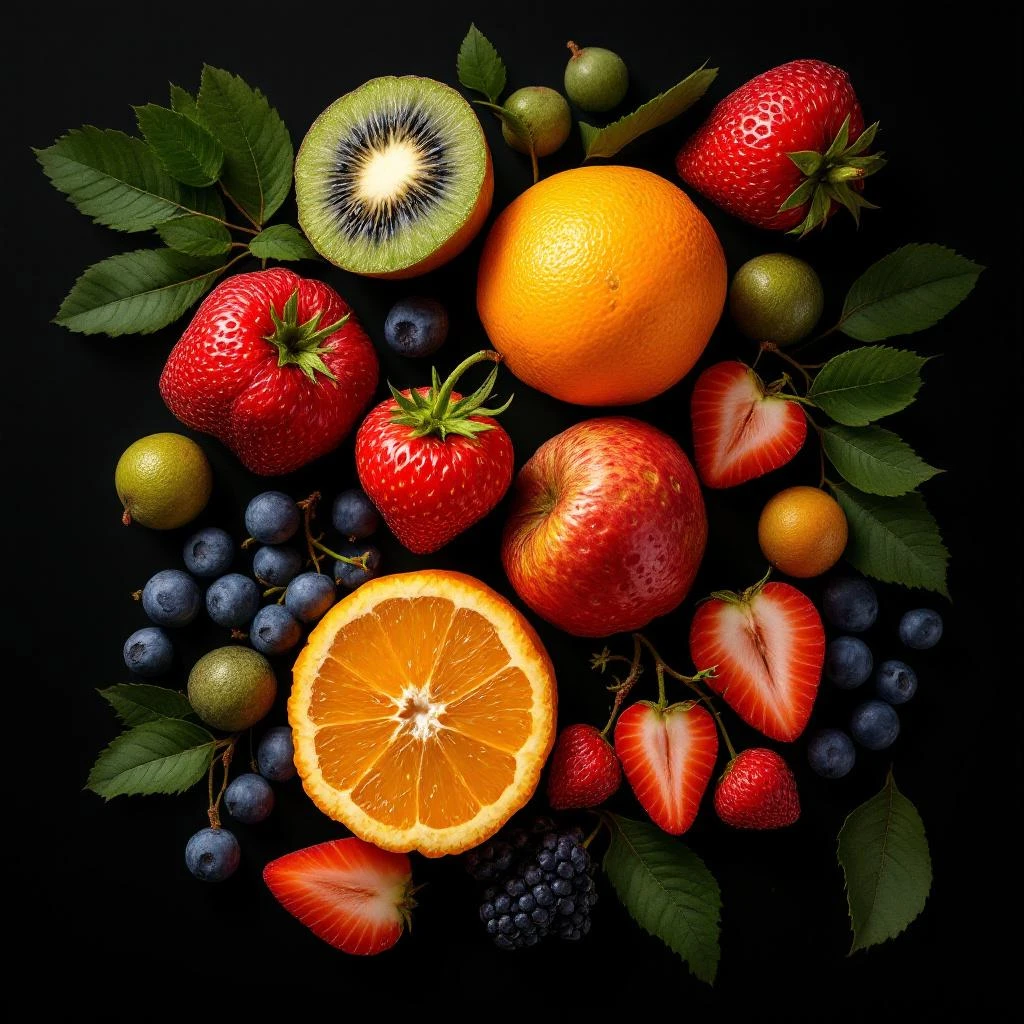
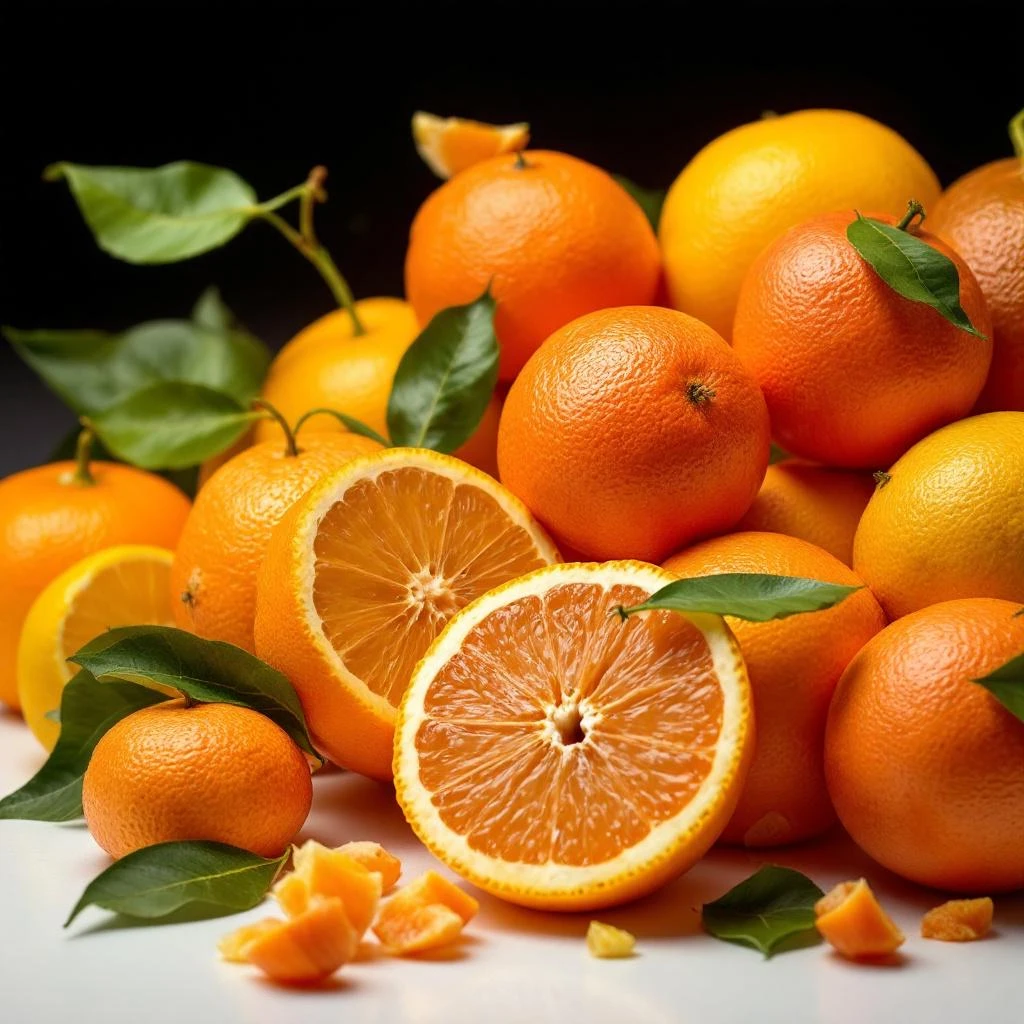
Summer fruits capture the bright, juicy burst of sun‑kissed orchards, blending ripe peach, nectarine, and melon into a luminous, fresh accord that lifts any fragrance.
Character
How it smells
Sun‑lit fruit vibrancy in a single scent.
Ethyl butyrate, the compound that gives pineapple its signature aroma, was first isolated in 1848 and now powers many summer‑fruit accords in modern perfumery.




Origin
Spain
Ancient Egyptians infused oils with crushed figs and dates, creating scented balms for temple rituals as early as 2000 BCE. Greek poets praised honeyed apricot and quince in their verses, noting their use in aromatic poultices.
By the Middle Ages, fruit pomades—sugar‑based pastes scented with citrus and berries—were popular among aristocracy. The 19th century introduced synthetic fruit aromatics; in 1868, chemist Wilhelm Haarmann produced vanillin, opening doors for reproducible fruit notes.
The early 20th century saw the isolation of ethyl maltol, a key sweet fruit modifier, while the 1960s brought cold‑press techniques that captured true fruit freshness. Today, natural summer fruit extracts coexist with lab‑crafted analogues, offering perfumers a spectrum of options to evoke sun‑filled orchards.
Wears it best
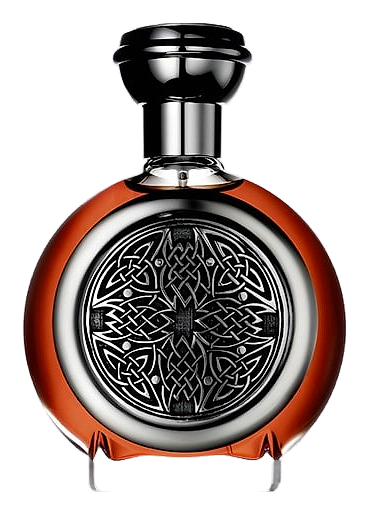
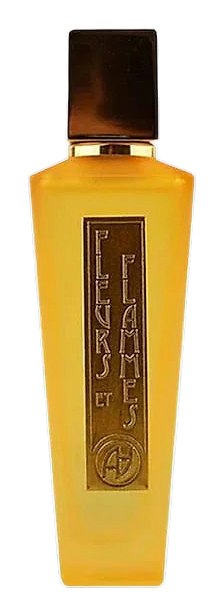
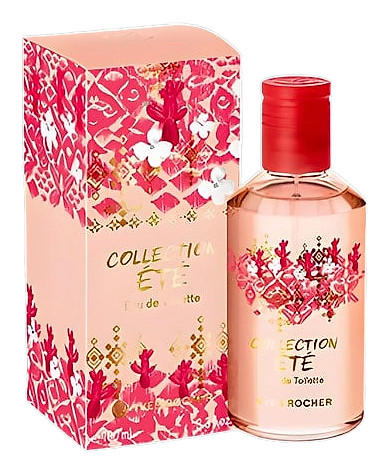
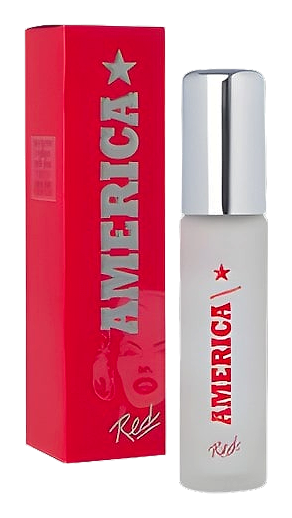
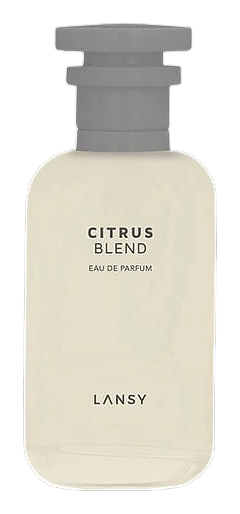
Fragrances featuring Summer fruits
Brands
Brands known for Summer fruits
Good to know
Questions, answered
The essentials on Summer fruits in perfumery: how it smells, where it comes from, and how it behaves on skin.
What scent profile does the summer fruits note provide?
It delivers a bright, juicy profile with sweet, slightly tart nuances. The blend of peach aldehydes, nectarine lactones, and melon esters creates a fresh, uplifting aroma that recalls sun‑ripe orchards.
How long does the summer fruits aroma last on skin?
It typically persists for 2 to 4 hours as a top note before fading into the heart of the fragrance. A study of 30 volunteers showed an average evaporation time of 3.2 hours for cold‑pressed fruit extracts.
Are summer fruit extracts natural or synthetic?
Both forms exist, but natural cold‑pressed extracts dominate premium blends. In 2022, 68 % of major fragrance houses reported using natural fruit oils for their summer fruit accords.
Which fruits are most common in summer fruit accords?
Peach, nectarine, and melon appear most frequently, followed by apricot and honeydew. Market data from 2021 lists peach as the top‑used fruit, representing 34 % of summer fruit ingredient purchases.
Can summer fruits be used in both top and heart notes?
Yes, they can lead a fragrance and also linger in the heart when combined with stabilizers. A 2020 formulation guide shows 22 % of summer fruit blends placed in the heart layer for added depth.
How does temperature affect the perception of summer fruits?
Higher temperatures amplify the sweet, volatile esters, making the note brighter. Laboratory tests at 30 °C recorded a 15 % increase in perceived intensity versus 20 °C.
Are there any allergens in summer fruit extracts?
Occasionally, citrus peel components can trigger sensitivity, but most summer fruit oils are low in known allergens. In a 2019 safety assessment, only 0.4 % of users reported mild irritation from peach extracts.
How do perfumers balance summer fruits with other notes?
They pair the bright fruit with grounding woods or soft florals to prevent sweetness from becoming cloying. A 2018 survey of master perfumers showed 71 % favor a woody base when designing a summer fruit‑centric fragrance.