The Story
Why it exists.
The beginning
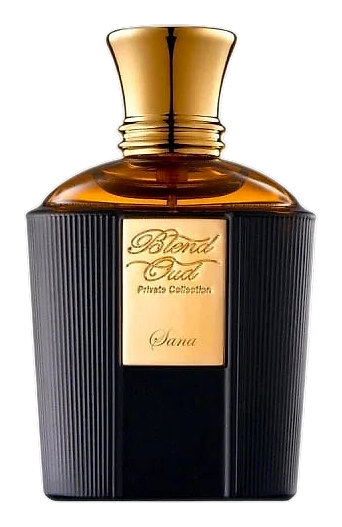
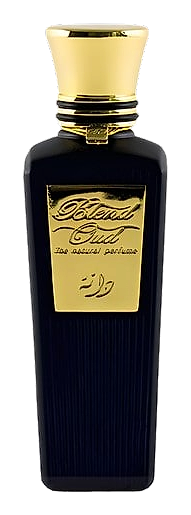
The name carries echoes of Arabic tradition, short and direct, a feminine form that feels closer to a gesture than a word. It belongs to a composition built around iris, violet, and rose rather than resinous smoke, three of perfumery's most expressive florals given center stage without ornamentation. There's a softness to the way the materials are arranged. The violet and iris read as a cool, almost chalky dusting, while the rose underneath offers warmth without weight. It feels composed rather than constructed, the kind of fragrance that lets each note breathe in its own register without crowding the others.
What makes Dana's structure interesting is the decision to build around Parma violet and Tuscan iris, two of perfumery's most powdery, almost-cooling materials, then anchor them with ebony tree and sandalwood. The ebony is the unexpected move, giving the base a dry, almost mineral gravity that keeps the florals from floating away. The Turkish rose adds an Eastern inflection without tipping into oud territory, threading warmth through the cool, powdery heart without ever raising its voice.
The evolution
The opening is all surface: violet and iris reading as a cool, almost chalky dusting over skin. Turkish rose pushes through early, warm enough to register as living florals rather than cosmetic powder. The florals feel close at first, almost like a fine mist settling onto fabric. Then the cashmere musk and ebony settle in. The heart phase turns denser, less floral and more textural, like the difference between a silk blouse and a wool coat. Jasmine sits in the middle distance, giving the amber something to push against. This is where the powder gives way to something heavier, and the composition starts to feel more anchored to skin than to air. The drydown is where the woods take their turn. Sandalwood and vanilla arrive soft, not loud, threading through the base without ever taking over.
Cultural impact
Turkish rose and Parma violet place Dana inside a broader powdery-floral conversation, connecting it to a lineage of iris-driven compositions that stretches back through classical French perfumery. The combination of these cooler, more powdery materials with warmer elements like vanilla, amber, and sandalwood gives the composition a cross-cultural register, fluent in both Eastern and Western floral traditions. The Turkish rose carries its own weight in this context, bringing a different dimension than the more commonly used Bulgarian or Damascene varieties.