
The Story
Why it exists.
The beginning
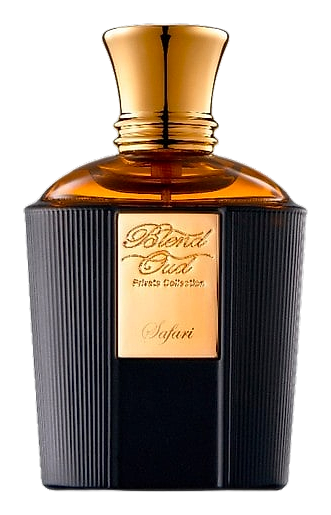
The name says everything. Safari, not the tourist version, but the real one. The open vehicle, the dust, the moment the road runs out and the land doesn't. Released in 2016 as part of Blend Oud's Private Collection, this fragrance was built around a simple proposition: what does freedom smell like? Not metaphorically. Actually. The answer the perfumer arrived at involved incense smoke, coriander's wild green bite, and a base of tobacco pulling against oakmoss, materials that don't ask permission, that exist on their own terms, that make no promises about being liked.
What makes Safari unusual in the woody-oud landscape is the oakmoss. It's been quietly rationed across the industry since IFRA restrictions tightened in the early 2010s, and most houses use it minimally or replace it entirely. Safari doesn't hedge. The oakmoss is there, dry and forest-floor green, doing exactly what moss has always done, grounding everything above it, pulling the sweetness down to earth. Paired with tobacco, it creates a base that feels weathered, not polished. That's the tell. This isn't oud as luxury accessory. It's oud as something that got left outside.
The evolution
The opening hits skin like smoke meeting cold air, incense first, then lemon's citrus brightness, then coriander asserting itself with a green, almost camphorated sharpness that nobody would call safe. It lasts maybe ninety minutes before the heart takes over. The heart is where it gets interesting. Patchouli and oud arrive together, dark and resinous, supported by papyrus, that dried-bark dryness, and rosewood adding a quiet, warm woodiness underneath. It shifts the composition from herbal to earthy, from something that could belong to a kitchen to something that belongs to the ground. The drydown is where Safari earns its name. Tobacco and oakmoss, settled close, intimate, warm. The oakmoss doesn't project, it whispers. The tobacco doesn't sweeten, it dries. On fabric, it lingers for hours after the skin has moved on. The sillage moderates after the first two hours. After four, it's a skin scent. After eight, it becomes a memory of somewhere you haven't been yet.
Cultural impact
Safari occupies a specific corner of the niche fragrance world, the one that values earthiness over sweetness, that uses oakmoss without apology, that doesn't smooth its edges for broader appeal. It's the kind of composition that the woody-chypre enthusiast seeks out specifically, knowing exactly what they're after. The 2016 niche landscape was crowded with oud-forward releases, many of them leaning into the same sweet-resin territory. Safari went the other direction. That's what keeps it interesting.