The Story
Why it exists.
The beginning
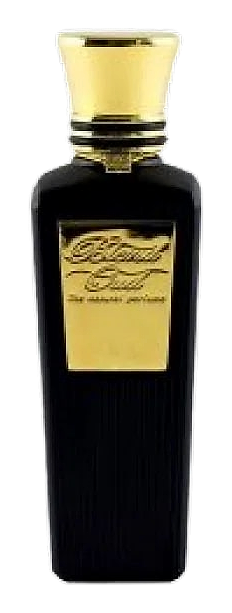
Mazyon arrived in 2013 as part of Blend Oud's Original Collection. What makes Mazyon interesting is its restraint. Where many oud-adjacent compositions lean heavily on resinous smoke and animalic depth, Mazyon turned elsewhere: white florals lifted by an unexpected herbal edge, then grounded in musk. It's a quieter statement from a brand built around precious materials. The jasmine sambac reads clean and almost translucent, touched by a cool eucalyptus lift that keeps the sweetness honest. Beneath it, cashmeran adds a soft woody-musky cushion, and the white musk and ambergris lock everything down to skin. Fewer ingredients means each one has to earn its place, and that's exactly the philosophy you can smell in the bottle. Nothing here is filler. Nothing is loud.
Jasmine sambac as a solo opening is a commitment. Mazyon skips any cushioning brightness and lets the flower speak for itself, indolic and creamy with that dense sweetness only sambac delivers. Then the eucalyptus arrives, and that choice reshapes everything. Eucalyptus in a floral-oriental context is unusual, almost clinical, and it forces the jasmine to read cleaner and greener than it would alone. The cool mentholated snap cuts against the warm indolic softness, and for a moment the two are arguing.
The evolution
The first ten minutes belong entirely to jasmine sambac, and not the polite, soapy version. This is the indolic side, the dense almost-fruity sweetness that sits just under the threshold of something overripe. Then eucalyptus arrives, and the temperature drops. There's a clean, mentholated coolness that cuts through the flower's warmth like opening a window in a warm room. It's jarring for about thirty seconds, then it becomes the most interesting thing happening. The cashmeran emerges slowly, that woody-musky material that smells like warm suede or sun-warmed skin, and it pulls the eucalyptus back into softness. As the composition develops, it settles into something unified: the jasmine now reads as a memory of itself, softer and more diffused, the eucalyptus has dulled to a faint green hum, and cashmeran carries the weight.
Cultural impact
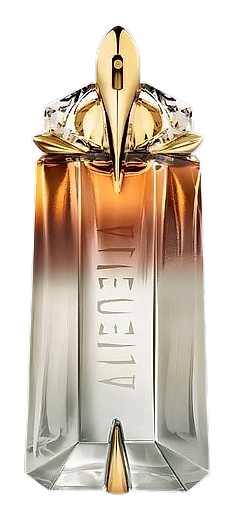
Mazyon occupies an interesting corner of the oriental category: it's from a house named after oud but barely references the material itself. One reviewer noted a kinship with Mugler's Alien Musc Mystérieux, a comparison that makes sense given how the jasmine and musk stack together in a similar creamy-amber architecture. The eucalyptus-jasmine pairing sets the scent apart from both mainstream flankers and traditional Arabian heavy hitters. It reads as something closer to niche European florals at first, then reveals a warmer, more resinous undertone as it dries down.