The Story
Why it exists.
The beginning
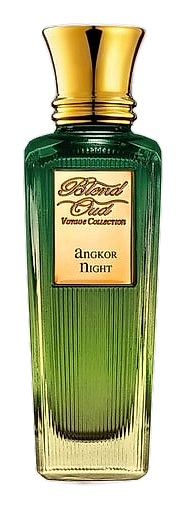
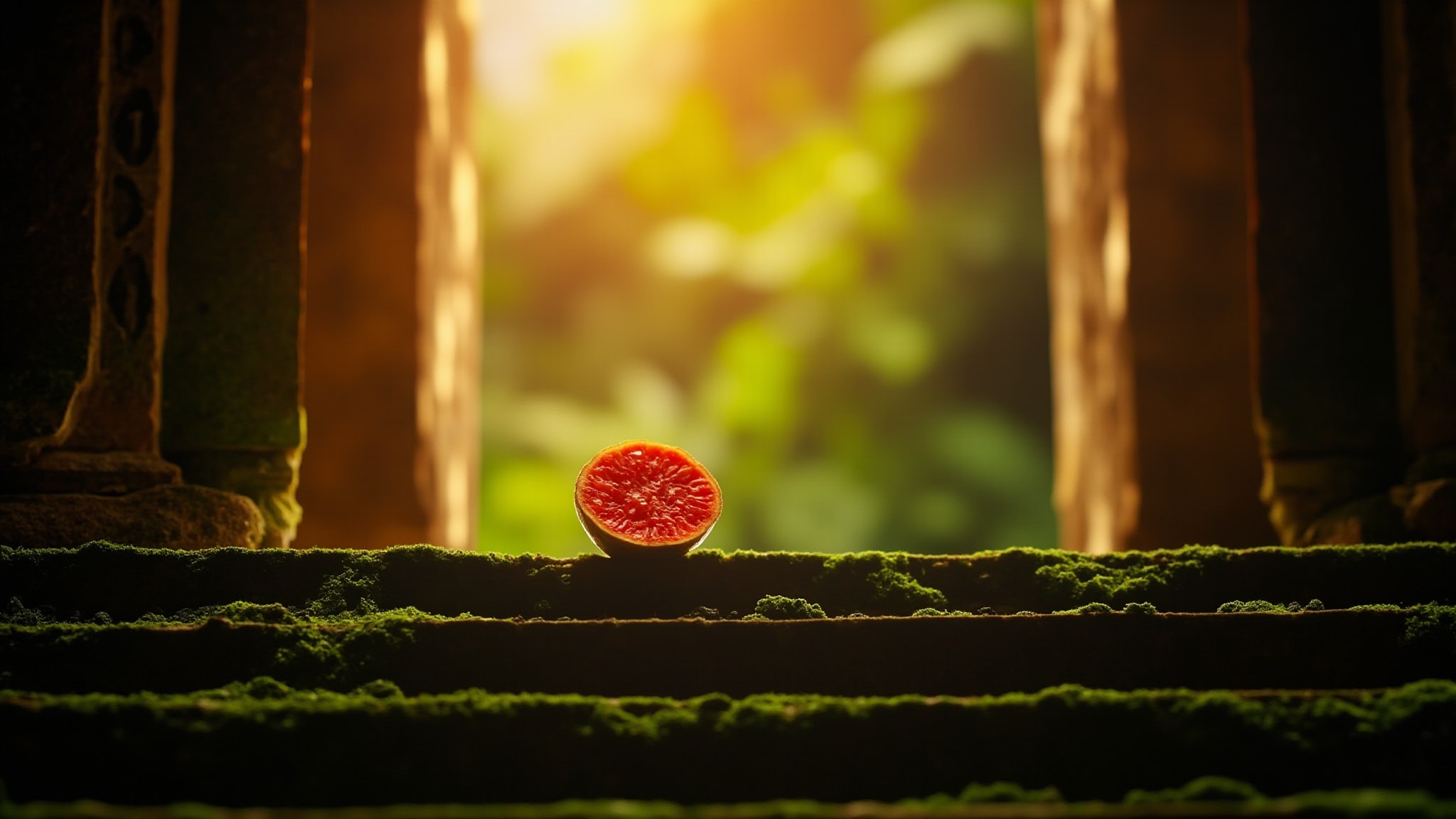
Angkor was the capital of the Khmer Empire, a sprawling 12th century city of temples consecrated to Vishnu. Then it fell. By the 15th century, the inhabitants left and the jungle moved back in. Four hundred years of silence. Roots through stone. Vines pulling down walls. When French explorer Henri Mouhot rediscovered it in 1860, he found a place where architecture and tropical nature had become inseparable. Not ruins. A conversation between civilizations. Angkor Night isn't named for the temples themselves. It's named for the long, magical night that fell over those stones, the hours when the heat breaks, when the jungle exhales, when what was forgotten starts to feel like a secret worth keeping.
The fragrance takes its structure from that duality. Lavender opens crisp and green, the freshness before dark. Red fruits add a faint sweetness that could be mango on warm air, could be nothing at all. At the heart, juniper and white rose keep things clean. The oud doesn't arrive with a statement, it surfaces slowly in the base, more warm wood than resin, more presence than shout. What makes this composition work is restraint. Oud is one of the most expensive materials in perfumery, prized for depth and intensity. Blend Oud chose to use it quietly, letting cedar and hinoki do the heavy lifting, letting tonka and vanilla provide warmth without sweetness that cloys.
The evolution
The opening is immediate: lavender hits clean and bright, red fruits barely registering, a whisper of sweetness that keeps the green from sharpening too much. Within minutes, juniper takes over and the whole thing shifts toward an aromatic freshness that feels like standing near incense in cool air. Not smoky. Calm. The heart holds for two to three hours, geranium and white rose don't announce themselves, they soften the juniper into something that could almost pass for herbal tea. Close to the skin. The kind of thing someone notices only when they lean in. Then the base arrives. Cedar first, assertive and dry. Hinoki underneath, adding warmth and that faint camphor-like quality that makes Japanese cypress unmistakable. The oud doesn't roar. It nestles, warm resin, not animalic, not dirty. Tonka and vanilla round the edges. Amber catches the light.
Cultural impact
The name Angkor draws inspiration from the ancient temples of Cambodia, a civilization renowned for its rich spiritual traditions and aromatic heritage. Lavender, prevalent in many fragrance traditions, contributes its characteristic coolness and clean quality. Red fruits, prevalent in tropical landscapes, add a subtle brightness to the composition. This fragrance speaks to a universal appreciation for calming, sophisticated fragrances that balance heritage with modern sensibility. The blend invites discovery across cultural boundaries, creating something that feels both grounded and transcendent.