The Story
Why it exists.
The beginning
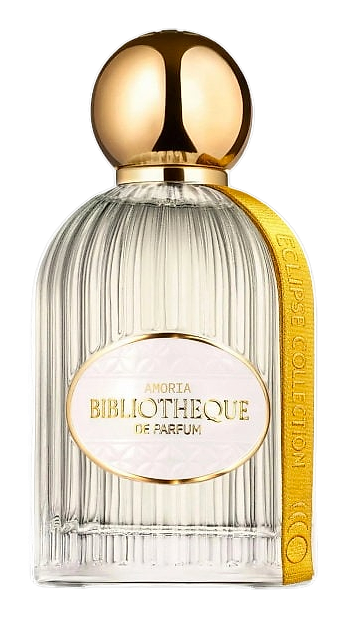
Amoria joined Bibliothèque de Parfum's Eclipse Collection in 2026, a chapter in the house's catalogue. Amoria reads like the sunlit one. Where other entries in the catalogue lean into storms or starlight, this composition turns toward warmth, ripeness, the kind of abundance that arrives at the height of summer and doesn't apologize for itself. The name itself borrows from amor, love, but not the cautious kind. The kind that spills over. The opening is generous and immediate, pouring out mango and blackberry in a rush of fruit that feels less like a garnish and more like a centerpiece. There's no slow build here, no polite introduction. Amoria announces itself the way ripe fruit announces itself, by being impossible to ignore.
The note structure is deliberately uncomplicated, and that restraint is the point. Amoria's question is small and direct. Can a mango note read as sophisticated rather than syrupy? The answer comes from the pairing with black pepper's quiet heat and orris root's powdery depth, both of which keep the fruit from tipping into juice-bar territory. The praline and cream at the base do the rest, pulling the composition toward something closer to pastry than cocktail. The interplay between these materials is what gives Amoria its quiet authority.
The evolution
The first thirty minutes are all fruit, loud and unapologetic. Blackberry and red berries give the mango company, while black pepper adds a faint shimmer underneath, more suggestion than statement. There's a syrupy sweetness here that some will love and others will find too much. By the second hour, the lotus and jasmine arrive, bringing a softness that rounds the fruit's edges. Orris root steps in with its powdery iris warmth, pulling everything toward something more grounded, adding a cool, almost stony smoothness that keeps the syrup in check. Then the drydown takes over, and this is where Amoria earns its place. The cream note isn't dairy-sweet; it reads like cream that's been folded into vanilla, softened by vanilla's quiet hum and praline's nutty undertone. The result is closer to a confection that's been left out just long enough to lose its sharp edges.
Cultural impact
Amoria arrives as part of the Eclipse Collection, a grouping that includes several compositions from the house. It's the kind of release that expands what the brand can be, offering something warmer and more indulgent than its usual register. This is the daylight offering: approachable, tactile, and unapologetically sweet without being simple. The fragrance sits within a wider landscape of creamy, gourmand-adjacent compositions that have found audiences in niche perfumery, though its orris-root backbone and pepper-driven edge distinguish it from simpler fruit-forward fare.