The Story
Why it exists.
The beginning
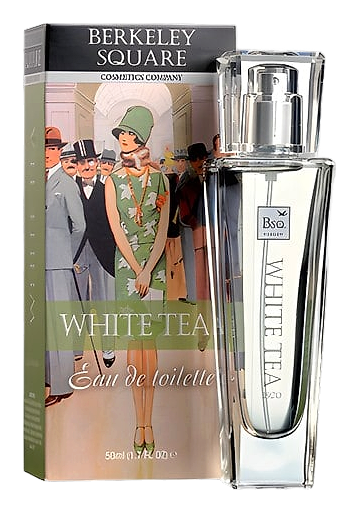
The Berkeley Square white collection takes the concept seriously, white as a color, a mood, a material. White Tea is the result of asking what 'white' actually smells like. Not bold. Not dark. Luminous, clear, and precise. The Amalfi lemon cuts sharp at the top, but the white tea at the center of the composition is the real protagonist, cool, slightly astringent, the scent of clarity itself. Berkeley Square built the white collection around this idea: each fragrance an exercise in restraint, and White Tea the purest expression of the concept. The herbal notes arrive as a natural counterpoint, sage and lavender lending depth where a lighter fragrance might simply disappear. It's composed with the kind of confidence that doesn't need to announce itself.
Tea as a note in perfumery walks a narrow line. Too little and it reads as plain fresh; too much and it tips into medicinal. In White Tea, the note sits exactly where it should, cool and slightly astringent, mineral and green, with an astringency that clears the air rather than filling it. Sage and lavender don't fight the tea; they give it somewhere to land. Gardenia adds cream without sweetness, and the tincture of rose, an unusual inclusion, brings a quiet formality that elevates the whole composition without adding weight. The herbal-floral combination is what makes this feel considered rather than simple. It holds interest because it refuses to be obvious.
The evolution
The opening announces itself clearly: Amalfi lemon and white tea, bright and green, a cool citrus sharpness that feels almost mineral. The tea deepens within minutes, becoming less distinct and more atmospheric, a green quality rather than a specific note. This phase lasts the longest, two to three hours, as the herbs arrive. Sage and lavender don't compete with each other; they layer, creating an aromatic complexity that rewards attention. The gardenia emerges quietly in the heart, creamy and measured, before the rose tincture adds a note of quiet formality. The transition to the base is gradual. Musk and amber take over, warm and clean, with the tonka bean adding a powdery softness that keeps the drydown luminous rather than heavy. White Musk clings closest, close to the skin, intimate, a second layer that lasts into the afternoon. The scent doesn't project aggressively. It stays close and lingers. That's the trade-off: no room-filling presence, but hours of close, considered warmth that feels almost personal.
Cultural impact
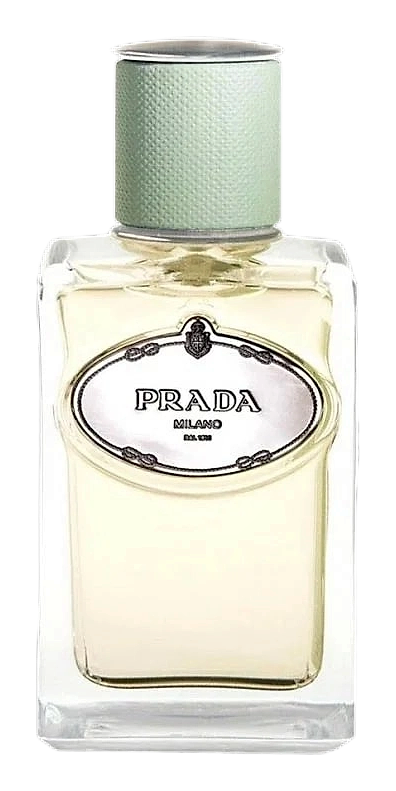
White Tea belongs to the quieter corner of the fragrance world, light green florals with an herbal backbone, clean without being generic. the community places it alongside Hermès Un Jardin en Méditerranée, Cacharel Noa, and Prada Infusion d'Iris, though Berkeley Square's version leans more herbal and garden-like than most of those peers. The community split is notable: admirers appreciate its restraint and the way it lasts well beyond what the name suggests, while critics find it too subtle or too familiar, one reviewer reached for the fabric softener comparison. That divide is the most honest thing about it. White Tea is not trying to be remarkable. It's trying to be right.