The Story
Why it exists.
The beginning
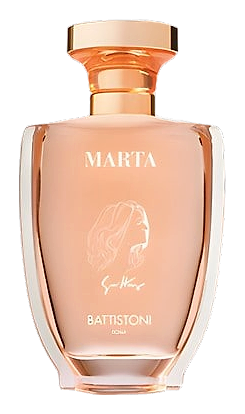
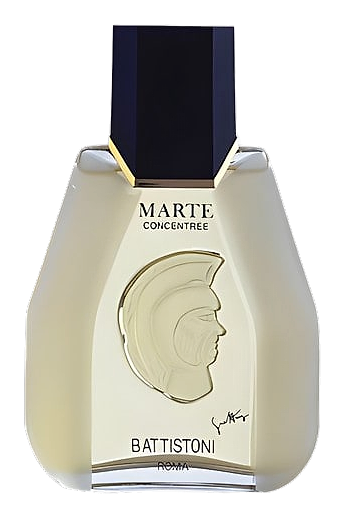
Marta arrived in 1986 as Battistoni's answer to a changing fragrance landscape. By the mid-eighties, Italian fashion houses were expanding beyond clothing into lifestyle, scent became the final layer of the look. Battistoni, already known for the durable Marte masculine line, wanted something that could stand beside it. Not a derivative flanker. A counterpart. Marta was built to be that fragrance: the one a woman would reach for when she wanted something that smelled like precision, like intention, like knowing exactly who she was. The name itself matters. In Italian, Marta carries associations with warmth and domesticity, but Battistoni wasn't interested in soft. They wanted a fragrance that dressed the skin the way a well-tailored coat did: with structure underneath the comfort.
What makes Marta structurally interesting is the ambrette seed base. Ambrette, derived from musk mallow, was a cornerstone of perfumery before synthetics became dominant, and its resurgence in niche and heritage fragrances owes everything to its ability to smell animalic without the ethical baggage. In Marta, ambrette does quiet work: it bridges the fruity-floral heart and the earthy patchouli, creating a drydown that feels cohesive rather than fragmented. The heart also carries an unusual pairing: osmanthus and pink pepper. Osmanthus brings a apricot-like sweetness that's rarely used outside niche Japanese fragrances, while pink pepper adds a subtle spice that keeps the rose from becoming saccharine.
The evolution
The opening hits quickly: angelica and mandarin orange arrive crisp and almost medicinal, a sharpness that most wearers either love or find jarring within the first two minutes. The coriander underneath provides an herbaceous counter, not green exactly, but savory. Then the peach arrives, and everything softens. The citrus recedes, the sweetness blooms, and you're in the floral heart before you realize the transition happened. The heart is where Marta earns its reputation. Osmanthus and rose together create something that smells like dried petals pressed between the pages of a book, slightly sweet, slightly dusty, unmistakably feminine. The pink and white peppers don't announce themselves; they simply add dimension, keeping the rose from lying flat. This phase lasts the longest on most skin types, typically 3-4 hours. The drydown is where the vintage character lives. Patchouli arrives earthy and grounding, but the ambrette seed pulls the whole thing toward powdery warmth.
Cultural impact
Marta occupies a specific corner of fragrance history: the Italian heritage house fragrance that wasn't trying to compete with Chanel or Dior on their terms. It was trying to offer something for the Battistoni woman, someone who dressed with intention, who wanted scent to complete rather than announce. The composition reflects this restraint. No blockbuster projection, no aggressive sillage. Just a quiet confidence that ages well.







![Marte [collezione Privata] Pepe & Vetiver by Battistoni](/assets/static/bottle-10.BjjcTzVt.png)