The Story
Why it exists.
The beginning
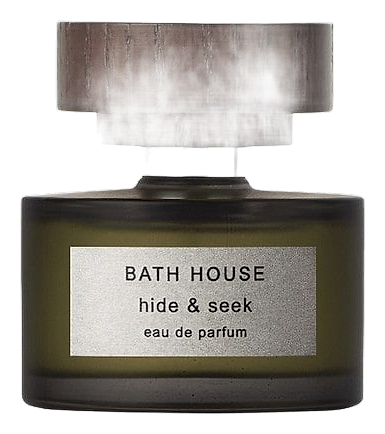
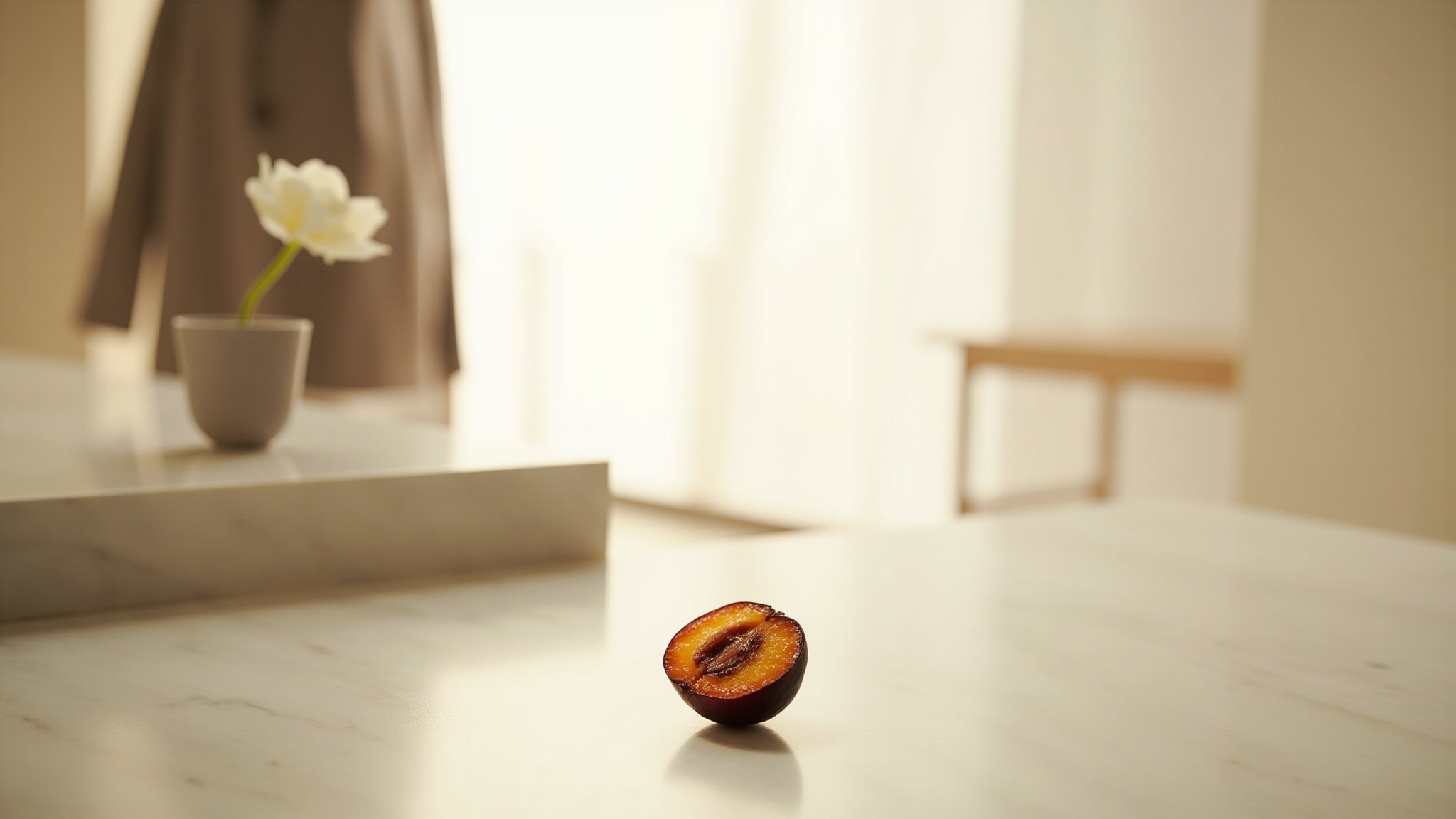
Hide And Seek enters Bath House's catalogue as something lighter on the shelf, a fragrance that leans toward sweetness rather than the dense, meditative territory where oud-led compositions tend to live. The structure reads almost like a confection built around plum and white florals, dressed up with a warm, ambery base that gives it shape and staying power. Where many Middle Eastern-adjacent launches lean on smoke and resin for their gravity, this one plays a different game. The plum up top is juicy and immediate, bright in a way that reads more like ripe fruit than sparkle, and it sets the tone before the florals even arrive.
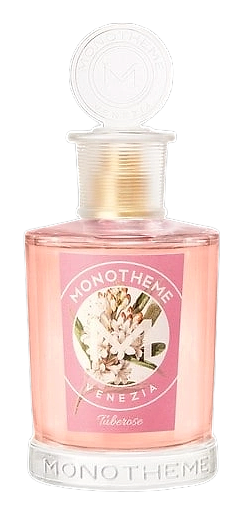
What makes the structure interesting is the way the plum up top sets up a kind of bait-and-switch with the heart. Plum is fruity, almost edible, and it primes you to expect something simple. Then the florals arrive, and the fragrance gets serious. Tuberose brings a creamy, almost buttery density, the kind of white floral that reads as both lush and slightly medicinal. Jasmine adds its indolic edge, sweet and a little dirty, the note that does most of the talking in the heart.
The evolution
The opening is where the plum does its work, and it doesn't hold back. The first fifteen minutes are juicy, almost candied, with a ripeness that feels closer to a fruit compote than a fresh-picked plum. There's a dark edge to it too, a faint wine-like quality that keeps the sweetness from reading childish. It's bold, and it's meant to be. Within the first half hour, the plum starts to share space with the florals. Tuberose is the first to make itself known, arriving with a creamy, almost buttery weight that softens the fruit's sharper edges. It smells like petals, but also like something slightly medicinal, in the best possible way. Jasmine follows close behind, lifting the heart with its indolic sweetness, the part of the composition that does most of the emotional work.
Cultural impact
Hide And Seek represents a particular kind of sweetness in a category often dominated by smoke, oud, and resin. Where many fragrance houses in its orbit lean toward the meditative and the dense, this composition steps toward something more openly pleasurable, built around plum, white florals, and a warm, ambery base. The plum up top reads as a confident choice, fruity without being juvenile, and it sets a tone that the rest of the composition honors. The heart of tuberose, jasmine, and ylang-ylang carries the indulgence further, leaning into the narcotic, creamy side of white florals rather than their cleaner, soapier expressions.
The House
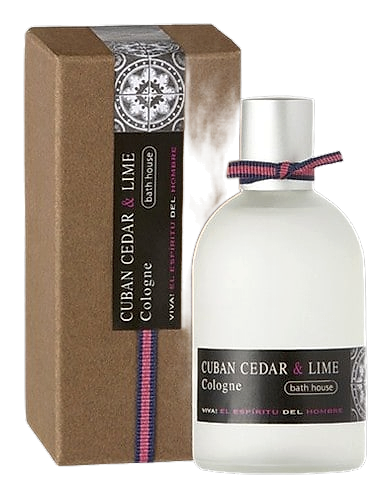
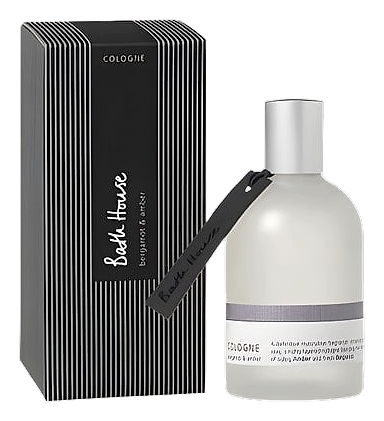
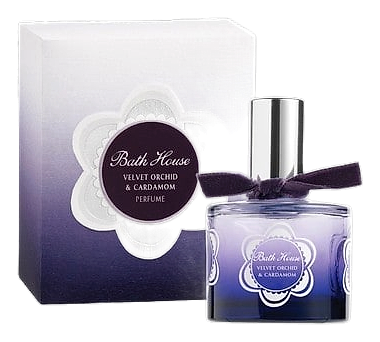
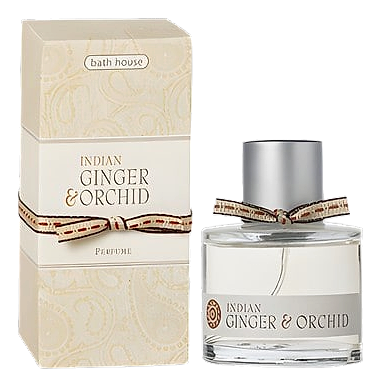
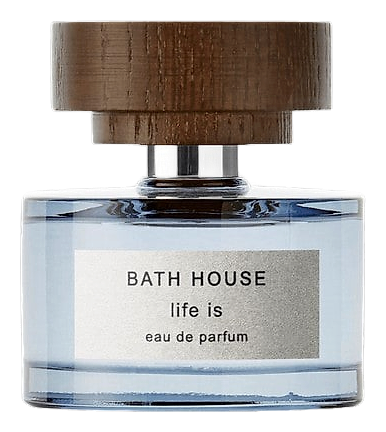
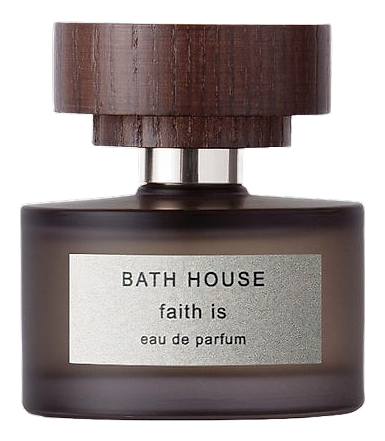
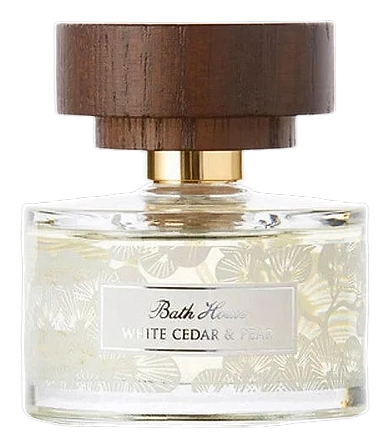
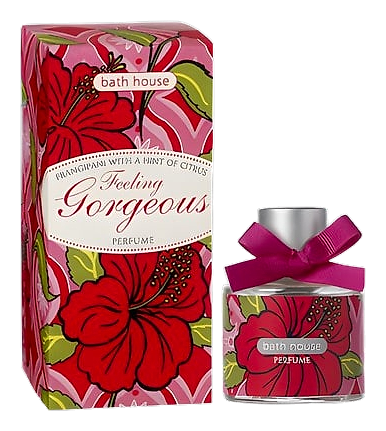
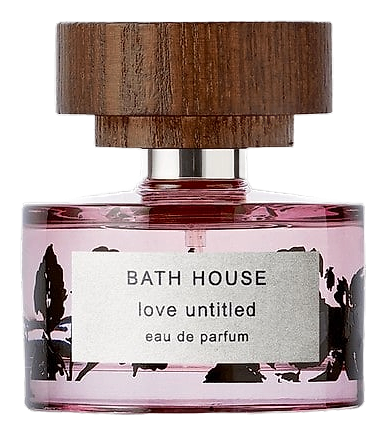
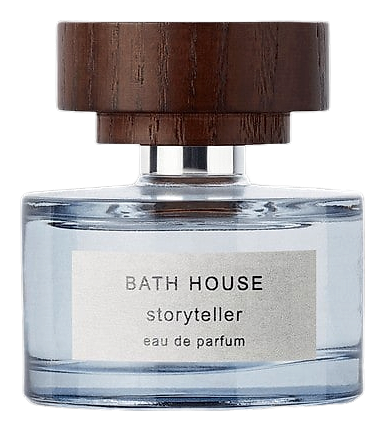
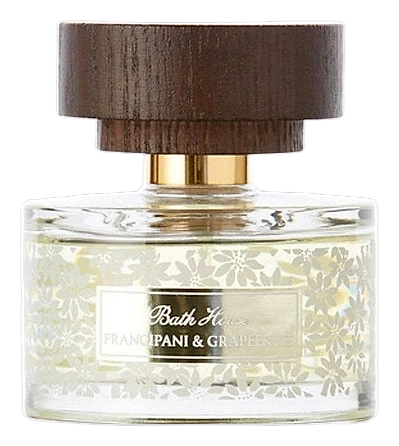
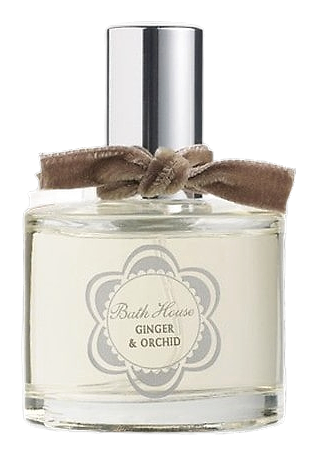
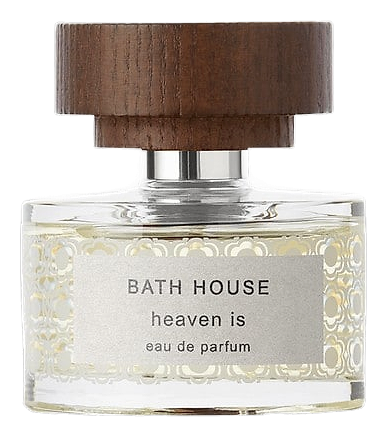
Bath HouseBath House, often styled as Laurel Bath House, is a contemporary fragrance label that focuses on clean, gender‑neutral scents. Launched in the early 2020s, the brand offers a rotating catalogue that includes Slate (2021), Ginger & Orchid, Heaven Is (2021), and the recent Roses For Keats (2023). Each composition is built around a single narrative note, allowing wearers to experience a moment rather than a layered story. The line is sold through a curated online platform and selected boutique retailers, positioning it as a niche alternative to mainstream perfume houses.
The Creator
Ruth MastenbroekRuth’s signature technique rests on precise layering. She builds a base of clean, mineral notes, often a blend of white pepper, ozonic aldehydes, and soft cedar, then adds a heart of rare florals such as Bulgarian rose or Madagascan ylang‑ylang.