





    Brand Profile

    Bath House, often styled as Laurel Bath House, is a contemporary fragrance label that focuses on clean, gender‑neutral scents. Launched in t…More

    United States·Est. 2020·Site

    2

    Fragrances

    4.2

    Rating

    24
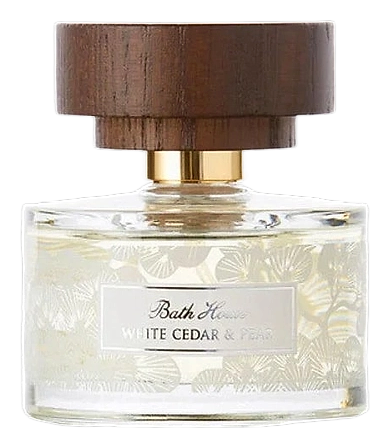
    White Cedar & Pear by Bath House
    Best Seller
    4.7

    White Cedar & Pear

    Slate by Bath House
    Best Seller
    4.8

    Slate

    Heaven Is by Bath House
    Best Seller
    4.5

    Heaven Is

    Ginger & Orchid by Bath House
    4.5

    Ginger & Orchid

    Spirit by Bath House
    4.5

    Spirit

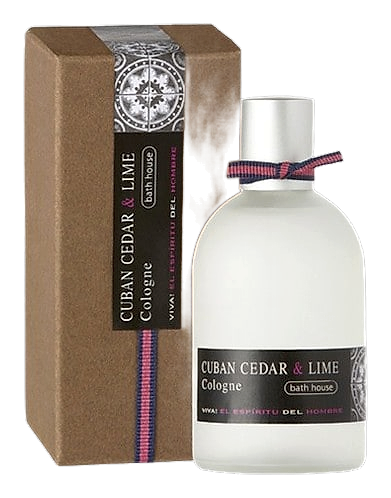
    Cuban Cedar & Lime by Bath House
    4.3

    Cuban Cedar & Lime

    Velvet Orchid & Cardamom by Bath House
    4.3

    Velvet Orchid & Cardamom

    Faith Is by Bath House
    4.3

    Faith Is

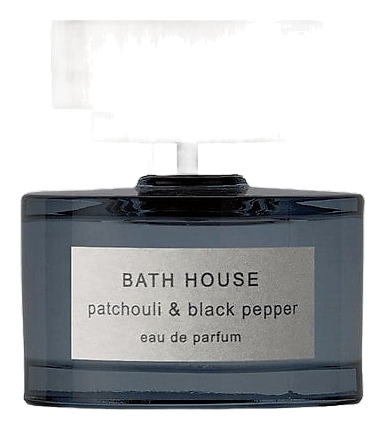
    Patchouli & Black Pepper by Bath House
    4.2

    Patchouli & Black Pepper

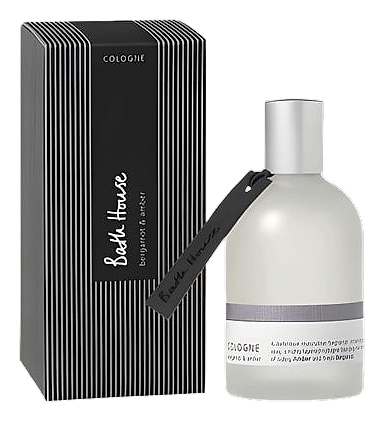
    Bergamot and  Amber by Bath House
    4.1

    Bergamot and Amber

    Love Untitled by Bath House
    4.0

    Love Untitled

    Life Is by Bath House
    4.0

    Life Is

    1 of 2

    The Heritage

    The Story of Bath House

    Bath House, often styled as Laurel Bath House, is a contemporary fragrance label that focuses on clean, gender‑neutral scents. Launched in the early 2020s, the brand offers a rotating catalogue that includes Slate (2021), Ginger & Orchid, Heaven Is (2021), and the recent Roses For Keats (2023). Each composition is built around a single narrative note, allowing wearers to experience a moment rather than a layered story. The line is sold through a curated online platform and selected boutique retailers, positioning it as a niche alternative to mainstream perfume houses.

    Heritage

    The company traces its origins to a partnership between David Teitelbaum and a small group of fragrance chemists who shared a frustration with the opacity of the traditional perfume market. In 2020, they established Laurel Bath House in New York City with the intent to create transparent, sustainably sourced scents that could be understood by anyone. Early funding came from a combination of angel investors and a modest crowdfunding campaign that highlighted the founders' commitment to clean ingredients. By 2021, the brand released its first wave of fragrances, including Slate and Heaven Is, both of which received coverage in independent fragrance blogs for their minimalist compositions. In 2022, Bath House announced a partnership with a certified compostable packaging supplier, replacing plastic caps with biodegradable alternatives. The following year, the brand expanded its scent library with Roses For Keats, a tribute to the Romantic poet that blended natural rose absolute with subtle amber notes. Throughout its short history, Bath House has maintained a small‑batch production model, limiting each release to a few thousand units to ensure quality control and to reduce waste. The brand’s evolution reflects a broader shift in the fragrance industry toward transparency, sustainability, and inclusive marketing, trends that have been documented in trade publications such as Business of Fashion and The Good Trade.

    Craftsmanship

    Each Bath House fragrance is formulated in a small laboratory in Brooklyn, where a lead perfumer collaborates with a panel of chemists to refine the scent profile. The process begins with a brief that outlines the intended mood, followed by the selection of raw materials sourced from certified farms in France, Madagascar, and the United States. Natural absolutes such as rose and sandalwood are combined with a limited number of synthetics that meet the brand’s safety standards. Once a formula is approved, the blend is transferred to a stainless‑steel vat for maceration, a period that can range from two weeks to three months depending on the composition. Quality control includes gas chromatography analysis to verify ingredient purity and batch consistency. Bottles are hand‑filled in a climate‑controlled environment to prevent premature evaporation. The packaging uses 100 % post‑consumer recycled glass and a plant‑based cap that decomposes within twelve months of disposal. All waste water from the production line is filtered through an activated carbon system before being released, aligning with the brand’s zero‑waste ambition. The meticulous attention to each step ensures that the final product delivers the intended olfactory experience while adhering to the brand’s environmental commitments.

    Design Language

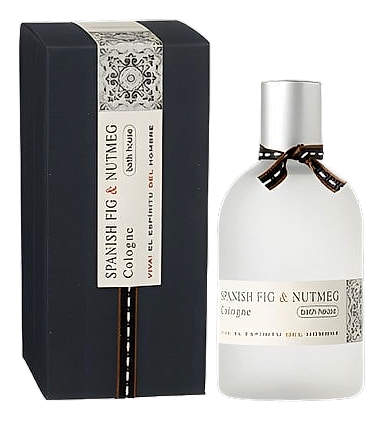
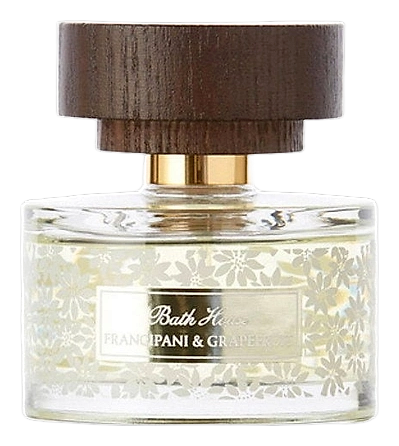
    Visually, Bath House adopts a minimalist aesthetic that mirrors its scent philosophy. Bottles are clear, cylindrical vessels with a thin, matte black label that displays the fragrance name in a sans‑serif typeface. The label’s simplicity allows the liquid’s natural hue to become the focal point, whether it is a pale amber for Heaven Is or a deep teal for Slate. The brand’s website continues this clean design language, featuring ample white space, high‑resolution product photography, and concise copy that avoids hyperbole. Marketing imagery often depicts the fragrances in everyday settings—a coffee table, a wooden bench, a city balcony—reinforcing the idea that the scents are meant for ordinary moments. Seasonal campaigns introduce subtle color accents, such as a soft rose tint for the 2023 Roses For Keats launch, but never stray from the core visual identity. This restrained approach has been noted by design critics as a departure from the ornate packaging typical of legacy perfume houses, positioning Bath House as a modern, approachable alternative.

    Philosophy

    Bath House approaches perfumery as a dialogue between scent and daily life. The founders have repeatedly emphasized that a fragrance should be an honest expression of a single idea, rather than a complex narrative that obscures its core. This philosophy drives the brand’s decision to name each perfume after a concrete image or feeling, such as Slate or Ginger & Orchid, and to publish the exact proportion of each ingredient on its website. Sustainability is woven into the creative process; the team selects raw materials that are either organically farmed or derived from waste streams, and it works with suppliers who can certify traceability. Inclusivity also informs the brand’s direction: the scents are marketed without gendered language, and the packaging features simple typography that avoids traditional luxury cues. By foregrounding clarity and responsibility, Bath House aims to make high‑quality fragrance accessible to consumers who value both aesthetic purity and ethical production.

    Key Milestones

    2020

    Laurel Bath House founded in New York City by David Teitelbaum and a team of fragrance chemists.

    2021

    First fragrance collection released, featuring Slate, Ginger & Orchid, and Heaven Is.

    2022

    Brand partners with a certified compostable packaging supplier, introducing biodegradable caps.

    2023

    Roses For Keats launched, expanding the line with a literary‑inspired scent.

    2024

    Bath House announces a limited‑edition collaboration with a local artist for custom bottle designs.

    At a Glance

    Brand profile snapshot

    Origin

    United States

    Founded

    2020

    Heritage

    6

    Years active

    Collection

    2

    Fragrances released

    Avg Rating

    4.2

    Community sentiment

    Release Rhythm

    2023
    1
    2021
    14
    laurelbathhouse.com

    Did You Know?

    Interesting Facts

    Distinctive details and defining moments that shape the house personality.

    01

    The name "Bath House" references the historic public baths of Europe, places where scent and steam historically intersected.

    02

    Slate was created using a single note of smoked birch wood, a material rarely used in mainstream perfumery.

    03

    The brand’s packaging cap is made from a plant‑based polymer that fully degrades in a home compost bin within a year.

    04

    Bath House conducts an annual scent audit where a panel of non‑perfume professionals rates each new fragrance for clarity and wearability.

    The Artisans

    The Perfumers