
The Story
Why it exists.
The beginning
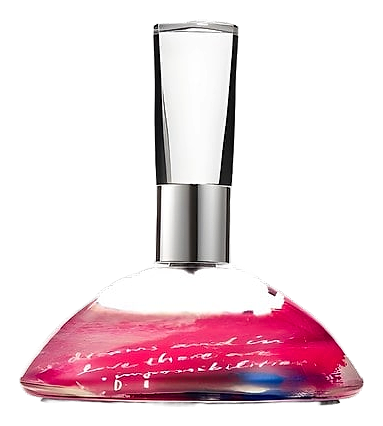
In 2009, Bath & Body Works reached for something with more weight than their usual mists and lotions. P.S. I Love You arrived as part of the Signature Collection, a deliberate step toward complexity, crafted by Symrise perfumer David Apel. The name wasn't accidental. It echoed Cecelia Ahern's bestselling novel (and subsequent film), a story about love letters sent after someone is gone, tender, a little sad, entirely sincere. Apel wanted to bottle that feeling: the giddiness of being someone's secret, the warmth of a promise you can still smell on your skin the next morning.
Rose is everywhere in perfumery. Incense is everywhere in niche. What makes this composition worth your attention is the pairing, the way the Symrise perfumer used each to sharpen the other. Incense makes the rose less precious, more lived-in. Rose makes the incense less austere, more romantic. Between them sits amber: a warm floor that stops either element from floating away. The result isn't a rose fragrance that happens to have smoke. It's a love story that happens to smell like it.
The evolution
P.S. I Love You opens bright and a little tart, peony and litchi announce themselves for the first ten minutes, juicy and uncomplicated. Then the florals take over: rose climbs, lily and jasmine follow, and something resinous begins to surface underneath. That resinous quality is the incense. It doesn't overwhelm, it sneaks in, softening the petals from the inside. By hour two, the florals have settled into a warm hum and the base starts to announce itself: musk, sandalwood, patchouli anchoring everything close to the skin. The drydown is the real tell. It lasts well into the evening, not projecting, not filling the room, just there when someone leans in.
Cultural impact
P.S. I Love You carved out a specific space in Bath & Body Works' lineup: rose-forward enough to appeal to their core customer, smoky enough to feel like something different. It landed in the Signature Collection, where discerning Bath & Body Works shoppers went looking for fragrance with more complexity than the mists. Among that audience, it became a quiet favorite, not a blockbuster, but a scent people remembered and sought out years after its 2009 launch. The frankincense note was unusual for the brand's mainstream positioning, and it created a conversation that the fragrance itself couldn't quite sustain for everyone who tried it.