
The Story
Why it exists.
The beginning
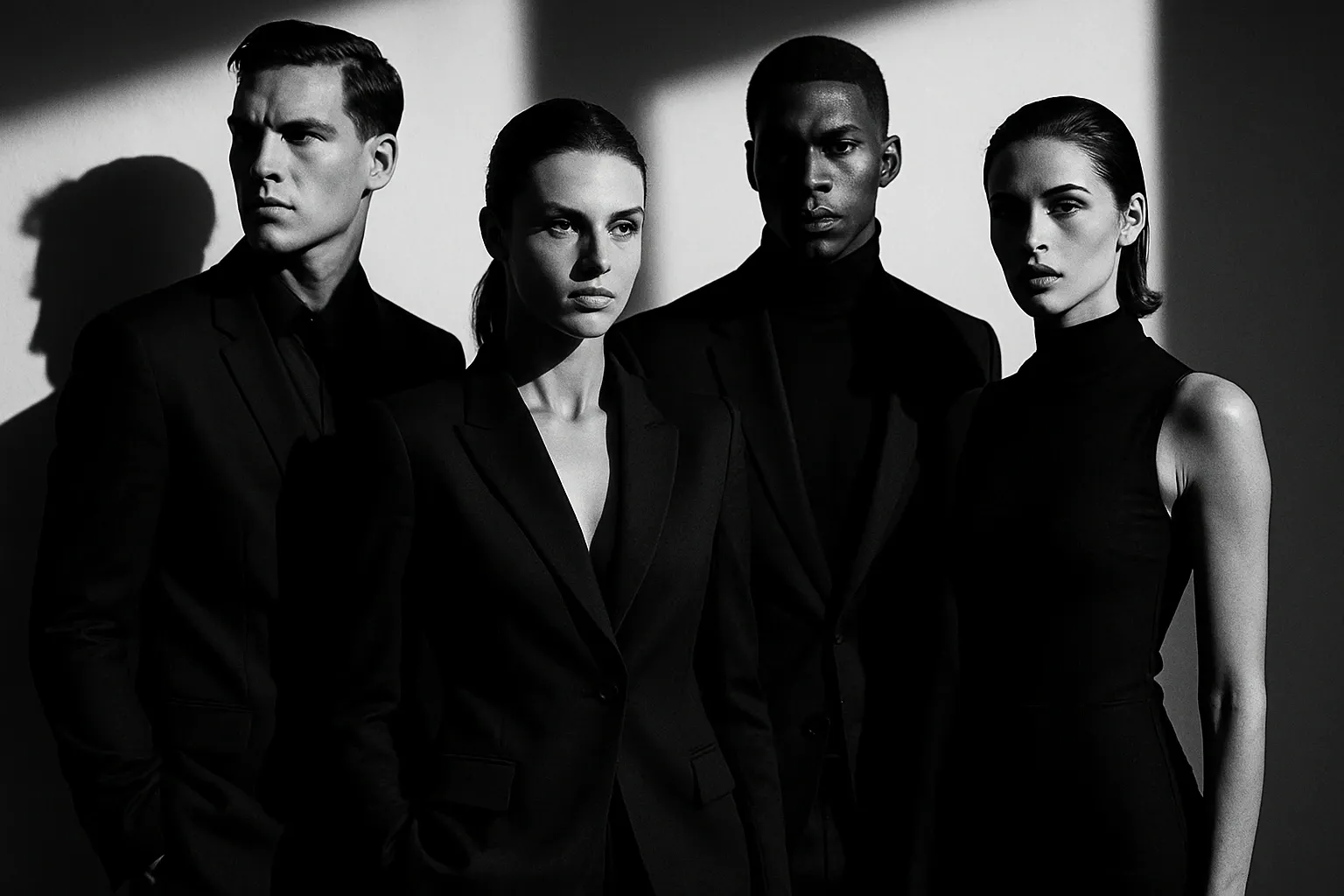
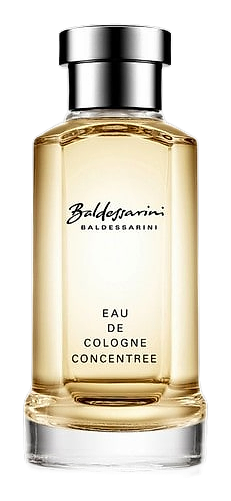
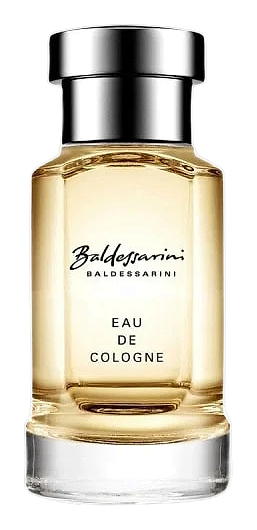
Baldessarini arrived in 2002 as the debut fragrance for a brand that had spent the previous decade dressing men who valued substance over trends. Werner Baldessarini, the Austrian designer who shaped Hugo Boss's evolution from workwear into luxury menswear, had built a philosophy around masculine maturity, clothes for men who had outgrown chasing what was new. The fragrance had to match that energy: confident without being aggressive, sophisticated without being precious. Jean-Marc Chaillan and Pierre Wargnye crafted a citrus-tobacco composition that opened sharp and cooled into something warmer, something that felt like experience rather than performance. Charles Schumann, the legendary Munich bartender, became the face of the campaign, a man whose sophistication came from decades of presence, not effort.
The pairing of citrus with tobacco isn't accidental. In 2002, men's fragrances often leaned into either clean freshness or heavy spice. Baldessarini did both, layering bright tangerine and bitter orange against a tobacco-and-amber base that deepened as it wore. The mint and chamomile add an herbal counterpoint, cool and medicinal, a restraint that makes the tobacco feel earned rather than obvious. It's a fragrance built for the hour when the performance ends and the person remains. The cloves bring a faint warmth, the kind that doesn't announce itself but makes the room feel inhabited.
The evolution
The opening hits with immediate citrus, tangerine and bitter orange cut with mint. It's sharp, almost astringent, like the first sip of something cold. Within minutes, the mint recedes and the heart emerges: chamomile and cloves. The cloves add a faint warmth, a spice that doesn't announce itself. By the mid-drydown, the base takes over, musk, tobacco, amber, patchouli. The tobacco isn't smoky or heavy. It's dry, almost papery, like the smell of a room where someone has been smoking but the windows are open. Juniper adds a faint pine quality, a suggestion of something outdoor and honest. The drydown lasts four to six hours on most skin, intimate but present. What lingers is the tobacco and musk, quiet, confident, the kind of smell that doesn't need to fill the room.
Cultural impact
The 2002 launch positioned Baldessarini as an alternative to the excess of 1990s masculine fragrances. Where others demanded attention, Baldessarini offered presence. The campaign with Charles Schumann, Munich bartender, not model, reinforced the brand's belief that sophistication comes from character, not costume. It's a fragrance for men who measure themselves against their own standard.