The Story
Why it exists.
The beginning
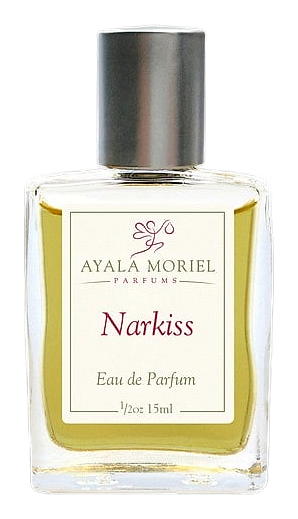
Narkiss is the Hebrew name for narcissus, and the word hides something darker. Buried inside it is kiss, the fatal one, the kiss that drowned the mythic boy in his own reflection. Ayala Sender built this 2014 composition around that double meaning: a flower that means self-love right before the illusion breaks. The scent plays on the vanity embedded in its very name, a portrait of the most eccentric flower of them all, rendered through carefully sourced extracts filtered into a tincture that carries the raw, almost greasy intimacy of enfleurage. Sender didn't reach for the obvious soliflore. She pulled the narcissus thread through coffee blossom and iris, through orange blossom and styrax, building a floral that refuses to behave like one.
What makes the composition worth a second look is the cast around the narcissus. Coffee blossom brings a bitter, almost roasted lift that keeps the waxy floral from collapsing into sweetness, the kind of bitter that reads as espresso grinds dusted over orange peel. Styrax adds a leathery, resinous shadow that smells closer to old libraries than to fresh bouquets, that particular sweetness of balsam left to cure in wooden drawers for years. Iris drops a powdered veil over the whole affair, cool and mineral, pulling the warmth back just enough to keep the blend from drowning in its own richness.
The evolution
The opening is sharp, almost conversational. Sichuan pepper does that fizzy back-and-forth, like someone cracking a story at the bar, all bright sparks and nervous energy before settling into the quieter notes behind it. Then the narcissus shows up properly, waxy and indolic, and the coffee blossom arrives with its roasted bitterness, and the whole thing tilts warmer, more private. The styrax deepens the picture, pulling the scent into something that smells like heated wood and skin, the slow burn of resin warming against a wool collar. As the composition settles, pine and liatris creep in to dry the blend into a cool, almost incense-like haze, a smoldering backdrop that keeps the florals from ever feeling sweet. The hyraceum anchors everything animalic and slightly soiled, the kind of note that wakes you up the next morning when you catch it on a scarf or a sweater sleeve.
Cultural impact
Narkiss sits in a rare corner of niche perfumery, the small but persistent tradition of narcissus compositions that take the flower seriously as a raw, indolic material rather than a soft impressionistic gesture. The fragrance draws on a long lineage of oddball florals, the kind that lean strange and resinous, that smell more like rooms full of objects than like freshly cut bouquets. Hyraceum has its own polarizing reputation in natural perfumery, used sparingly by houses willing to court the animalic edge, and its presence here signals a commitment to materials most modern compositions avoid entirely.