
The Story
Why it exists.
The beginning
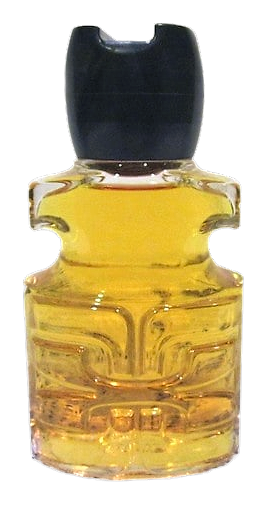
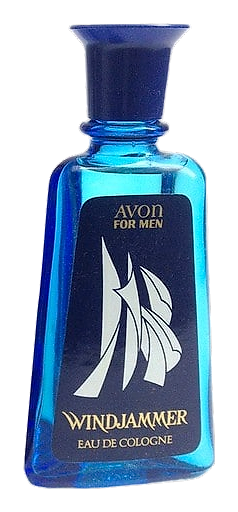
Windjammer arrived in 1968, when Avon wanted a scent that felt like the outdoors without trying too hard. The name says it. Windjammer, the kind of image conjured by a sail cutting open sky. The fragrance was designed to evoke that breezy, open-water feeling, but with the warmth of oakmoss and tonka underneath to keep it grounded. On skin, the first impression is bracing and immediate: a sharp hit of citrus, almost tart, like the peel of a bergamot snapped between cold fingers. That opening is clean and unapologetic, the kind of brightness you associate with cold water and salt spray. Within moments, the pepper shows up, dry and almost minty, threading through the citrus and pulling the whole top into something cooler and more aromatic.
What makes Windjammer interesting is how it holds together a handful of contrasts without ever losing its balance. The black pepper and herbal notes give it a cool bite that keeps the citrus from reading too polite, while the tonka softens everything from below. That interplay between sharp and soft, green and warm, is what gives the fragrance its particular character. On the opening, the citrus is forward and almost brash, the kind of brightness that demands attention. Then the herbal and mossy notes rise underneath, pulling the composition down into a damper, earthier register.
The evolution
Windjammer opens like a gust of cold air over green hills. The citrus hits fast, bright and uncomplicated, with black pepper giving it a cool, almost minty edge that sharpens the very first moments on skin. The top is crisp and clean, a burst of bergamot and lemon that feels immediate and unforced. As the citrus settles, the herbal and mossy notes rise underneath, pulling the composition down into a damp, earthy register. The shift happens gradually, not in any one instant, and you notice it more in retrospect than in the moment: the brightness softens, the greenery deepens, and the whole thing takes on a quieter, loamier weight. The heart of the fragrance is where oakmoss and tonka weave together into a soft, warm, slightly sweet accord that reads like damp wool left near a fireplace.
Cultural impact
Windjammer occupies an interesting place in the landscape of late-1960s American men's fragrance. It wasn't flashy or aggressive; it was clean, herbal, and quietly confident, the kind of scent that did its work without demanding attention. It was re-released in 1995 as part of Avon's 'Fragrance Traditions for Men' line, a revival that brought the original back into circulation for a new generation of wearers. Among fragrance enthusiasts, at least one reviewer (on Parfumo) has noted a similarity between Windjammer and Guerlain's Eau de Guerlain, a comparison that points to the shared fougère DNA running through both compositions.