
The Story
Why it exists.
The beginning
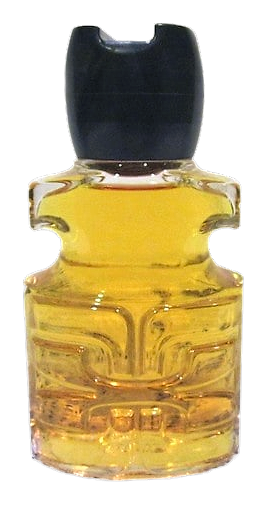
Tai Winds arrived in 1971, a product of Avon's long-standing commitment to bringing fragrance to anyone with a front door. By that point, Avon had spent decades proving that the right scent didn't require a trip to a department store or an intimidating counter, it could come through a friend, a neighbor, a conversation. Tai Winds fit that mold perfectly: a cologne built on accessibility, on the idea that smelling good was nobody's exclusive privilege. The name itself suggested movement, openness, a certain freedom that felt right for the era. It offered something simpler, warmer, and closer to the ground.
What makes Tai Winds unusual is its structural clarity, a cologne that doesn't hide its age. The lavender doesn't present itself as modern or updated; it's the real thing with a distinctive green-and-floral character. The herbal notes that accompany it reinforce this approach, providing complementary aromatics. Musk anchors everything without overwhelming, giving the composition its staying power. In a market that often chases reinvention, there's something quietly radical about a fragrance that simply does one thing well and lets time prove it out.
The evolution
The opening is all citrus brightness, the kind that catches light before it settles. Thirty minutes in, the lavender arrives. Not a whisper, not a ghost. It presents itself with confidence, the camphoraceous edge softened into something floral and familiar. Around the one-hour mark, the herbal notes move forward, green and slightly bitter, like stems crushed between fingers. They don't compete with the lavender; they hold it up. The drydown is where Tai Winds earns its reputation. Musk arrives quietly, close to the skin, powdery without being dusty. On fabric, it lingers for hours. On skin, it fades gracefully, leaving just enough to notice when you move. The next day, there's a ghost of green and lavender left on a collar or a sleeve. That's the tell. That's when you know it worked.
Cultural impact
Tai Winds exists in a specific moment of American fragrance history, the early 1970s, when men's scents were beginning to explore warmer, more personal directions. Avon's role in that shift was characteristically unglamorous, representing a quieter approach to bringing scent to people who might never have sought it out otherwise. Tai Winds belongs to that lineage, a cologne for the everyday, built to be worn rather than admired from a distance.