The Story
Why it exists.
The beginning
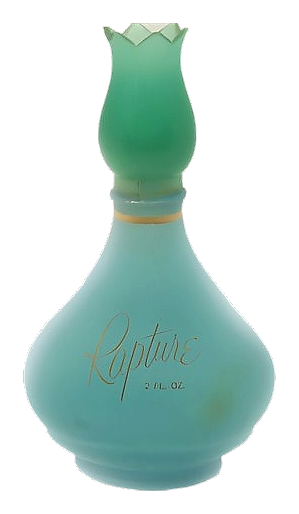
Rapture arrived in 1961 as a statement about quiet power. The name said everything, a pull, a surrender, a moment stolen from the ordinary. The brief was simple: a fragrance for women who wanted to be remembered without announcing themselves. The composition reached for classicism without retreating into safe nostalgia. It aimed at something the era understood but rarely named, the difference between being noticed and being felt.
The floral-chypre structure was deliberate. Jasmine, lilac, and rose delivered the warmth and sweetness expected of the era's feminine fragrances, but the woody spine and spice accent kept it from dissolving into pure decoration. Sandalwood and clove don't just support the florals, they interrupt them, creating tension that prevents the composition from reading as purely soft. It's this counterweight that keeps Rapture interesting long after the top notes fade.
The evolution
The opening hits clean and citrus-bright, almost stern. Galbanum adds a green bite that cools the first minutes before the florals take over. Jasmine rises through lilac and rose in the heart phase, sweet, almost powdery, with clove threading through as dry spice rather than heat. The drydown is where Rapture earns its name. Sandalwood deepens into something resinous and warm, the woody notes holding close to the skin for hours. What lingers is intimate, not announced.
Cultural impact
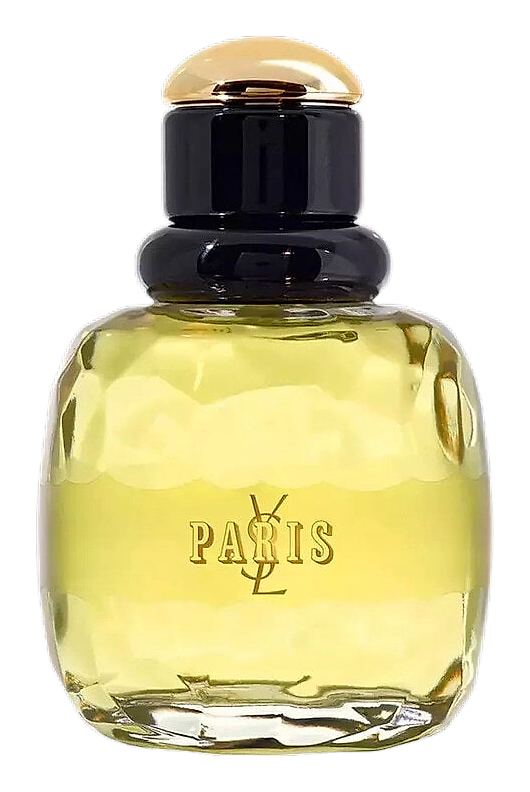
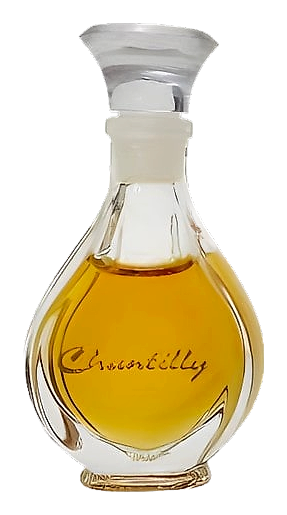
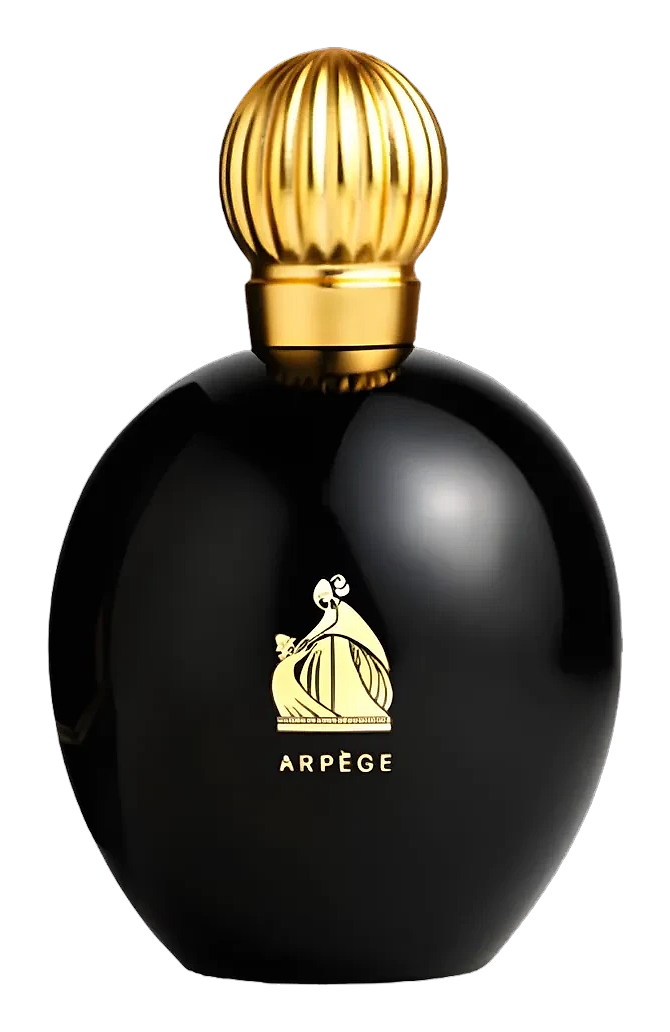
Rapture exists in a specific register of 1960s feminine fragrance, floral but not fragile, warm but not heavy. The community classifies it as a chypre floral, placing it in conversation with Paris, Arpege, and Chantilly, though Rapture stays quieter than most of its peers. Wearers describe it as old-fashioned in the best sense, nonchalant, distinctive, the kind of fragrance that doesn't need to argue for itself.