
The Story
Why it exists.
The beginning
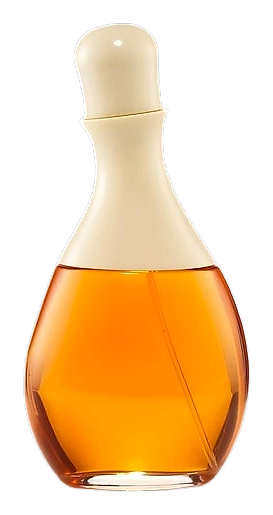
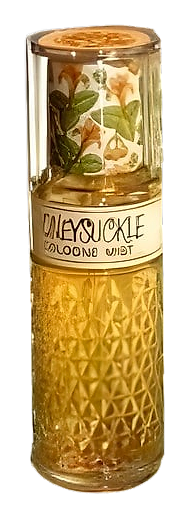
Honeysuckle arrived as part of Avon's expanding fragrance collection. The brand's direct-selling model had already brought scent into everyday lives in a way that felt personal and earned, not aspirational or aloof. A honeysuckle fragrance was a natural fit. The sweet, nectar-rich scent of honeysuckle blooms, with its intoxicating blend of honeyed warmth and delicate floral sweetness, translates beautifully into a wearable fragrance that captures the essence of climbing vines in summer. The composition works within a recognizable vocabulary of white florals, aldehydic brightness, and honeyed bases. The aldehydes lift the florals into something shimmering and bright, while the honeyed notes ground the scent in warmth. The goal wasn't complexity for its own sake.
What makes the structure interesting is the aldehydes. They lift. They give the orange blossom and lily of the valley something to shimmer against, preventing the composition from reading as merely sweet. There's a delicate interplay here: the aldehydic brightness creates an almost crystalline quality that elevates the florals without cutting them down. The honey base is what keeps it grounded, adding a golden warmth that balances the sparkle above. Musk then becomes the whisper at the end, not projecting, not demanding, just present. The composition earns its intimacy by refusing to shout.
The evolution
The opening arrives quickly. Orange blossom and lily of the valley come together with an aldehydic brightness that could read as sharp if you catch it at the wrong angle, but on most skin, it settles within minutes into something cleaner. There's a window around the first hour where honeysuckle takes the stage. Not bold. Not shouting. But unmistakable if you've ever walked past a vine in bloom. The aldehydes keep things shimmering while the heart develops, buying time for the florals to arrange themselves properly. By hour two, honey emerges, soft, golden, warm without being heavy. Musk follows, becoming a quiet presence that brings the fragrance closer to the skin. The aldehydes never fully disappear. They fade to a faint metallic warmth that keeps the florals from going flat. What lingers on skin by hour five is honey, a ghost of orange blossom, and the quiet persistence of musk.
Cultural impact
Honeysuckle sits comfortably in the lineage of accessible American aldehydic florals from the 1960s, a time when mainstream perfumery was evolving and reaching new audiences. The fragrance doesn't carry the weight of industry awards or niche cult status, but that's never been Avon's story. It was always about the person who wears it, not the name it carries. The direct-selling model meant the fragrance reached people through personal connections rather than prestige positioning. For many, this was their first experience with aldehydic florals, an introduction to a style of fragrance that felt both elegant and within reach.