
The Story
Why it exists.
The beginning
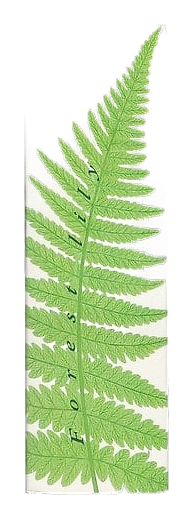
Forest Lily arrived in 1998 from Avon's fragrance line, composed by Annie Buzantian. The fragrance draws its name and character from a simple image: lilies growing wild where sunlight filters through trees, the cool green hush of a wooded clearing in bloom. There's something easy about that picture, and Avon built this one for accessibility. A floral that felt like stepping outside, priced for the woman who wanted something thoughtful on her vanity without ceremony. It was never meant to be a statement. It was meant to be a companion, the kind of bottle you reach for without thinking because the scent itself does the talking.
What's interesting about Forest Lily is how narrow its focus is. Six notes: lily of the valley, wisteria, sandalwood, lilac, ylang-ylang, and clementine. No amber, no patchouli, no vanilla cushion. That restraint is the composition. Forest Lily stays in the green-floral register the whole way through, trusting lily of the valley to do the heavy lifting while wisteria adds its watery sweetness and sandalwood keeps the base from disappearing. Lilac chimes in with a soft, almost vintage floral powder, while ylang-ylang warms the blend just enough to keep it from feeling cold or aquatic.
The evolution
Forest Lily opens with a burst of clementine that lasts maybe ten minutes, bright and slightly sharp, like peeling citrus near an open window. It fades quickly, and honestly most people won't catch it as a distinct moment, it's more of a brightening of the lily of the valley that arrives right behind it. The heart is where this fragrance lives. Lily of the valley dominates, green and dewy, with wisteria adding a soft sweetness underneath and lilac lending its powdery, slightly indolic edge. Ylang-Ylang sits in there too, but quietly, adding warmth without turning tropical. As the hours pass, the green notes gradually recede and the composition softens, the sharper dewy facets giving way to something rounder and more cushioned. The drydown is where the sandalwood finally shows up, creamy and warm, keeping the whole thing from evaporating into soapy nothing.
Cultural impact
Forest Lily sits in a category that doesn't get much respect: the affordable floral that does its job without fanfare. It's the fragrance someone discovers in their mother's or grandmother's collection and ends up wearing themselves, not because it's prestigious but because it smells like a clean spring morning. Wearers tend to be practical, sentimental about scent, and uninterested in performance anxiety. There's something quietly generational about a bottle like this, passed down or repurchased out of genuine affection rather than trend awareness.