The Story
Why it exists.
The beginning
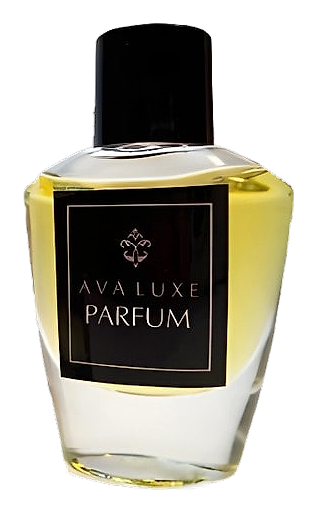
Crepe de Chine arrived in the early 2000s from Serena Ava Franco, the artist-perfumer behind Ava Luxe. The fabric name is doing real work here, because crepe de chine is the textile that looks weightless and fluid but actually holds structure. That's the scent's whole pitch: something that reads soft at a distance but reveals its architecture once you're close. Franco's catalog includes Gardenia alongside this composition, and her work across these early fragrances shows a consistent fascination with white florals rendered through an old-school structural lens. The formula leans classic chypre, but the materials list reads more like a perfumer's notebook than a marketing pyramid.
What makes the note list unusual is the collision between green and opulent. Aldehydes, basil, and bergamot provide the cold, bright top, while gardenia, jasmine, and Bourbon ylang-ylang pile on the creamy white-floral weight. The base is where it gets interesting: Mysore sandalwood alongside Haitian vetiver is a specific choice, one that prioritizes the dry, rooty quality of both materials over their usual role as background. Oakmoss and patchouli hold the chypre spine, and the vanilla plus Indian musk at the bottom keeps the whole thing from drying out into something purely austere.
The evolution
The first fifteen minutes are the sharpest part of the ride. Aldehydes and bergamot hit cold and bright, and the basil cuts through like cracked black pepper with a green streak. There's a soapy, almost vintage feel to the opening, the kind of clean that announces itself before you do. Around the twenty-minute mark the gardenia and jasmine start to swell, and the composition shifts from cold to warm without going through anything gentle. It's more like walking from air conditioning into a heated room. The rose and Bourbon ylang-ylang layer in a dense, almost tropical creaminess that sits heavy on the fabric of a shirt or scarf. As the hours pass, the chypre base asserts itself more and more firmly. Oakmoss, patchouli, and Haitian vetiver form a dry, rooty foundation that feels like forest floor after rain.
Cultural impact
Crepe de Chine occupies a particular register in the chypre conversation, one where classical materials like oakmoss and Mysore sandalwood are foregrounded rather than used as background texture. The composition makes no attempt to soften its edges for a mainstream audience, and that refusal tends to be what draws people to it. The gardenia note lands with unusual weight, more sculpted than the typical white floral, and the aldehyde opening reads closer to a vintage couture house than to anything currently sitting on a department store counter.