
The Story
Why it exists.
The beginning
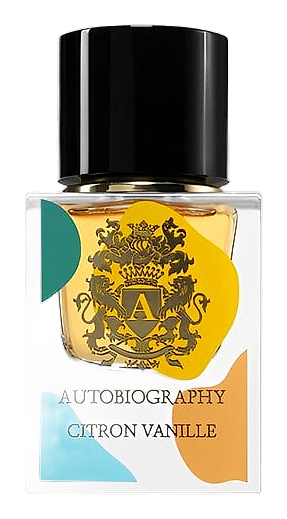
Citron Vanille comes from Autobiography, a contemporary fragrance house, and wears its intention right on the label. The name carries the weight of the entire concept. Citron for the citrus bite, vanille for the sweetness underneath. Two words, one straightforward idea. There's no obscure narrative spelled out in the marketing copy, and nothing about the presentation suggests the fragrance is trying to be anything other than what the name promises. Citrus and vanilla, nothing hidden between those poles. It's an uncomplicated proposition, the kind of brief that could easily fall flat in less capable hands.
The architecture here doesn't try to trick you. Bergamot and lemon open bright and obvious, then vanilla steps in unusually early, softening the citrus before most fragrances would let it. That early sweetness is what separates this from a straightforward eau de cologne. Sandalwood and pink pepper in the middle keep things from going too soft, and the base of musk, vetiver, amber and cedar grounds the vanilla without burying it. It's a simple structure executed with enough restraint that the simplicity reads as confidence, not laziness.
The evolution
The opening delivers pure citrus snap. Lemon comes forward sharp, almost tart, with bergamot giving it a slightly bitter edge. Vanilla appears quickly underneath, softening the citrus into something rounder and more approachable. As the opening citrus mellows, sandalwood plus pink pepper start shaping the center. There's a warm, slightly creamy quality that takes over once the top notes have settled, as tonka bean adds a powdery sweetness behind the sandalwood. The drydown settles into musk and amber with cedar and vetiver providing quiet structure. The vanilla never disappears entirely. It just stops competing. The transition from bright citrus opening to creamy, woody base happens gradually, and each phase has its own personality without feeling disconnected from what came before.
Cultural impact
Wearers and reviewers frequently compare Citron Vanille to Chanel Allure Homme Édition Blanche, a far pricier composition that shares a similar citrus-vanilla-cedar framework, and that comparison has shaped how the fragrance is discussed in enthusiast circles. The two share enough DNA in the opening and the woody-vanilla base that the parallel feels natural rather than forced, though the Autobiography entry offers its own character through the inclusion of tonka bean and the warmer, slightly sweeter direction in the heart.