The Story
Why it exists.
The beginning
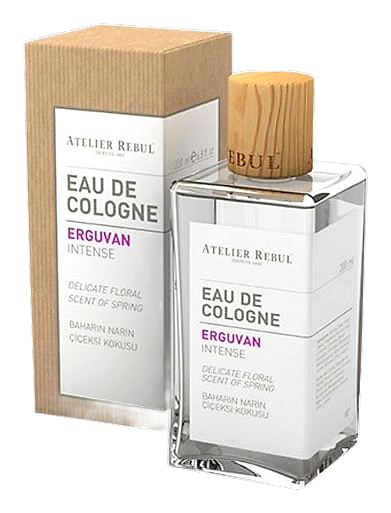
The name says it all. Erguvan, the Judas tree, is the pink-blossomed tree associated with Istanbul's spring, a season the city waits for with particular patience. Atelier Rebul built this composition as a tribute to that specific moment. Not the heat of summer, not the melancholy of autumn. The brief, electric arrival of spring in a city that knows how to wait for it. The scent translates that botanical event into something wearable. Yellow berries and green stems at the top give the raw, outdoor character of new growth. There's a snap of something unripe, a tartness that catches the air before the florals arrive. Then the heart commits to the idea. Lily and peony don't just nod at florals. They open fully, the way a Judas tree does, all at once, almost shamelessly.
What's interesting here is what Atelier Rebul left out. No oud. No rose heavy enough to buckle the composition. No spice to signal the East. Instead, the brand reached for yogurt-soft dairy accords and meringue-like yellow fruits, a combination that makes the whole thing feel edible in a clean, unsweetened way. The lily and peony pairing is deliberate. Lily keeps things cool, a white floral that never tips into heady territory, while peony adds that rounded, dewy fruitiness. Together they create a white floral heart with a creamy texture that feels closer to a kitchen than a perfumery counter.
The evolution
The first minutes are the greenest. Yellow berries set the scene with a tart, slightly underripe quality, and the cool sweetness of early spring flowers cuts through before the sweetness can settle. There's a vegetal snap that catches you off guard if you expected something immediately soft. Then the heart opens. Lily arrives cool and silvery, while peony rounds it out with a soft, dewy quality. The two white florals do something unexpected. Rather than competing, they create a milky, yogurt-like texture that shifts the entire composition away from perfume and toward something edible. A clean, unsweetened creaminess that feels closer to cold milk than to vanilla. The florals recede into a soft, powdery musk. It doesn't get warm. It doesn't get woody. It just gets quieter.
Cultural impact
Erguvan sits in a specific lane. It's a seasonal composition, built around a single idea and committed to it. The powdery, milky character sets it apart from heavier white florals, and the absence of any oud, rose, or spicy warmth makes it read as a clean floral with a softer, more grounded quality. There's no indolic drama, no oriental base, no attempt to signal complexity through weight. For people who love clean florals but want something with a softer character, this offers a specific kind of comfort. It's a composition that wears best in the months it was named for, which is both its charm and its limitation.