Yellow Berries
Yellow Berries bring a tart, sun-warmed sweetness to perfumery. This fruity note evokes ripe orchard harvests, offering a crisp, slightly tangy character that brightens floral accords with vivid, juicy energy.
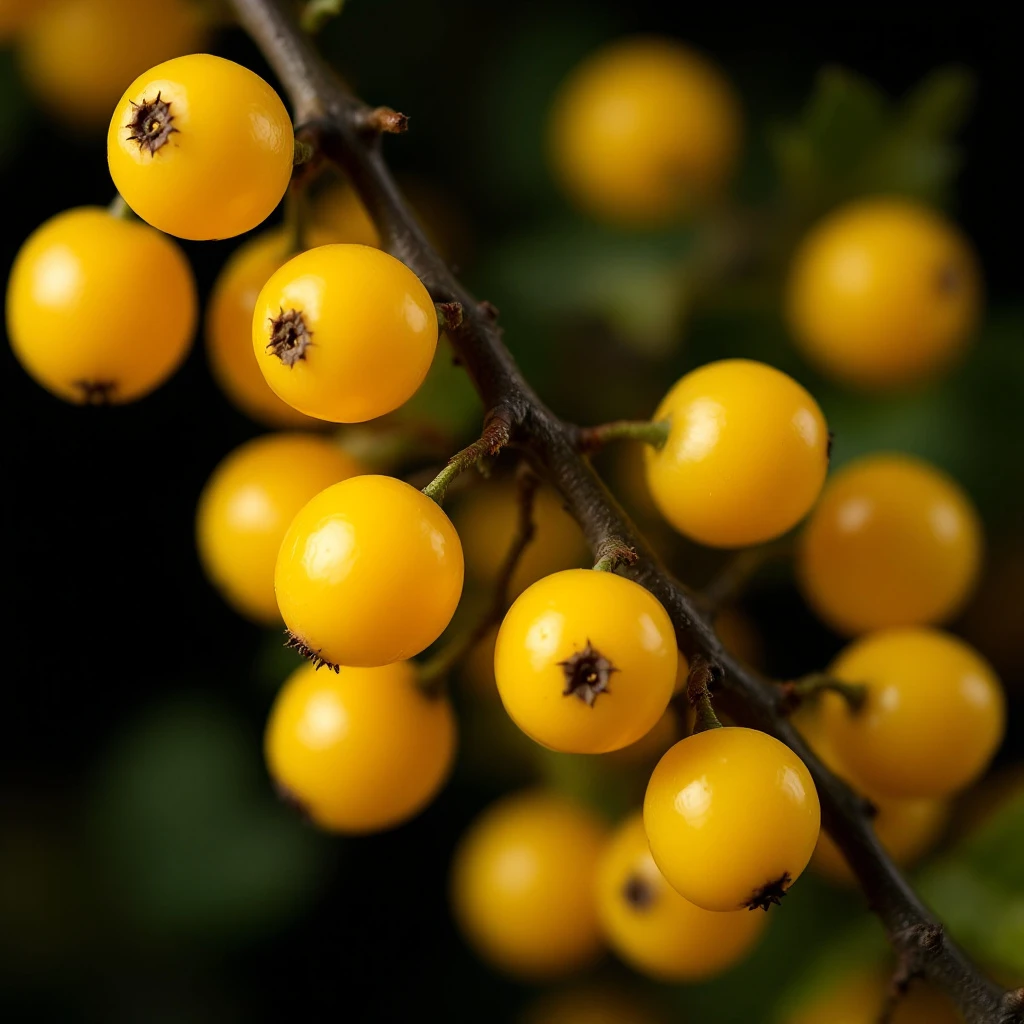
Character
How it smells
Sunlit tartness bottled.
In perfumery, Yellow Berries often reference synthetic accords built on ethyl maltol and C16 aldehyde rather than a single botanical species.
Pairs beautifully with
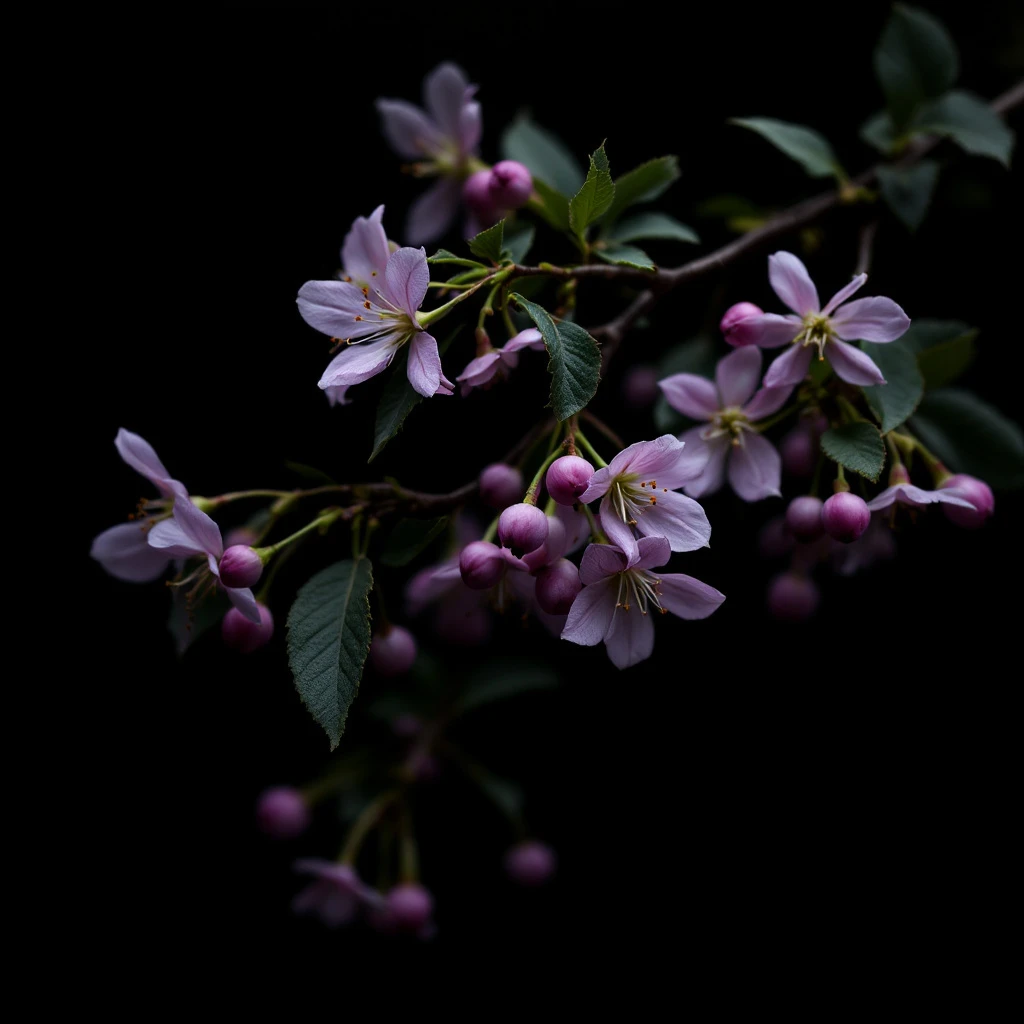

Origin
France
The concept of a 'yellow berry' note emerged as twentieth-century chemistry gave perfumers access to synthetic fruity molecules. The breakthrough arrived in the 1950s and 1960s when firms developed aldehydes capable of mimicking crushed berry pulp. C16 aldehyde, introduced widely in fine fragrance, became a backbone for fresh-fruity compositions throughout the 1970s.
Parallel to synthetic work, natural perfumery drew on botanical sources such as yellow magnolia-like blossoms, whose solvent-extracted concretes and absolutes offered a honeyed, fruity-floral profile. These natural materials appear in classical formulations where solvent extraction captures heavier, less volatile compounds that steam distillation cannot retrieve. The modern Yellow Berries note sits at the intersection of these traditions: synthetic precision layered over occasional natural absolutes to achieve a recognizable orchard-fruit impression.
Today the note appears across gender-neutral fragrances, particularly in bright, sparkling compositions intended for warmer months.
Wears it best
Fragrances featuring Yellow Berries
Brands
Brands known for Yellow Berries
Good to know
Questions, answered
The essentials on Yellow Berries in perfumery: how it smells, where it comes from, and how it behaves on skin.
What does Yellow Berries smell like in perfume?
Yellow Berries smells tart, juicy, and sun-warmed, with a crisp orchard-fruit sweetness. The impression is built primarily from ethyl maltol for warmth and C16 aldehyde for a fresh, slightly green fruity lift.
Is Yellow Berries a natural or synthetic note?
Most Yellow Berries notes are synthetic reconstructions combining aroma molecules like ethyl maltol and C16 aldehyde. Some natural perfumers use solvent-extracted absolutes from yellow magnolia-like flowers to approximate a similar honeyed, fruity character.
What fragrance families feature Yellow Berries?
Yellow Berries appears most often in fruity and floral families, and frequently in fresh, sparkling compositions built for spring and summer wear.
How is the Yellow Berries note constructed?
Perfumers layer synthetic fruity esters with C16 aldehyde and ethyl maltol, occasionally adding green accords for stem-like bitterness. Typical usage sits below one percent of the finished formula to avoid an artificial candy impression.
Is Yellow Berries a top, middle, or base note?
Yellow Berries typically functions as a top or upper-heart note. Its bright, volatile character fades within one to two hours, making it an opening accent rather than a lasting foundation.
Which ingredients pair well with Yellow Berries?
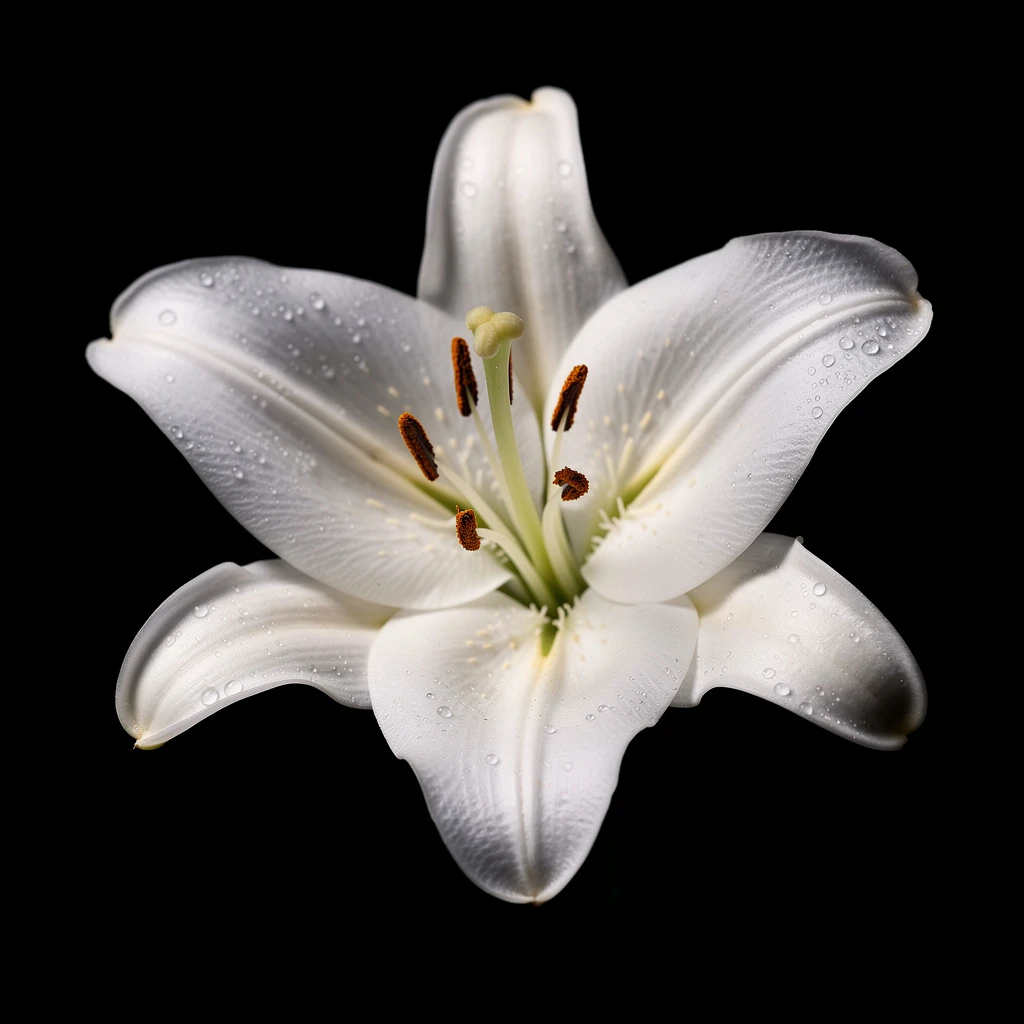
Yellow Berries pairs naturally with white florals, citrus notes, and green tea accords. It also complements soft musks and light woods in contemporary fruity-floral compositions.
Does Yellow Berries come from a real plant?
The perfumery note does not correspond to a single botanical species. Some yellow-flowered plants like certain magnolias yield solvent-extracted concretes with a related fruity-honeyed character used in natural perfumery.
Is Yellow Berries a common perfume ingredient?
Yellow Berries appears across niche and mainstream launches, particularly in bright, youthful compositions. Its stability in alcohol and surfactant bases makes it popular across multiple product categories including fine fragrance and personal care.





