Sunflower Blossom
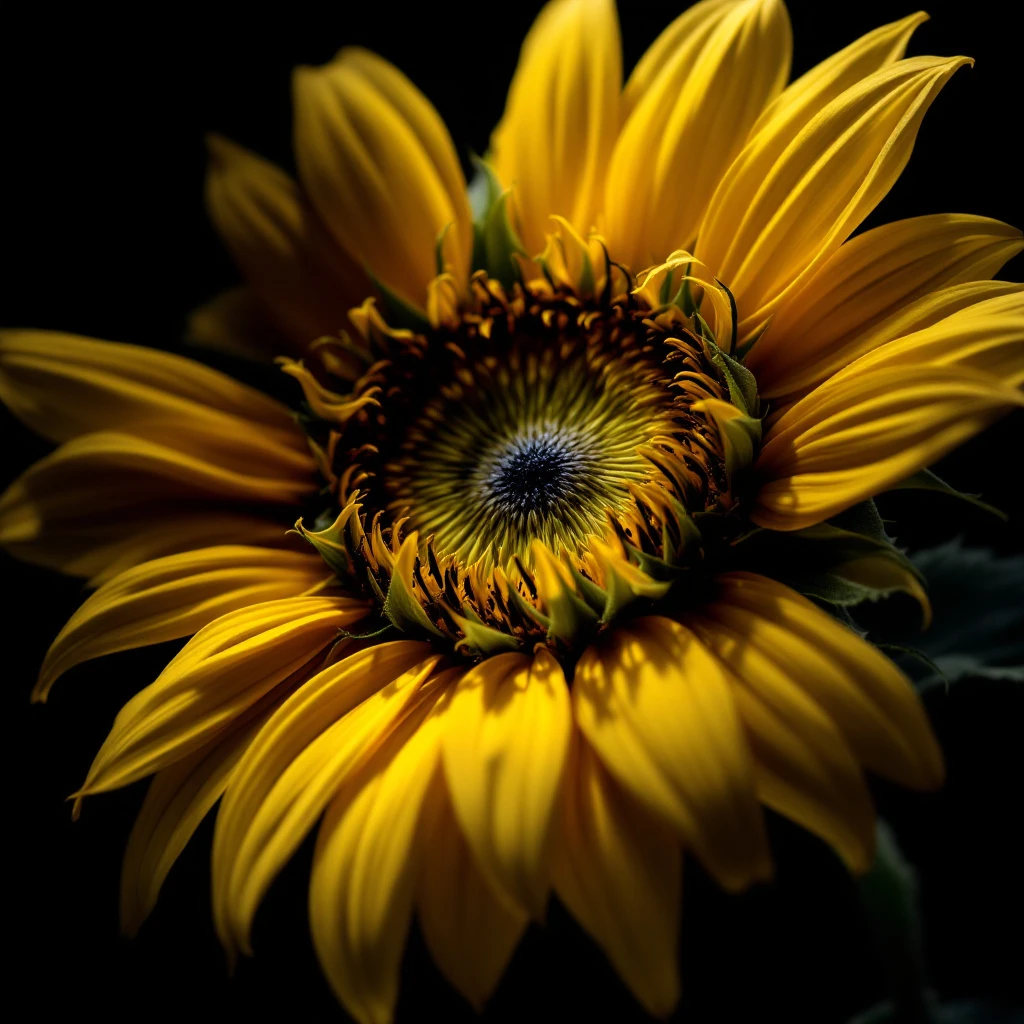
Sunflower blossom carries a soft, green-honey sweetness with an almost powdery warmth. The scent sits quietly between fresh pollen and dried hay, lending a sunlit, pastoral calm to modern compositions.
Character
How it smells
Sun-warmed petals with a quiet golden sweetness
Sunflower heads track the sun throughout the day, and the flowers produce no nectar until roughly day six of their bloom cycle.
Pairs beautifully with

Origin
United States
The sunflower traveled thousands of miles before reaching a perfumer's bench. Native to North America, Helianthus annuus was cultivated by Indigenous peoples across present-day Arizona and New Mexico as early as 3000 BCE for food, dye, and ceremonial use.
Spanish explorers carried seeds to Europe around 1510, where the plant quickly became an ornamental curiosity in royal gardens, eventually earning its Latin name from the Greek helios, meaning sun. While the seed oil dominated agricultural and culinary use for centuries, the flower itself entered perfumery only recently.
Modern extraction research in the early 2000s, particularly work on supercritical CO2 processing, revealed that the blossoms contain aromatic compounds worth capturing. Since then, sunflower blossom has appeared as a subtle supporting note in niche compositions, where its quiet, sunny character fills space without overwhelming more luminous florals.
Wears it best
Fragrances featuring Sunflower Blossom
Brands
Brands known for Sunflower Blossom
Good to know
Questions, answered
The essentials on Sunflower Blossom in perfumery: how it smells, where it comes from, and how it behaves on skin.
What does sunflower blossom smell like?
Sunflower blossom smells like warm pollen and soft honey, with green stems and a faint powdery undertone. The effect is sunlit rather than loud, giving compositions a grounded pastoral sweetness.
How is sunflower blossom extracted for perfume?
Most sunflower blossom perfume material comes from solvent extraction, producing a waxy absolute. Supercritical CO2 extraction offers a cleaner alternative that preserves delicate pollen and hay facets.
Where do sunflowers originally come from?
Sunflowers originate in North America, where Indigenous peoples in the present-day Southwest cultivated them over 4,000 years ago. Spanish explorers brought seeds to Europe around 1510.
Is sunflower blossom used in luxury fragrances?
Yes, though sparingly. Niche and independent perfumers favor it as a subtle accent note that adds warmth without competing with brighter florals or citruses in a composition.
Why is sunflower blossom rare in perfumery?
The flowers yield limited volatile oil, making pure extraction expensive. Many fragrance houses use reconstructed accords with safe aroma molecules to approximate the natural scent.
What's the difference between sunflower oil and sunflower blossom extract?
Sunflower seed oil, pressed from the seeds, is mostly fatty and carries little aroma. Sunflower blossom extract, from the petals and flower heads, contains the actual fragrant compounds used in perfumery.
Does sunflower blossom have therapeutic aromatherapy benefits?
No robust clinical research supports specific aromatherapy claims for sunflower blossom. Its primary role remains perfumery, where it contributes warmth and natural texture to floral blends.
Can sunflower blossom be grown for perfume production?
Yes, though commercial cultivation for fragrance remains niche. Varieties bred for higher aromatic yield in the petals are grown on small contract farms in parts of the American Midwest and southern Europe.





