The Story
Why it exists.
The beginning
Ya Habibi translates to my love, and the name comes from somewhere specific. It is the first word Oum Kalthoum, the Egyptian singer whose voice defined Arabic music for decades, spoke in her 1969 song Alf Leila We Leila. She had a particular affection for this track, listening to it on the radio with the kind of devotion that turns a song into a ritual. Astre d'Orient, the French house behind this 2019 release, chose the phrase as its anchor for the debut collection, and the intent reads clearly: this is not abstraction. This is a word meant to be felt. Wear something that sounds like a whispered address. The phrase itself carries the weight of intimacy in Arabic culture, used between lovers, friends, family members, anyone whose presence you want to soften with tenderness.
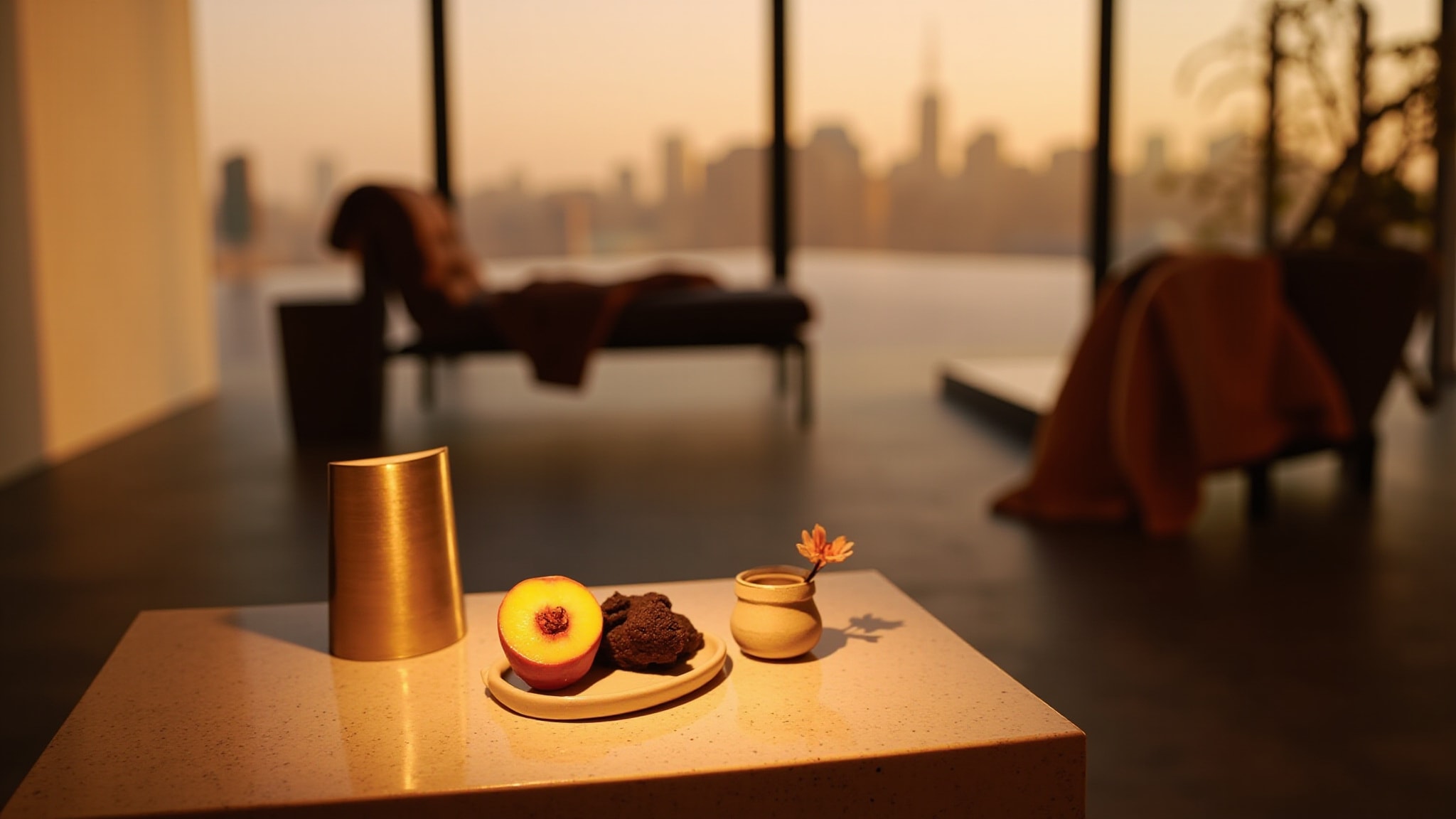
What makes the composition distinctive is the tension between French perfumery structure and Arabian warmth. The green lemon top and powdery iris heart could read as a clean European composition on paper, but the oud, the patchouli, and the rose in the base pull it firmly toward the oriental register. The peach and pear in the middle are doing real work here, softening the iris without turning it soapy, and the orange blossom adds a luminous sweetness that bridges the two halves. It is a multiple-facets fragrance, as the brand describes it, and that is the most honest way to put it. Each phase reveals a different material taking the lead.
The evolution
On skin, Ya Habibi opens with a brisk hit of green leaves and lemon that reads bright and almost Mediterranean in its opening minutes. It is not aggressive, just awake, like sunlight through a sheer curtain. As that brightness fades, the iris arrives alongside peach and pear, and the whole composition shifts into a softer, more powdery register. Orange blossom threads through the heart, adding a warmth that keeps the iris from feeling cold. The powdery phase holds longer than you might expect, stretching through a long intimate stretch where the fragrance feels close, almost creamy, sitting on the skin like a held breath. Then the base takes over, and this is where Ya Habibi reveals its deepest register. The oud is present but not loud, sitting underneath the patchouli and rose like a foundation you feel more than smell.
Cultural impact
Ya Habibi draws its name from Oum Kalthoum's music, and that lineage shapes everything about how the fragrance communicates. The name itself functions as an emotional shorthand, carrying the warmth and direct address of classical Arabic song into a bottle meant for European-leaning niche consumers. Rather than chasing trends, the fragrance leans into heritage, using the phrase as a bridge between two audiences who recognize different things in it: the tenderness of an Arabic term of endearment for one listener, the exoticism of a beloved singer for another.