The Story
Why it exists.
The beginning
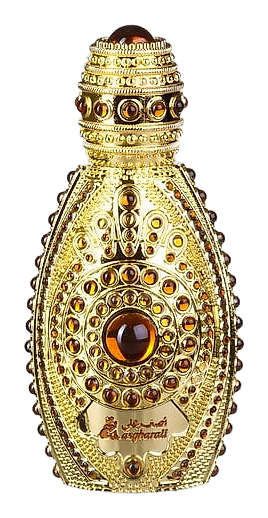
Shaima enters Asgharali's catalogue as an eastern floral built on an unusual foundation: chamomile, not bergamot, leads the top. The house has spent a century working with attars and bakhoor, dense, resinous materials, so reaching for something as quietly herbal as chamomile reads as deliberate. It suggests the perfumer wanted to quiet the composition before warming it. The name itself, Shaima, carries a sense of beauty that is inward rather than announced, something noticed rather than demanded. That restraint is visible in the structure: bright citrus fruits keep the opening from settling too quickly, giving the heart time to build.
The real structural decision is the herb-to-spice hand-off. Chamomile sits somewhere between apothecary and garden, it smells like something you steep, not something you wear. But Asgharali pairs it with ylang-ylang's tropical weight and mandarin's clean brightness, creating an opening that feels both fresh and slightly medicinal. Then the heart shifts register entirely: coriander and cloves are warm, almost savory. Jasmine and rose provide the floral bridge. The combination is less common than the typical rose-oud or amber-vanilla oriental, which makes it interesting for someone tired of the usual Gulf-market formulas.
The evolution
The opening arrives quiet and herbal, chamomile first, then mandarin and blackcurrant push through with a tartness that wakes the composition up. Ylang-ylang follows, slow and waxy, almost creamy. You have a brief window of this phase before the heart takes over. Coriander and cloves announce themselves as warmth, not heat. The jasmine and rose arrive together, not competing but layered, the rose gives the jasmine something to rest against. This middle phase is where Shaima earns its oriental classification, though it's softer than the name suggests. The drydown arrives later in the wear. Oakmoss and patchouli anchor everything, earthy, green-mushroom depth. A peach sweetness lingers in the base, and the iris adds a powdery finish that keeps the whole thing from getting too heavy. On skin, expect the sillage to stay moderate, present in a small room, forgettable in a large one.
Cultural impact
Shaima occupies a niche within the Arabian perfumery tradition, leaning into herbal-floral territory when the category often gravitates toward bold oud, amber, and rose. The chamomile-forward opening breaks from Gulf-market conventions, offering something different for those seeking alternatives to typical regional releases. Its blend of herbal freshness with warm spice reflects a broader trend in contemporary Arabian perfumery, drawing influences from international perfumery while maintaining cultural roots. The fragrance sits quietly in a market that sometimes gets stereotyped by heavy, assertive compositions.