The Story
Why it exists.
The beginning
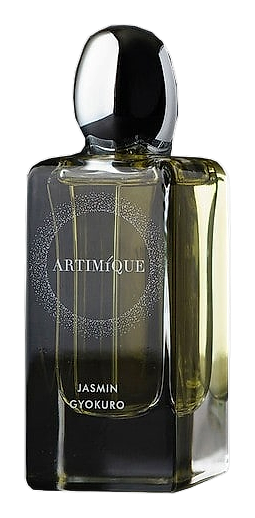
Cristiano Canali built Jasmin Gyokuro around a tension: the cool, meditative calm of Japanese gyokuro tea and the narcotic heat of jasmine sambac. The name is the concept, a bridge between East and West, between beverage and botanical. Canali wasn't interested in a tea-scented fragrance. He was interested in what happens when the astringent clarity of shade-grown green tea meets the cream-thick richness of tropical white florals. The bergamot opens bright. The pear adds crunch. Then the jasmine arrives and doesn't apologize for taking up space. Vetiver and angelica root keep it grounded, keep it green, keep it honest.
What makes this composition work is the structural role of the green tea note. Gyokuro, Japan's shade-grown premium green tea, brings a lymphatic, slightly bitter quality that runs through the entire fragrance rather than sitting only in the opening. Calabrian bergamot mimics that bright, slightly astringent top note. The heart of jasmine, tuberose, tiare, and mimosa blooms against that green backdrop rather than above it. White musk acts as a bridge, softening the floral density without diluting it. The base of Haitian vetiver and angelica root extends the green impression into the drydown, preventing the typical sweet-soap fade of heavy white florals.
The evolution
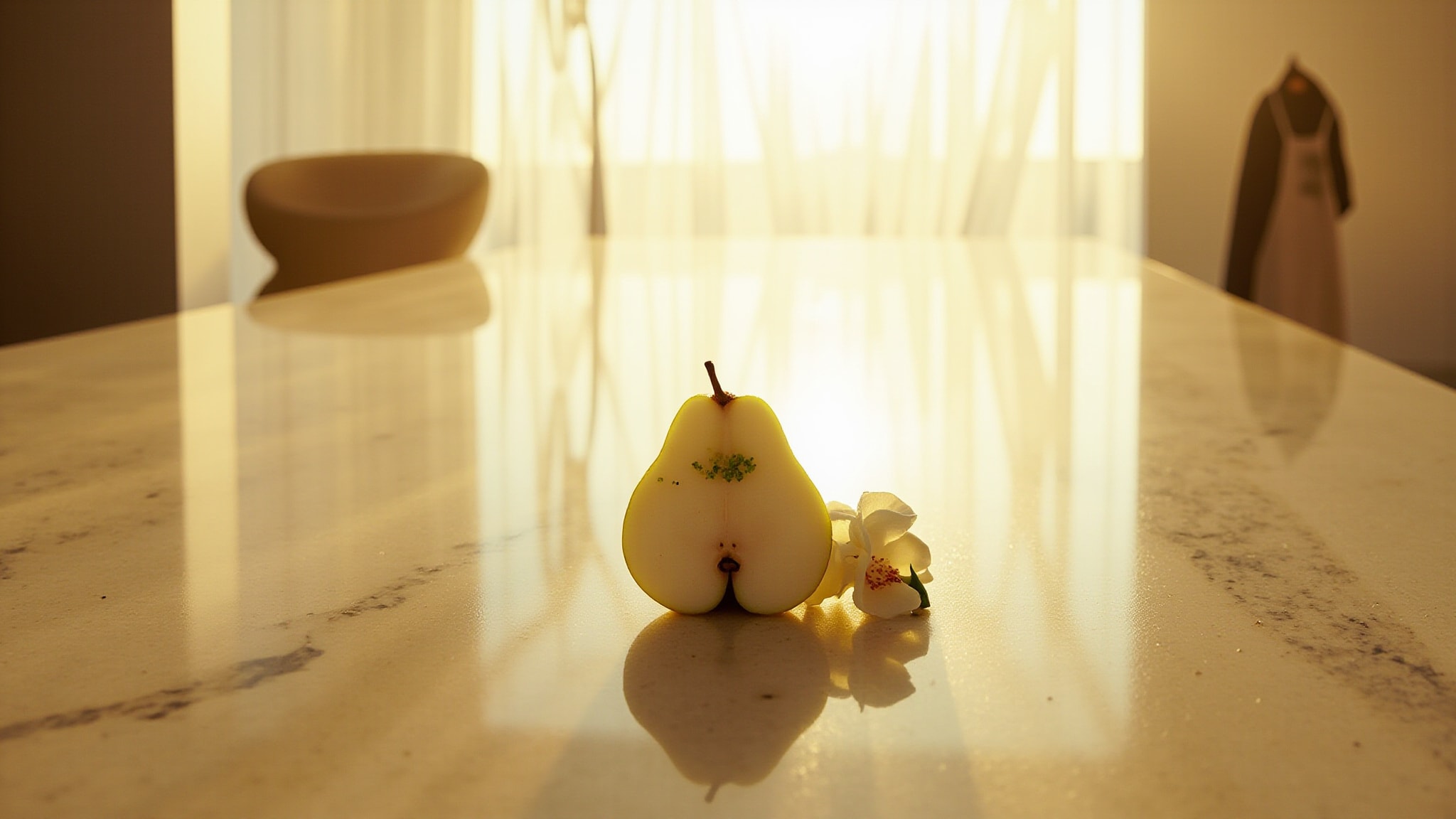
The opening lasts longer than expected. Bergamot and Williams pear arrive together, juicy and bright, like biting into a just-picked pear with citrus zest on your fingers. The green tea note isn't a whisper here, it's a fine, slightly bitter quality that gives the fruit something to lean against. Ten minutes in, the florals begin their takeover. Sambac jasmine first, then Indian tuberose, then the tiare and mimosa layering underneath. Reviewers call it a riot. That's accurate. The white florals don't build gradually, they arrive all at once and stay. The white musk in the heart keeps everything coherent, preventing the florals from becoming screechy. By the second hour, the composition settles into something more sustainable. The vetiver and angelica root base kicks in, adding a crunchy, root-vegetal depth that echoes the green tea quality from the opening. The sillage is moderate throughout, this doesn't fill a room. But on skin, it projects a presence that feels confident rather than loud.
Cultural impact
Jasmine has held sacred status in perfumery across cultures, from Indian temple offerings to Grasse's royal workshops. The pairing of jasmine with Japanese green tea reflects a broader cultural fusion, Western luxury meets Eastern mindfulness, that has accelerated in niche perfumery over the past decade. Artimique, founded by a chemist-pharmacist in Venice, embodies this crossover: rigorous scientific background meets artisanal Italian craft. The gyokuro green tea note references the Japanese tea ceremony tradition, where shade-grown tea symbolizes meditative calm and ritual precision.