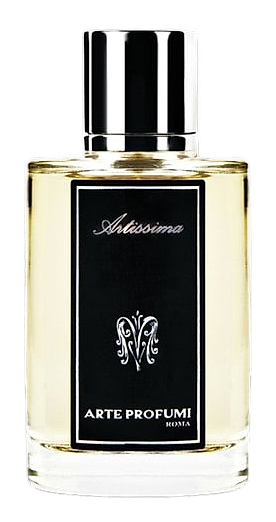

The Story
Why it exists.
The beginning
Artissima arrived in 2016 as Arte Profumi continued building its catalogue of restrained, character-driven scents. The brief seemed simple on paper: citrus, white florals, a warm amber base. But the house chose an unusual structural approach, three notes would appear across all three layers. Neroli opens, bright and clean. Jasmine follows within minutes. Tuberose threads through from the start and stays until the end. The same materials, evolving rather than replacing each other.
This cascading effect is harder to execute than it sounds. Neroli in the top needs to read as citrus-sunny; the same material in the base needs to feel skin-warm and resolved. Arte Profumi handles this through concentration and the solar notes accord in the heart, which lifts the florals without adding sweetness. The result is a fragrance that feels whole from the first spray, no awkward settling period, no identity crisis. It knows what it is and stays there.
The evolution
Bergamot and mandarin open crisp, almost sharp. Within five minutes the jasmine arrives, cool and slightly indolic, the kind that smells like the flower, not a concept of it. The tuberose builds underneath, creamy and slightly green. By the second hour the solar notes have taken over the heart and the citrus has softened to a memory. The drydown is where Artissima earns its hours: amber and musk hold the jasmine and tuberose close to skin, warm and intimate. Eight hours is the baseline. On some skin it stretches to ten. The final trace smells like skin that has been in the sun, not sunscreen, not warmth, just the clean heat of skin and flowers together.
Cultural impact
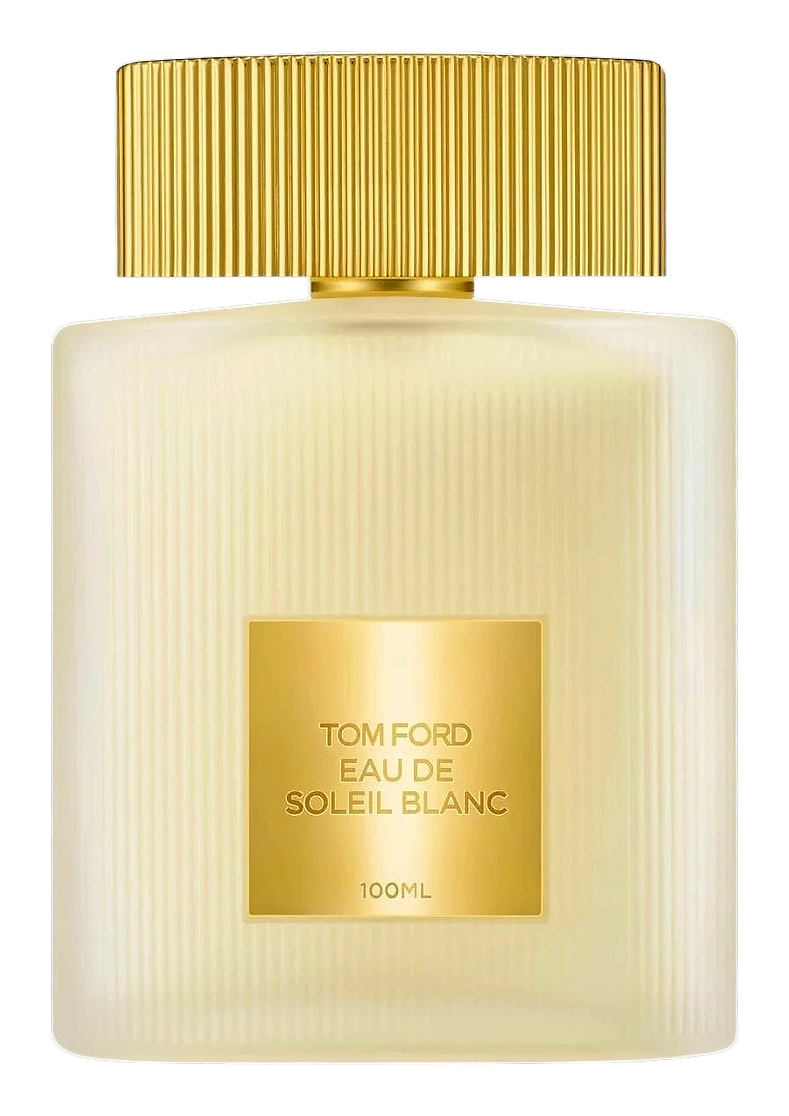
Artissima occupies a specific corner of the niche market: white floral warm skins for people who want scent without performance theater. One community comparison points to Tom Ford's Eau de Soleil Blanc, both share a solar, beach-adjacent quality, though Artissima leans more heavily on orange and jasmine where the Tom Ford reaches for coconut. Arte Profumi's collector positioning means this fragrance isn't designed to be ubiquitous; it's designed to be found.