The Story
Why it exists.
The beginning
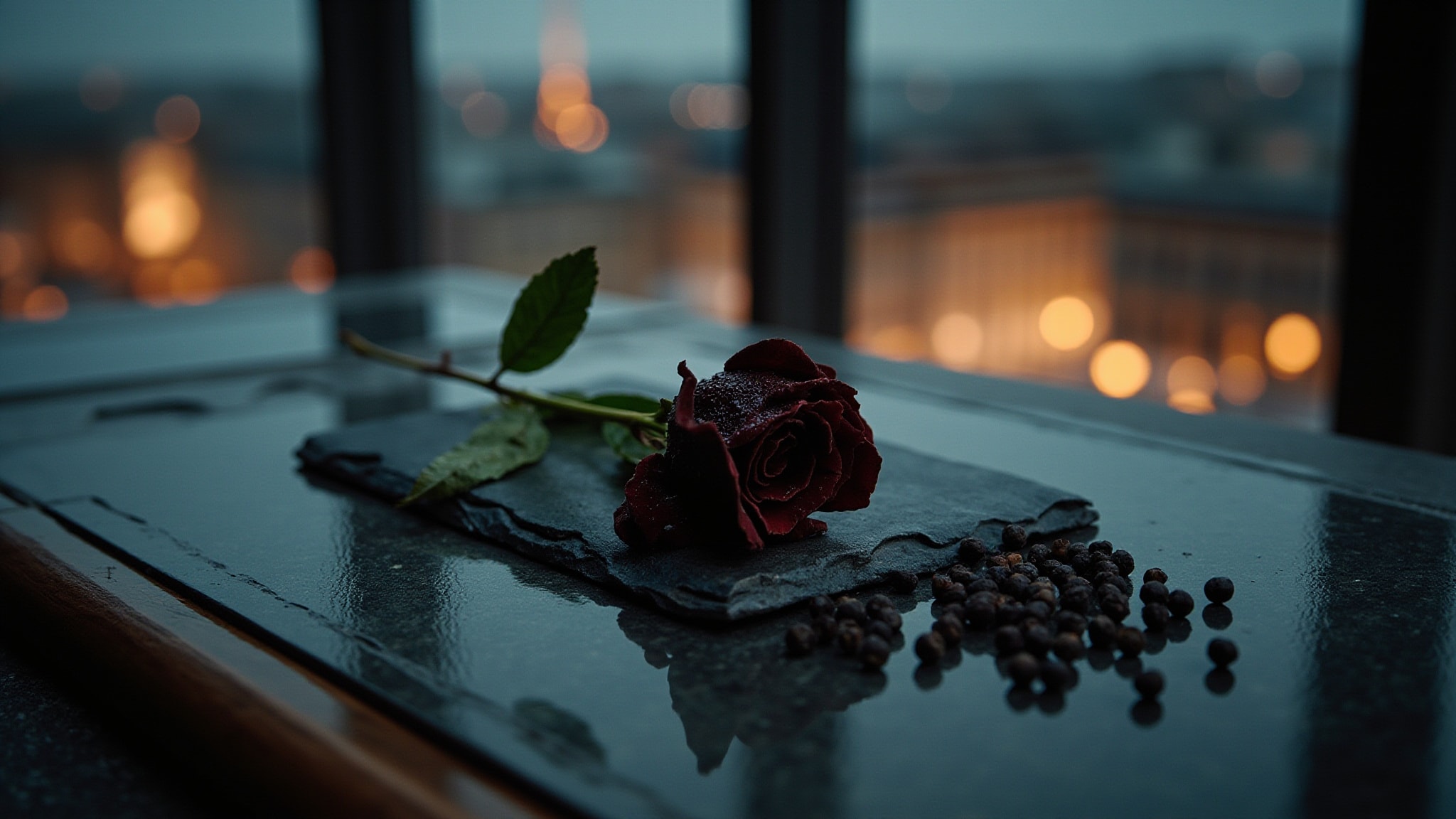
Ferragus takes its name from Paris's history of alchemists, particularly the stories of Madame de Brinvilliers, a poisoner whose crimes became legend in the city's underbelly. Barnabé Fillion, the French perfumer associated with Arpa Studios, composed this 2023 release as a translation of that shadow history into scent. The name sets up an exploration of darkness, danger and seduction without turning the fragrance into a literal reenactment of anything. Petrichor supplies the atmospheric center, while black pepper, saffron, ambrette, ylang-ylang, patchouli, rose and sandalwood build a composition that moves between rain, spice, flowers and wood. The result is dense and tactile, with the mineral opening giving way to warmer, more textured notes as it develops.
The note pyramid does something structurally unusual. Petrichor, a synthetic rendering of the smell of rain on dry earth, opens alongside black pepper, placing a mineral and atmospheric note where a bright citrus might normally sit. That's the opening move: ground instead of air, storm instead of sunlight. Saffron appears in the heart, adding a faintly resinous and bittersweet thread as the composition moves through ambrette and ylang-ylang into a base of patchouli, rose, and sandalwood. Ambrette brings a soft, musky warmth, while ylang-ylang adds a rounded floral sweetness.
The evolution
On skin, Ferragus opens with a shock of mineral cold. Petrichor reads sharp and almost metallic for the first 20 minutes, underlaid by black pepper's dry heat, which arrives before the florals even register. The wet-stone quality recedes as the heart takes over around the 45-minute mark. Ambrette softens the edges, giving the composition a powdery, slightly sweaty warmth, while ylang-ylang introduces a dense, almost overripe floral sweetness that can suggest banana and rubber. This phase feels humid, close and substantial. The drydown reveals what's been waiting underneath. Patchouli grounds everything in dark earth, its celery-like sharpness mixing with the residual florals to create a dense, apothecary-like impression. Rose emerges here, not fresh or dewy but darker, wine-like and softly fermented. Sandalwood arrives last, lending a cream-soft finish that smooths the edges.
Cultural impact
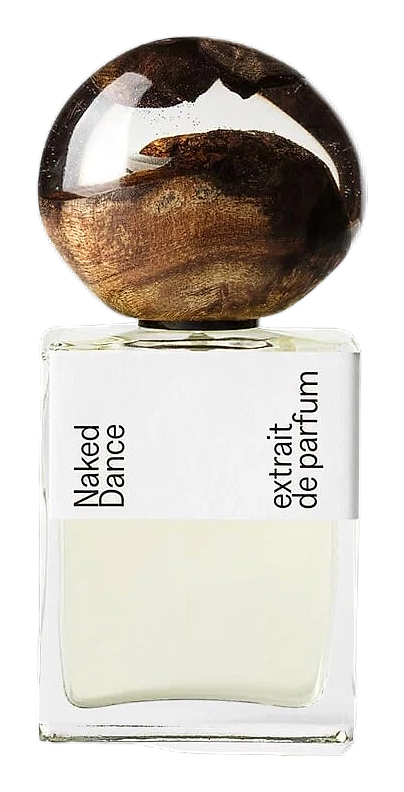
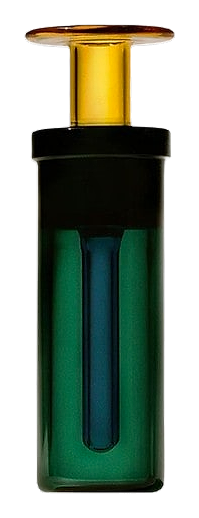
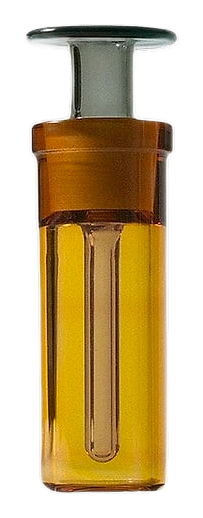
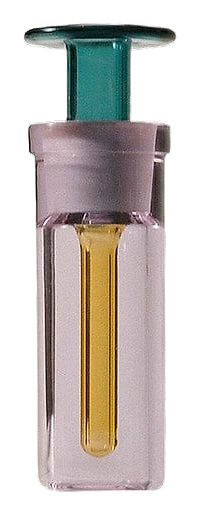
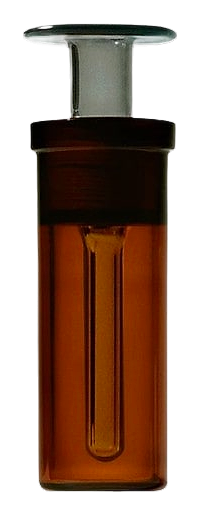
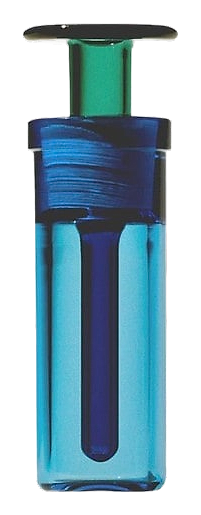
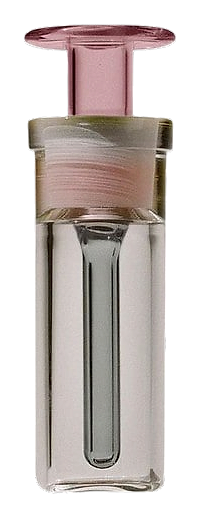
Ferragus draws on the darker side of Parisian history through its name and its connection to the legend of Madame de Brinvilliers. That reference gives the fragrance a mood of secrecy and historical intrigue, while its composition translates that atmosphere into an olfactory language built from petrichor, black pepper, saffron, ambrette, ylang-ylang, patchouli, rose and sandalwood. The cast glycerin shell bottle, designed by Jochen Holz, adds another distinctive element to the presentation.
The House
Arpa StudiosArpa Studios is a Parisian fragrance house founded in 2020 by perfumer Barnabé Fillion. The studio positions itself as a laboratory of sensory exploration, where scents become catalysts for synesthetic experiences rather than mere olfactory products. Fillion, a French native who spent years as a collaborator with Aesop and worked alongside artists such as Anicka Yi, established the house to explore the boundaries where fragrance intersects with other senses. The name derives from the harp, chosen for its associations with subtle vibration and invisible emotion. All seven of Arpa Studios' debut fragrances launched in 2023, spanning compositions named Ferragus, Arco Spettro, Fosforo, Recedere, Hade, Manta, and Matter. The house operates without an in-house perfumer, instead enlisting a network of creative collaborators to shape its olfactory research projects.
The Creator
Barnabé FillionFillion favors natural extracts that retain their original character, often pairing a single flower with an unexpected mineral or resin. He builds his compositions layer by layer, allowing each note to settle before adding the next, a method he likens to developing a photograp…