The Story
Why it exists.
The beginning
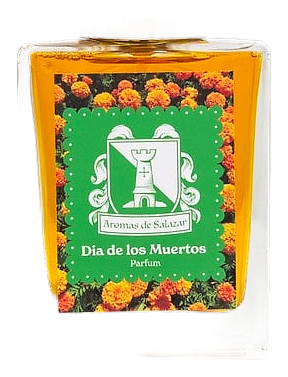
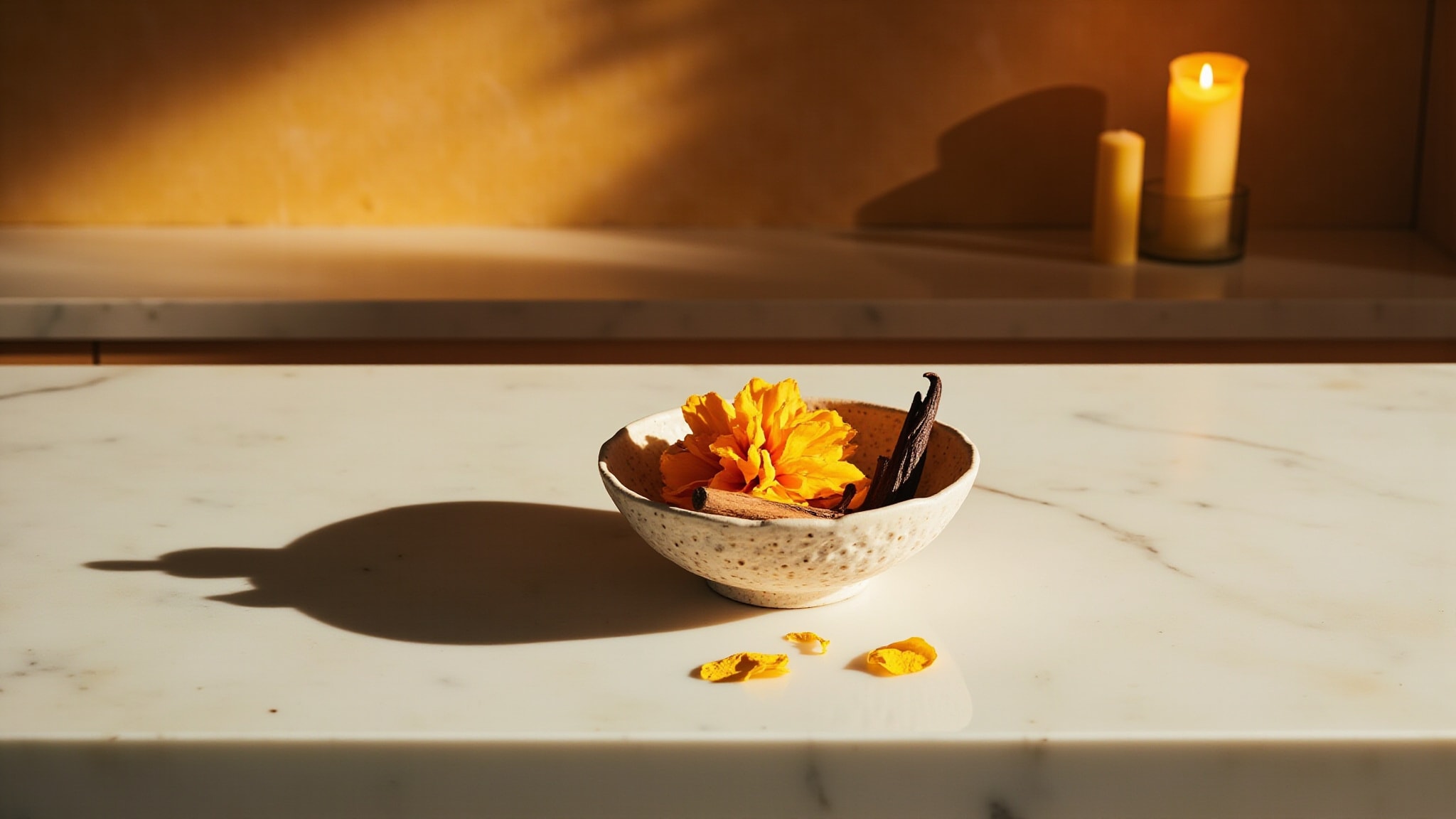
Michael Salazar built Aromas de Salazar with a personal, specific vision. Dia de los Muertos is a direct expression of that approach. The fragrance takes its name from a holiday rich with visual language: marigold ofrendas, calavera faces, candles in graveyards. Salazar translated that into scent, not through literal imagery but through spirit. Bright fruit and spice open the composition, florals occupy the heart with golden warmth, and the base settles into warmth, leather, and creamy sweetness. The horchata reference threads through the composition, bringing sweetness that reads as cultural memory and comfort, the element that makes a celebration feel like home.
The composition combines gourmand warmth and floral solemnity. Horchata and marigold coexist here, the sweet and the golden in dialogue. The Bulgarian rose in the heart does significant work, what prevents the florals from reading purely celebratory. There is a slow unfurling to the scent, something that mirrors the actual rhythm of the holiday: joyful on the surface, attentive underneath.
The evolution
The opening begins with grapefruit and bergamot brightening the air, then passion fruit arrives with its tropical sweetness intact. The cinnamon moves in alongside the fruit, warming everything before the top notes fully settle. The florals take over as the fragrance develops. Frangipani and marigold share space with Bulgarian rose, and this is where the fragrance earns its name. The transition from bright to soft happens gradually. The horchata appears in the base, mixing with vanilla absolute. Sugar amplifies everything. Leather and Haitian vetiver are present, giving weight. The musk and amber hold through the end, keeping the fragrance warm and close to the skin.
Cultural impact
Dia de los Muertos sits within a corner of the niche fragrance world, fragrances rooted in cultural celebration rather than Western perfumery conventions. It exists alongside releases from houses like Imaginary Authors and Dame Perfumery that use place, memory, and narrative as structural ingredients. The fragrance has drawn a range of responses in the niche community: enthusiasts who connect with its horchata-forward warmth and its bold engagement with the holiday's spirit, and others who find the sweetness and the cultural reference either too specific or not specific enough. What isn't in dispute is that it is unmistakable.