Horchata
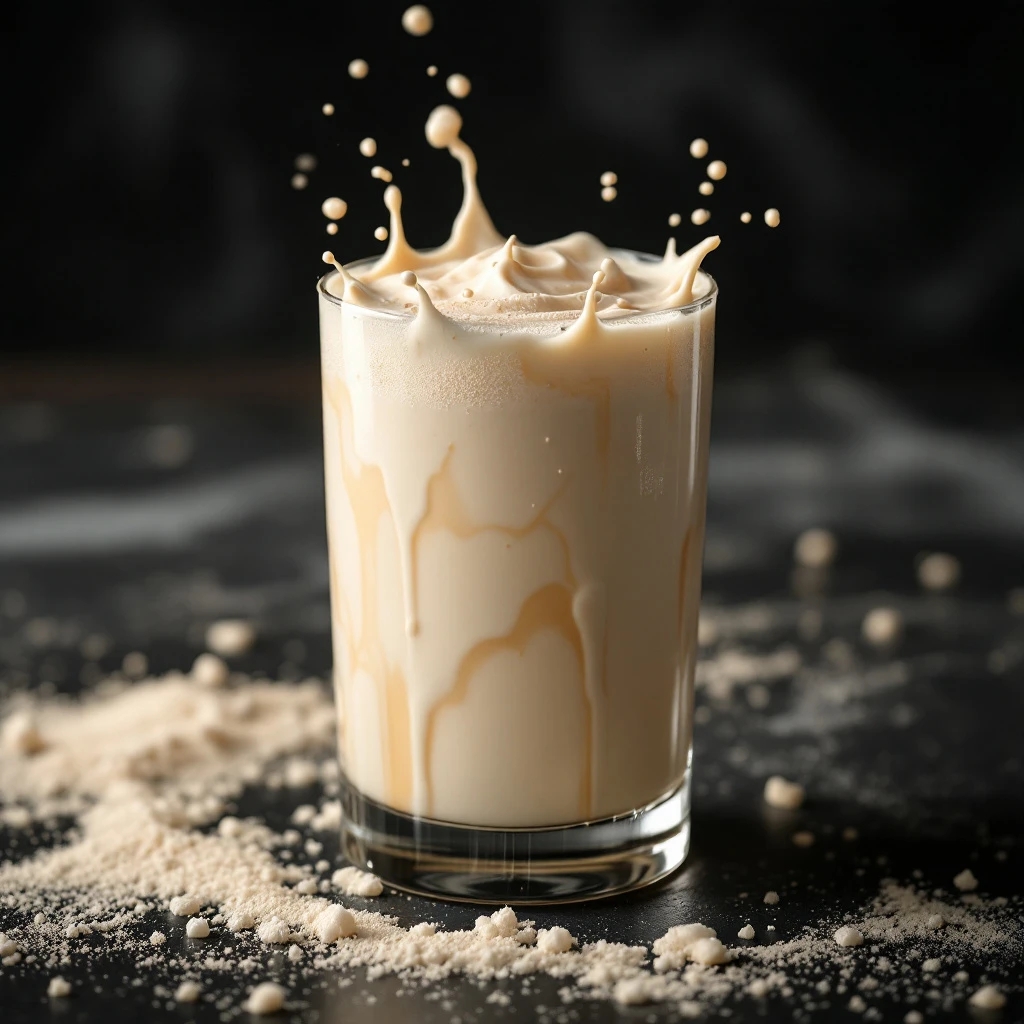
A creamy, spiced milk drink originating in Valencia, Spain. In perfumery, horchata inspires comforting notes of rice milk, vanilla, and warm spice that evoke nostalgic comfort and edible warmth.
Character
How it smells
Comfort in every note
Traditional Spanish horchata uses tiger nuts, not rice. The name comes from the Latin hordeatus, meaning made with barley.


Origin
Spain
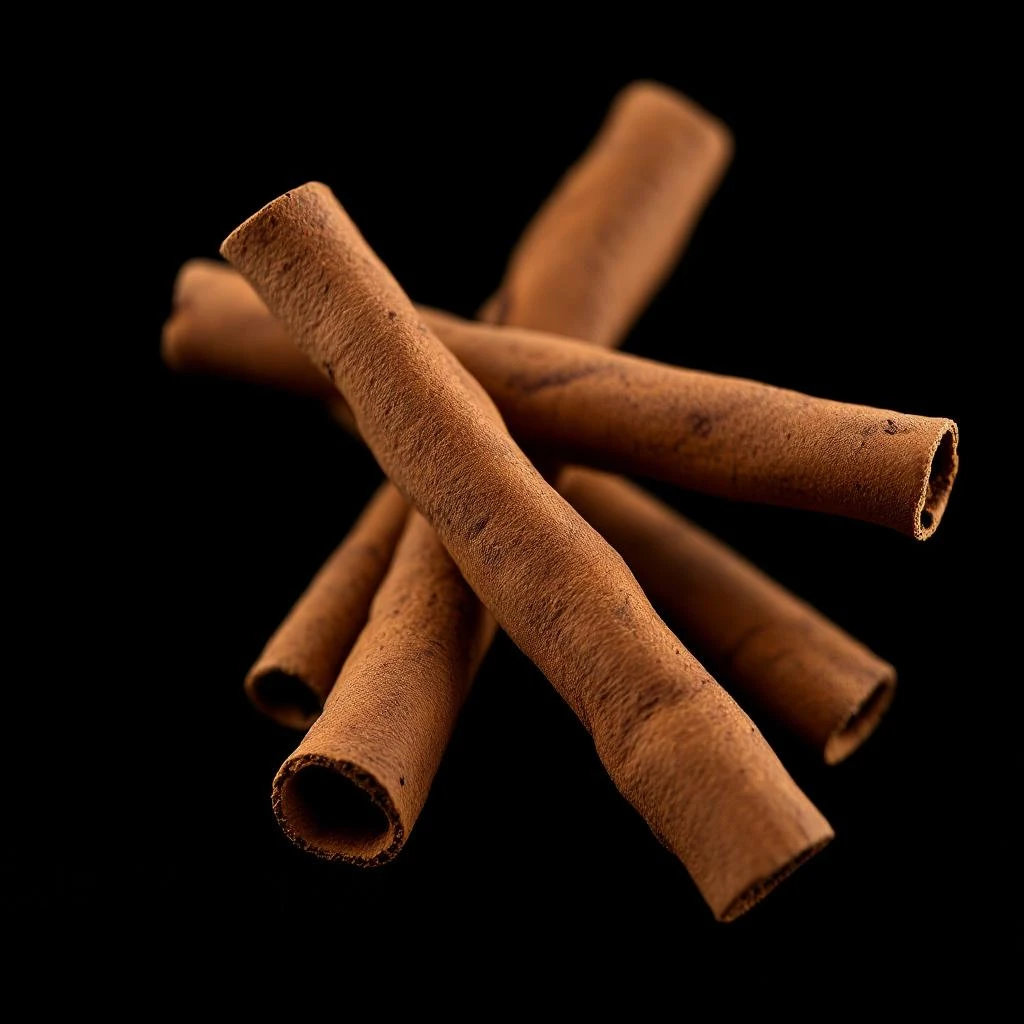
Horchata traces its roots to 8th-century Valencia, where Arab physicians first prepared tiger nut milk as a medicinal drink. The beverage evolved over centuries into a beloved refreshment across Spain and Latin America. Mexican horchata emerged during the colonial period, featuring rice and cinnamon as accessible alternatives to tiger nuts.
The drink crossed into perfumery relatively recently, as gourmand fragrances gained popularity in the late 20th century. Perfumers discovered horchata's warm, creamy character translated beautifully into fragrance, offering a comforting, nostalgic quality that resonates with wearers seeking edible, cozy scents.
Wears it best
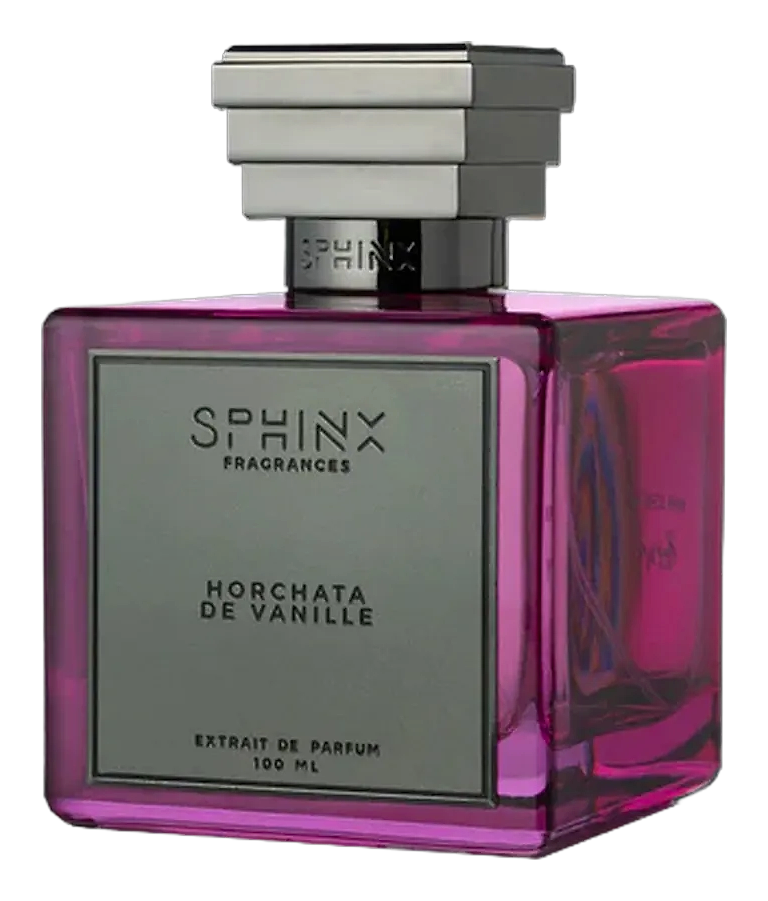
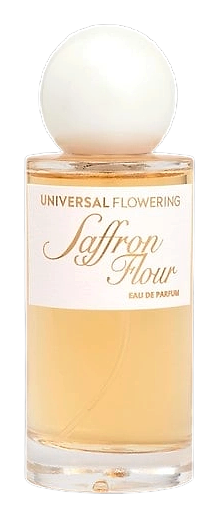
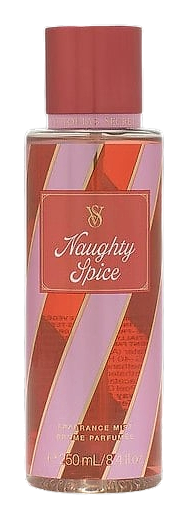
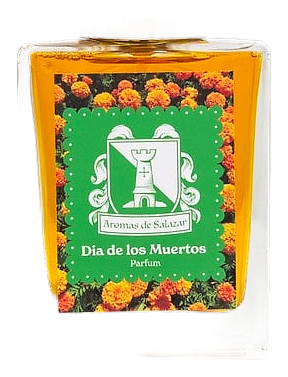
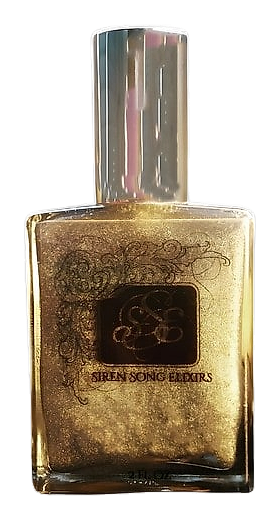
Fragrances featuring Horchata
Brands
Brands known for Horchata
Good to know
Questions, answered
The essentials on Horchata in perfumery: how it smells, where it comes from, and how it behaves on skin.
What does horchata smell like in perfumery?
Horchata accords smell like creamy rice milk with vanilla sweetness and warm cinnamon spice. The effect is comfort-driven, edible, and slightly spiced, similar to sweet rice pudding or vanilla cream with a hint of spice.
Is horchata a natural fragrance ingredient?
No, horchata is not a natural ingredient extracted from a single source. Perfumers construct it as a composite accord blending materials like vanilla absolute, rice extracts, cinnamon, and creamy base notes to evoke the beverage's character.
How do perfumers create horchata notes?
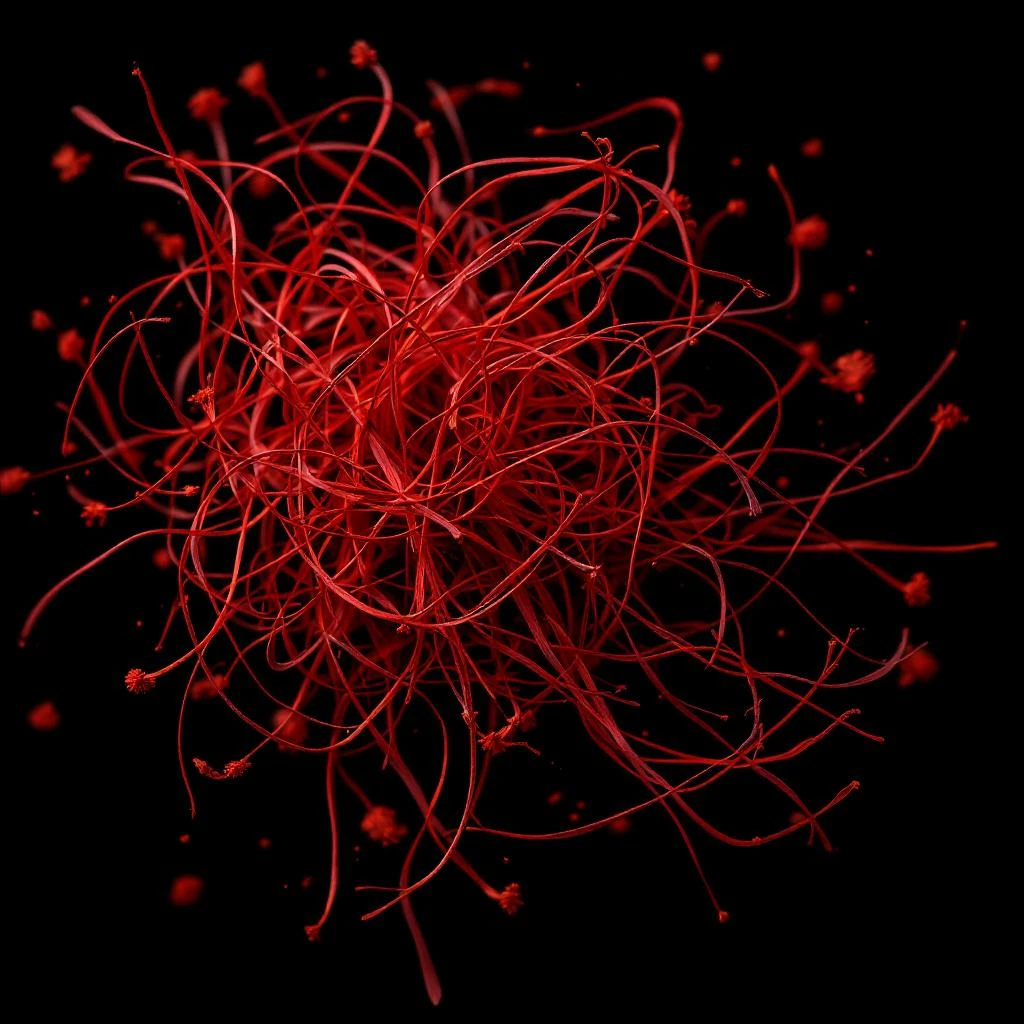
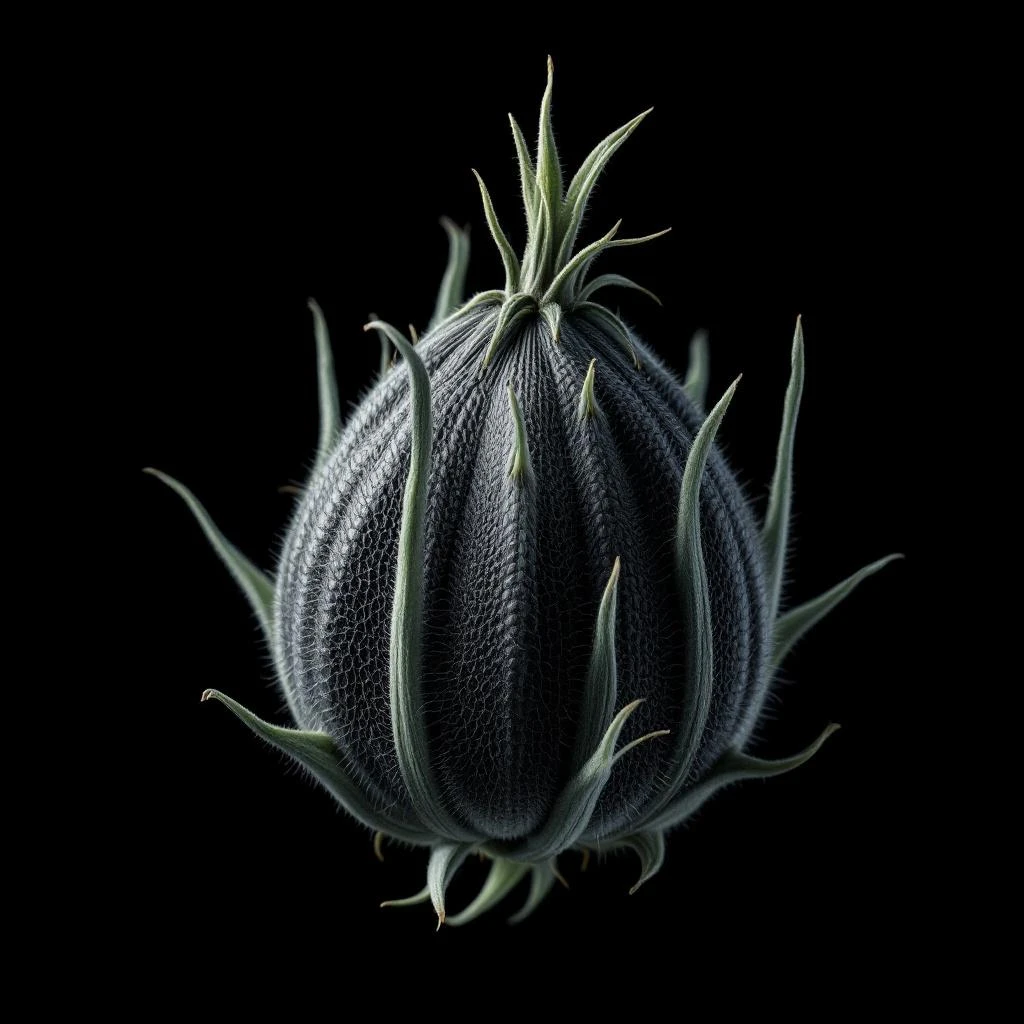
Perfumers layer complementary materials to build horchata: vanilla absolute for sweetness, rice bran absolute for grain notes, cinnamon bark oil for warm spice, and ambrette seed or tonka bean for creamy, sweet undertones. The result is a balanced, edible effect.
Where does traditional horchata originate from?
Traditional horchata comes from Valencia, Spain, where it was first prepared in the 8th century. Arab physicians made tiger nut milk as a medicinal tonic. Mexican rice-based horchata developed later during the colonial era with cinnamon additions.
What is horchata accord used for in modern perfumery?
Perfumers use horchata accord primarily in gourmand and comfort fragrances. It appears in oriental, vanilla, and food-inspired compositions where its creamy, spiced warmth creates an inviting, nostalgic effect for consumers.
Can horchata accord be achieved with synthetic materials?
Yes. While natural materials like vanilla absolute and cinnamon oil form the core, perfumers often incorporate synthetic aromachemicals to reinforce specific facets like creamy lactones, sweet vanillin notes, or rice-like qualities for consistency.
Which fragrance families use horchata notes?
Horchata appears most often in oriental, gourmand, and warm vanilla fragrances. It suits any composition seeking a cozy, edible character, particularly autumn and winter scents, as well as unisex fragrances emphasizing comfort and warmth.
Does horchata in fragrance taste like the drink?
The horchata accord in perfumery is designed for skin wear only, not consumption. While individual materials like vanilla and cinnamon have food-grade applications, the constructed accord contains varying concentrations not intended for ingestion.