The Story
Why it exists.
The beginning
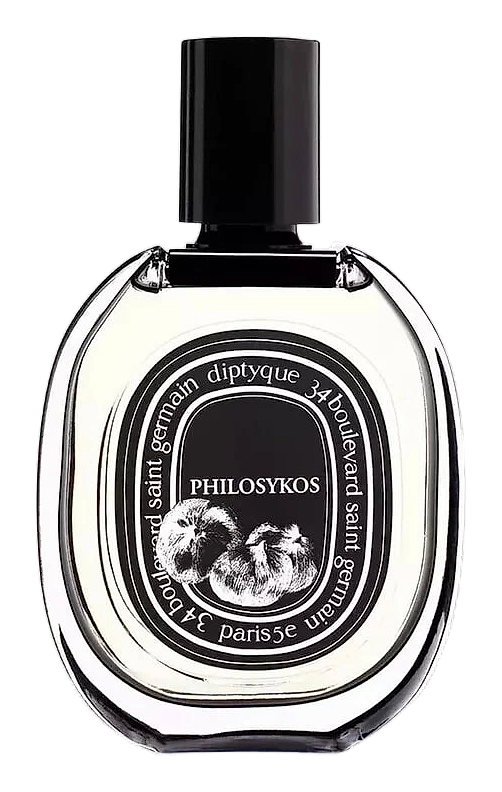
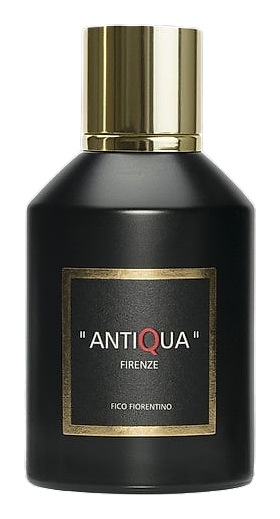
The name references the Florentine fig, though its precise botanical or geographic origins remain open to interpretation. What can be said with confidence is that this fragrance was designed to evoke something about the city of Florence itself, moving beyond superficial postcard imagery toward a more complex character. The composition is built on contrast: a bright citrus opening that arrests attention, dry white florals taking center stage, and a woody base that refuses to soften into sweetness. The overall effect is austere and precise, a fragrance that asks something of its wearer rather than simply pleasing.
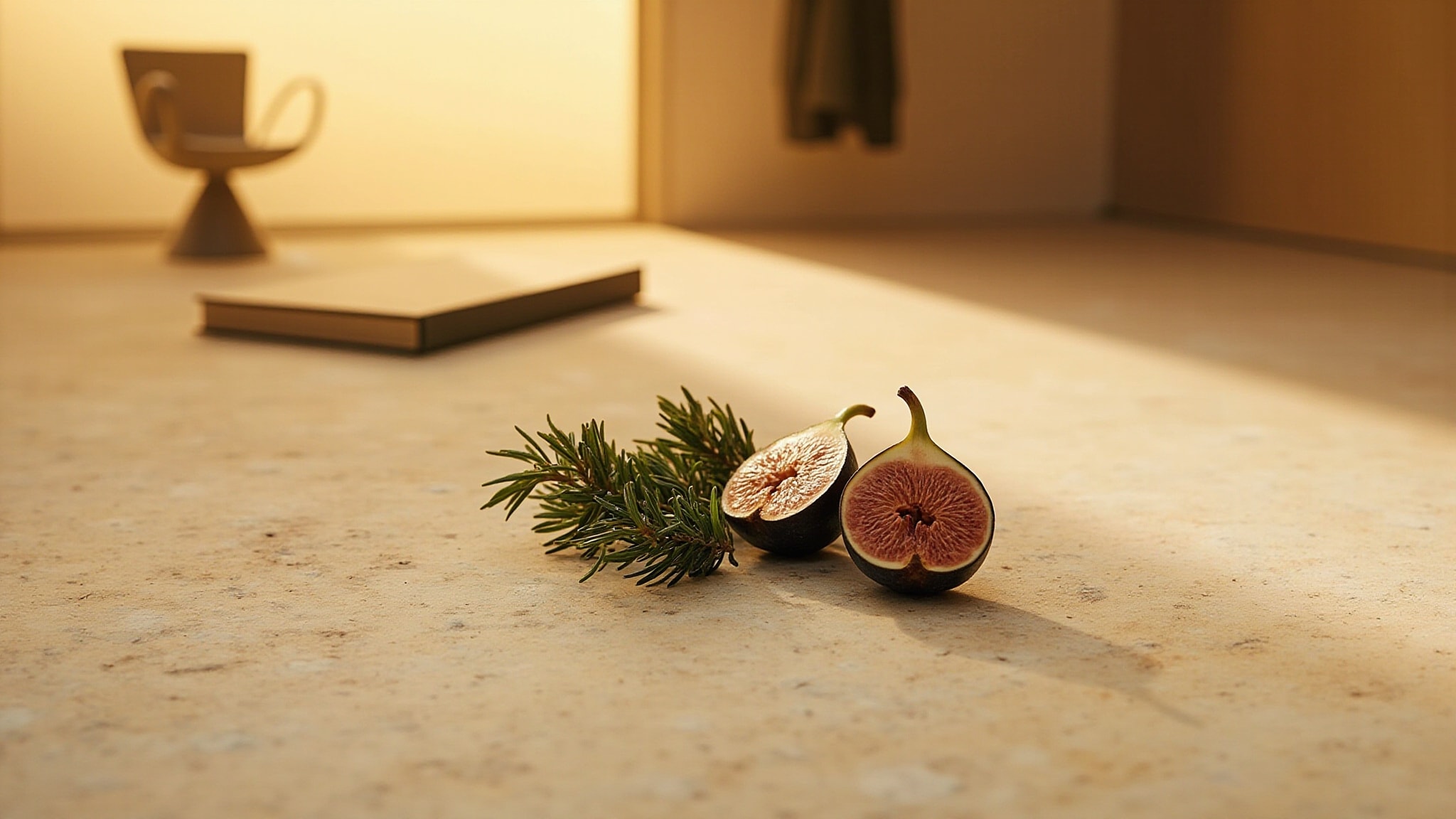
The fig is almost a metaphor here. Real fig fruit, milky, sweet, jammy, barely shows up. Instead, what you're getting is the fig tree itself: green, slightly bitter, Mediterranean. The blackcurrant and citrus open tart and assertive, almost biting. Then jasmine and orange blossom arrive dry and slightly indolic, refusing to be sweet. The cypress and cedar form a structure that keeps everything upright and precise. This is a fragrance for people who want something green and austere, not a fruit salad, not a floral bouquet.
The evolution
The opening hits bright and tart, blackcurrant and citrus in a flash of almost aggressive greenness. For a brief period the top notes are sharp, almost biting in their intensity. Then the florals arrive and everything shifts. Jasmine and orange blossom bring a warm, Mediterranean quality that softens the edges without losing the dryness. The fig whispers, if at all. The real story is in the base: cypress and cedar asserting themselves as the florals recede, musk staying close and intimate. By the end, you're left with something woody, green, and dry, a lingering presence that has its own quiet persistence on the skin. The progression feels deliberate, each phase distinct yet connected to what came before, building toward a conclusion that feels both inevitable and earned.
Cultural impact
Fico Fiorentino occupies a specific space in the landscape of green, dry Mediterranean scents. It is not aquatic, not fruity-sweet, not heavy oriental. It stands apart from sweeter fig fragrances that emphasize the milk and cream of the fruit, choosing instead to foreground the green and bitter qualities of the fig tree. The fragrance presents an alternative approach to Mediterranean-inspired perfumery, one that prioritizes austerity and precision over immediate appeal. It is a scent that appeals to those who appreciate complexity and restraint, who want a fragrance that reveals itself gradually rather than making an immediate statement.